Ortho and Neuro Physiotherapy: A Complete Guide to Conditions, Treatment and Home Recovery
Orthopaedic physiotherapy treats bones, joints and muscles; neurological physiotherapy retrains movement after brain, spinal cord or nerve damage. Here is how each works, where they overlap, and what to expect from home care.
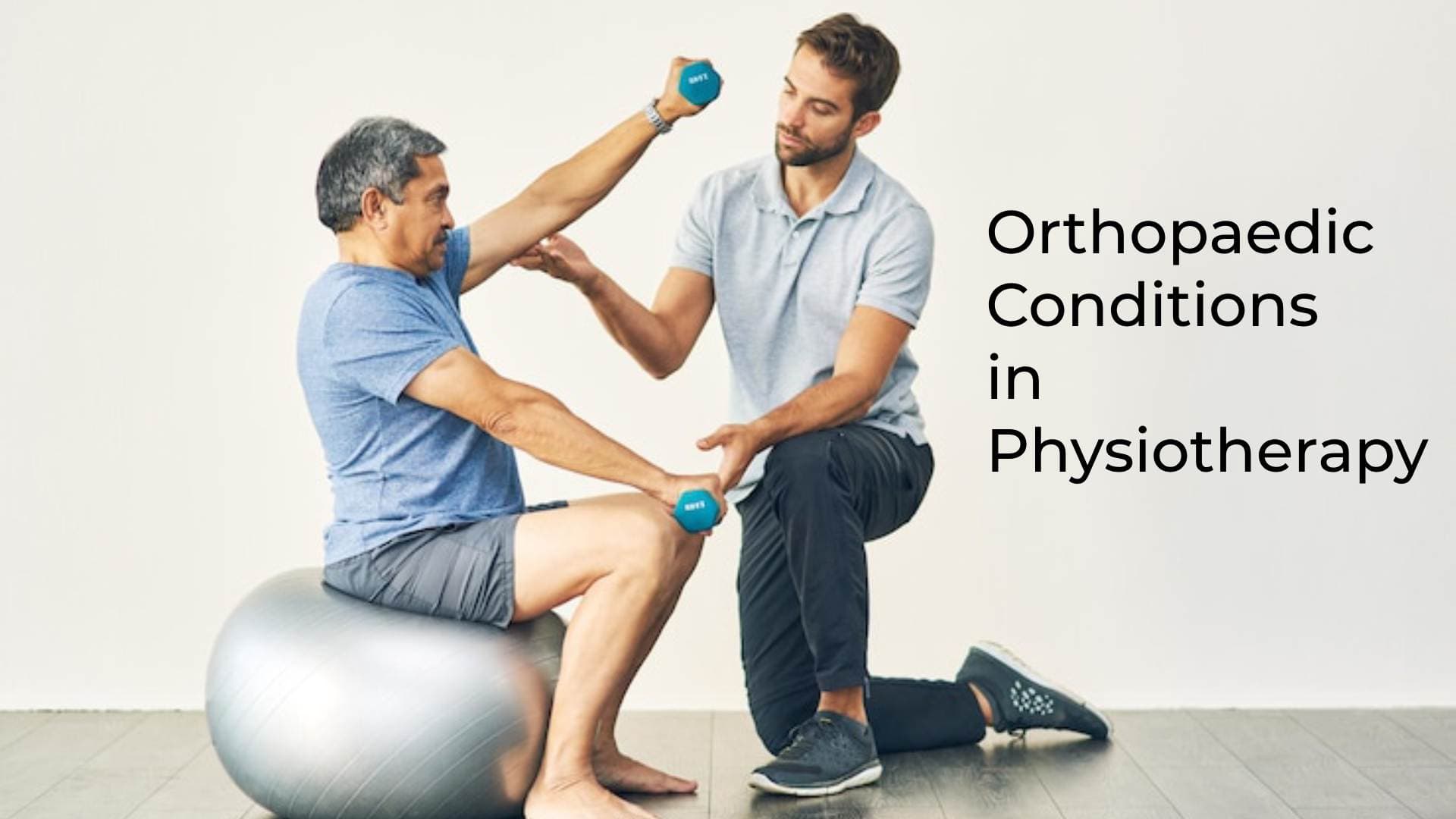
Ortho and neuro physiotherapy are two specialised branches of rehabilitation. Orthopaedic physiotherapy treats problems of bones, joints, muscles, ligaments and tendons. Neurological physiotherapy treats movement problems caused by damage to the brain, spinal cord or nerves. Many people need both, and a good treatment plan often blends the two.
If you are searching for this because you or a family member has had a fracture, a joint replacement, a stroke or a nerve problem, this guide will help you understand what each type of care involves, what the research says, and how to start recovery safely at home.
Key Takeaways
- Orthopaedic physiotherapy focuses on the musculoskeletal system. Neuro physiotherapy focuses on the nervous system and how it controls movement.
- The two overlap often, for example in stroke patients with shoulder pain or Parkinson's patients who fall and fracture a bone.
- Research supports exercise-based rehabilitation for both groups, though the size of the benefit varies by condition.
- Home physiotherapy lets treatment happen where daily life happens, which suits patients who find travel difficult.
- Sudden weakness, speech trouble or loss of bladder control are emergencies and need hospital care first.
What Is Ortho and Neuro Physiotherapy?
Physiotherapy is not one single skill. It is a family of specialities. The two most requested are orthopaedic and neurological care.
Musculoskeletal physiotherapy is the field that relates to disorders of the musculoskeletal system. In hospitals, this covers planned surgery such as knee and hip replacement as well as trauma care for fractures. Neurological physiotherapy involves treating people with movement and function disorders that originate in the nervous and neuromuscular system.
In simple terms, an orthopaedic physiotherapist asks, "What is wrong with the joint, muscle or bone, and how do we restore it?" A neuro physiotherapist asks, "Why is the brain or nerve signal not producing smooth, safe movement, and how do we retrain it?"
Ortho vs Neuro Physiotherapy at a Glance
| Feature | Orthopaedic Physiotherapy | Neurological Physiotherapy |
|---|---|---|
| Main target | Bones, joints, muscles, ligaments, tendons | Brain, spinal cord, nerves |
| Typical conditions | Fractures, ACL tears, back pain, arthritis, post-surgery | Stroke, Parkinson's, spinal cord injury, Guillain-Barre syndrome, cerebral palsy |
| Core goal | Reduce pain, restore strength and range of motion | Restore control, balance, coordination and independence |
| Common methods | Manual therapy, strengthening, mobilisation, taping, electrotherapy | Task-specific training, gait and balance training, tone management, motor relearning |
| Recovery pattern | Often predictable, tied to tissue healing | Variable, tied to nerve recovery and neuroplasticity |
| Typical timeframe | Weeks to months | Months to years, with long-term maintenance |
Why Rehabilitation Matters So Much
The need is large. The World Health Organization estimates that about 2.4 billion people live with conditions that could benefit from rehabilitation, a number that has risen by roughly two thirds over three decades. The main drivers are ageing, long-term illness and injury.
Musculoskeletal problems are a big part of this. According to PAHO, around 1.71 billion people have musculoskeletal conditions, and low back pain is the single leading cause of disability in 160 countries. Neurological disorders and stroke add to that burden, which is why both branches of physiotherapy are in demand.
Orthopaedic Physiotherapy: Conditions and Treatment
Orthopaedic physiotherapy helps people recover from injuries and surgeries of the musculoskeletal system, and from long-term wear-and-tear conditions.
Common conditions treated
- Low back pain, neck pain and sciatica
- Knee osteoarthritis and joint stiffness
- Fractures, ligament tears (such as ACL) and meniscus injuries
- Frozen shoulder, rotator cuff problems and tennis elbow
- Recovery after knee, hip or shoulder replacement
- Muscle strains, sprains and tendon injuries
What treatment usually includes
- Assessment: Pain mapping, posture and movement analysis, strength and range of motion testing.
- Pain control: Manual therapy, soft tissue release, taping and electrotherapy where suitable.
- Progressive strengthening: Exercises that rebuild muscle support around the joint.
- Functional training: Walking, stair climbing, sitting to standing and return-to-work or return-to-sport tasks.
- Self-management: A home exercise plan, ergonomic advice and flare-up strategies.
What the research says about orthopaedic rehab
Knee osteoarthritis is a good example. A Cochrane review of 139 trials concluded that exercise probably improves pain, function and quality of life in the short term, although the real-world size of these benefits is uncertain. The same review supports exercise as a first-line treatment while warning against overstating its effects.
That honest picture matters. Exercise helps, but results depend on the right dose, correct technique and consistency, which is why a supervised, personalised programme tends to beat a generic sheet of exercises. Athletes and active adults recovering from ligament injuries may also benefit from sports physiotherapy, and anyone coming off an operating table should look at post surgical physiotherapy.
Neurological Physiotherapy: Conditions and Treatment
Neurological physiotherapy supports people whose nervous system injury has affected movement, balance, strength, sensation or coordination.
Common conditions treated
- Stroke (hemiplegia, arm weakness, walking difficulty)
- Parkinson's disease
- Spinal cord injury
- Peripheral neuropathy and Guillain-Barre syndrome
- Multiple sclerosis
- Bell's palsy and facial nerve problems
- Cerebral palsy and developmental delay (see pediatric physiotherapy)
- Birth-related nerve injuries such as Erb's palsy
- Brain injury and post-brain-surgery weakness
Core approaches
- Task-specific training: Repeating real-life movements such as reaching, standing up and walking, because the brain relearns what it practises.
- Gait and balance training: Rebuilding safe walking patterns and reducing fall risk.
- Tone and spasticity management: Stretching, positioning and handling techniques to prevent stiffness and contractures.
- Facilitation methods: Techniques such as PNF and constraint-induced movement therapy, which are used in neuro rehab case work. In a published case of a child with ataxic cerebral palsy, Rood's approach, constraint-induced movement therapy and PNF were combined as goal-oriented strategies.
- Technology support: Functional electrical stimulation and, in some centres, robotics.
You can read more about the science in our guide to advanced neuro physiotherapy techniques.
What the research says about neuro rehab
Evidence favours active, repetitive practice. A systematic review of stroke rehabilitation found that task-oriented training showed benefits for functional outcomes and generally proved more effective than other approaches. This is why modern neuro physiotherapy leans on goal-based, functional exercise rather than passive treatment alone.
Where Ortho and Neuro Physiotherapy Overlap
Most guides treat these as two separate boxes. In real life, the boundary is blurry. Researchers writing on neuro-orthopaedics note that teamwork between physician, physiotherapist and nurse is the base for success, though evidence-based research in this area is still limited. Here are the situations where we see both needs at once.
- Post-stroke shoulder pain. A weak, drooping arm can strain the shoulder joint. The neuro side restores arm control. The ortho side protects the joint through positioning, gentle mobilisation and strengthening.
- Foot drop and ankle problems. Nerve weakness causes toe dragging, which leads to trips, ankle sprains and compensatory knee or hip pain. Treatment combines nerve re-education with joint and muscle care.
- Parkinson's disease and falls. Stiffness and balance loss raise fracture risk. After a hip or wrist fracture, the patient needs ortho rehab for healing and neuro-based balance and gait training to prevent the next fall. Seniors may also benefit from geriatric physiotherapy.
- Spinal conditions. A slipped disc pressing on a nerve root causes back pain (ortho) and leg weakness or numbness (neuro) at the same time.
- Long bed rest after neurological illness. Prolonged immobility leads to contractures, muscle wasting and stiff joints, which then need musculoskeletal care.
- Scarring after surgery. Tight scars and adhesions can limit movement in anyone, and a neuro patient who has had an operation is no exception. Our article on adhesion in physiotherapy explains how these are treated.
The practical lesson: ask your physiotherapist whether your plan covers both sides. A good assessment will identify which problems come from the joint and which come from the nervous system.
Benefits of Home-Based Ortho and Neuro Physiotherapy
Going to a clinic three times a week is hard after a stroke, a fracture or surgery. Home physiotherapy removes travel, waiting and the physical effort of getting there.
There is good evidence for home-based neuro care. A Cochrane review of 14 studies with 1,617 participants found that people who had a recent stroke were more independent in daily personal activities and more likely to maintain these abilities if they received therapy services at home.
Home care also lets the therapist train you in the exact setting where you struggle: your own bathroom, bed, stairs and kitchen. A scoping review noted that home-based rehab has real potential for task-specific and context-specific training in a familiar, functionally rich setting. The same review cautioned that many programmes still fall short on training dosage, so frequency and intensity are worth asking about.
Other practical benefits
- Family members can watch, learn and help with exercises.
- The therapist can recommend home changes such as grab bars, chair height and non-slip mats.
- Elderly and bed-bound patients avoid risky transfers into a car.
- Sessions fit around medication, meals and rest times.
Honest limits. Home care is not ideal if you need heavy hospital equipment, urgent imaging or specialist medical monitoring. A responsible provider will tell you when to refer you onward.
What Happens in a First Session
Knowing what to expect reduces anxiety. A typical first visit looks like this:
- History: Your diagnosis, scans, surgery notes, medicines, falls history and goals.
- Examination: For ortho cases, pain, range of motion, strength and special tests. For neuro cases, muscle tone, reflexes, sensation, balance, coordination and walking.
- Outcome measures: Simple scores or timed tests that track progress over weeks.
- Goal setting: Goals such as "walk to the park" or "lift a cup with the left hand" are more useful than vague targets.
- Starting treatment: Gentle techniques and a short home programme.
- Safety advice: What to do, what to avoid and when to call.
How Long Does Recovery Take?
There is no single answer, and anyone who promises an exact date is guessing. These factors shape your timeline:
- Type and severity of the problem: A mild sprain heals far faster than a major fracture or a large stroke.
- Time since onset: Starting early usually helps, but progress is still possible later.
- Age and general health: Diabetes, osteoporosis and heart disease can slow recovery.
- Consistency: Skipped sessions and exercises are the most common reason for slow progress.
- Support at home: Encouragement, nutrition and a safe environment matter.
As a rough guide, many orthopaedic recoveries are measured in weeks to a few months, while neurological recovery often unfolds over months and may continue as long-term maintenance. Your physiotherapist should review your goals every few weeks and adjust the plan.
Warning Signs: When to Seek Emergency Care First
Physiotherapy is not a substitute for emergency medicine. Go to the nearest hospital immediately if you notice:
- Sudden weakness or numbness on one side, a drooping face, slurred speech or sudden confusion
- Sudden severe headache or loss of vision
- Loss of bladder or bowel control, or numbness in the groin area, along with back pain
- A badly swollen, hot, red calf with chest pain or breathlessness
- A suspected fracture after a fall
- Fever with a very hot, swollen joint
How to Choose the Right Ortho and Neuro Physiotherapist
Use this checklist when comparing providers:
- Qualifications: At least a Bachelor of Physiotherapy, with postgraduate training in the relevant speciality for complex cases.
- Experience with your condition: Ask how many stroke, Parkinson's or post-surgical patients they have treated.
- Assessment first: Be cautious of anyone who starts treatment without examining you or reading your reports.
- Clear goals and measures: You should know what you are working towards and how progress is tracked.
- Active treatment: Passive machines alone rarely produce lasting results. Look for exercise-based, functional care.
- Communication with your doctor: Good therapists coordinate with your surgeon or neurologist.
- Transparency: Clear session plans, invoices and honest talk about limits.
You can meet the clinical team on our About Us page.
Ortho and Neuro Home Physiotherapy in Bangalore
Bangalore's traffic, long commutes and busy lifestyles make regular clinic visits hard, especially for stroke survivors, seniors and people recovering from surgery. Physio At Your Doorstep brings orthopaedic and neurological physiotherapy to your home, office or any location you choose across the city.
Our qualified physiotherapists treat conditions such as stroke, Parkinson's disease, nerve injuries, back and neck pain, knee and hip problems, fractures and post-operative recovery. We serve 40+ areas, including Koramangala, HSR Layout, Indiranagar, Whitefield, JP Nagar, BTM Layout, Jayanagar, Bellandur, Marathahalli and Electronic City. You can check the full list on our locations page.
How it works is simple:
- Call or WhatsApp +91 82337 87737 and describe the problem.
- We match you with the physiotherapist best suited to your condition.
- The therapist visits at a time that suits you and begins your recovery at home.
We are available 24x7, including weekends, and can often arrange same-day visits depending on therapist availability in your area. Ready to begin? Book an appointment or contact us today.
Frequently Asked Questions
What is the difference between ortho and neuro physiotherapy?
Ortho physiotherapy treats the musculoskeletal system: bones, joints, muscles, ligaments and tendons. Neuro physiotherapy treats movement problems caused by damage to the brain, spinal cord or nerves. Orthopaedic care focuses on tissue healing and strength. Neurological care focuses on retraining control, balance and coordination.
Which conditions need neuro physiotherapy?
Common ones include stroke, Parkinson's disease, spinal cord injury, multiple sclerosis, Guillain-Barre syndrome, peripheral neuropathy, Bell's palsy, cerebral palsy and brain injury. Anyone with new weakness, poor balance, tremor or loss of coordination after a nervous system problem should be assessed.
Can one physiotherapist handle both ortho and neuro problems?
Often yes, especially when the problems overlap, such as shoulder pain after stroke. For complex or severe cases, a team approach works best, with a physiotherapist experienced in both areas coordinating with your doctor.
Does physiotherapy really work after a stroke?
Research supports it. Task-oriented, repeated practice is linked with better functional outcomes, and Cochrane evidence shows that home-based therapy after stroke improves independence in daily activities. Results vary with stroke severity, timing and consistency, so goals should be realistic and reviewed regularly.
Is home physiotherapy as effective as clinic physiotherapy?
For many conditions, yes, provided the treatment is skilled, structured and delivered at enough intensity. Home care has the added benefit of practising real tasks in your actual living space. Patients needing specialist equipment or medical monitoring may still need a clinic or hospital stage.
How many sessions will I need?
It depends on your diagnosis, severity and goals. A simple sprain may need a few sessions. Post-surgical rehab and neurological conditions usually need longer programmes. Your therapist should give an estimate after the first assessment and update it as you progress.
Is physiotherapy painful?
Treatment should not be unbearable. Some stretching and strengthening can cause mild discomfort or muscle soreness, but sharp or worsening pain should be reported to your therapist so the plan can be adjusted.
When should I start physiotherapy after surgery or stroke?
Usually as early as your surgeon or neurologist considers safe. Early, guided movement often helps prevent stiffness, weakness and complications, but the timing and intensity depend on your condition. Always follow medical advice.
What should I prepare before the home visit?
Keep your medical reports, scans, discharge summary and medicine list ready. Wear loose, comfortable clothes, clear a small space to move, and have a family member present if possible.
Can physiotherapy replace surgery or medicine?
Not always. Physiotherapy can reduce or sometimes avoid the need for surgery in certain conditions, but it works alongside medical treatment, not instead of it. Your doctor decides what is appropriate.
This article is for general education and does not replace medical advice. Please consult a qualified doctor or physiotherapist about your specific condition.
Resources and Further Reading
On our website
- Orthopaedic Physiotherapy
- Neurological Physiotherapy
- Post Surgical Physiotherapy
- Geriatric Physiotherapy
- Advanced Neuro Physiotherapy Techniques
- Adhesion in Physiotherapy
- Difference Between Orthopaedic and Physiotherapy
- All Blogs
External references
- World Health Organization: Rehabilitation in the context of WHO's mandate (who.int)
- PAHO: Rehabilitation and musculoskeletal health (paho.org)
- Cochrane Review: Therapy-based rehabilitation services for stroke patients at home (cochrane.org, CD002925)
- Cochrane Review: Exercise for osteoarthritis of the knee (cochrane.org, CD004376)
- Upganlawar et al. (2023). Multiple approaches of neuro-physiotherapy in a child with ataxic cerebral palsy. Cureus (PMC10774834)
- Oppici and Hestetun-Mandrup. Strengths, limitations, and way forward of home-based rehabilitation practices after stroke: a scoping review
Related Service
Orthopaedic Physiotherapy at Home
Book a certified physiotherapist for orthopaedic physiotherapy across Bangalore & Pune.
Related Articles
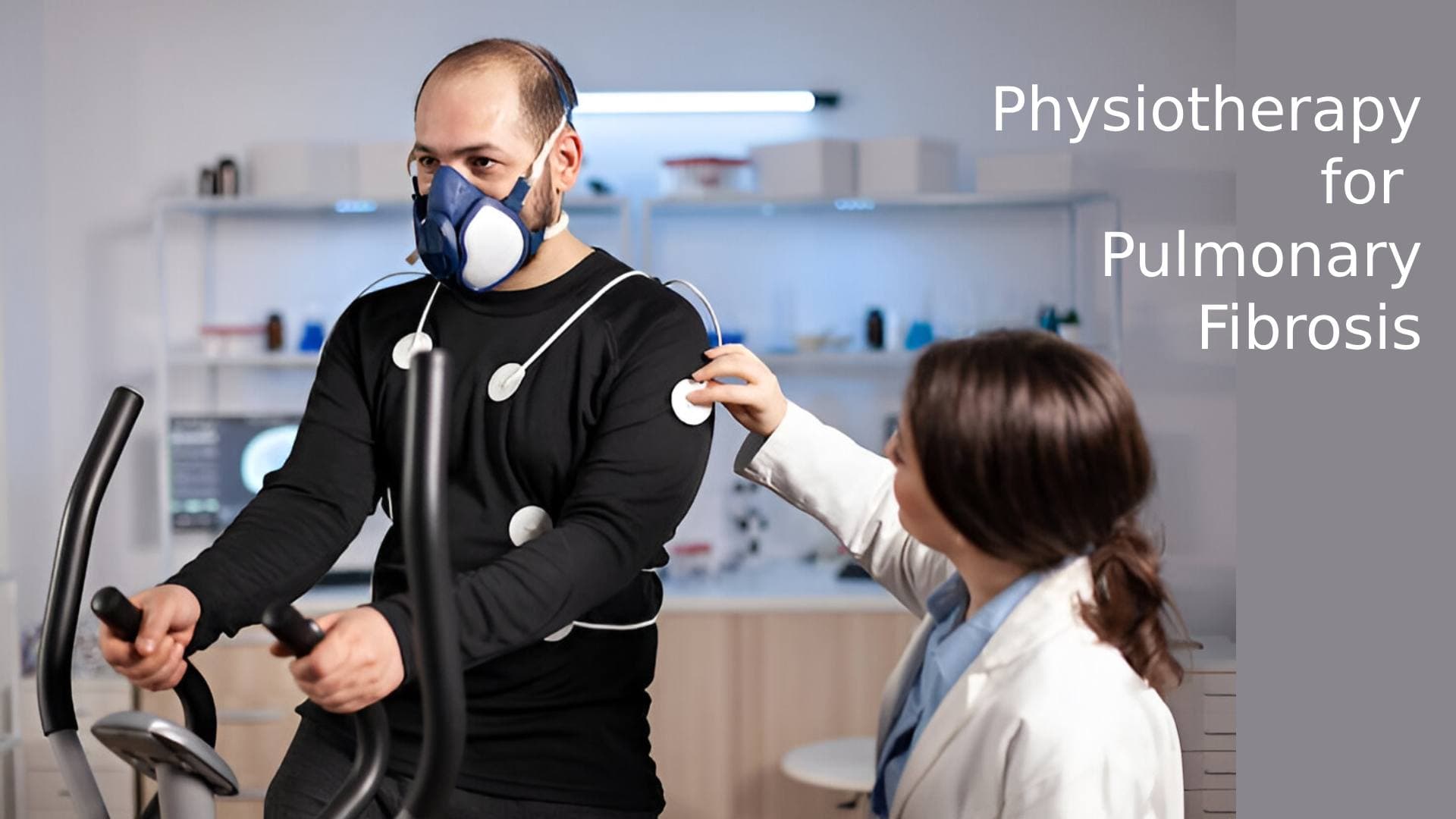
Agonist and Antagonist in Physiotherapy: A Complete, Evidence-Based Guide
Every joint moves through a pair of muscles working in opposition. Here is what agonist and antagonist muscles are, how reciprocal inhibition works, and why their balance decides pain, posture and recovery.
Read More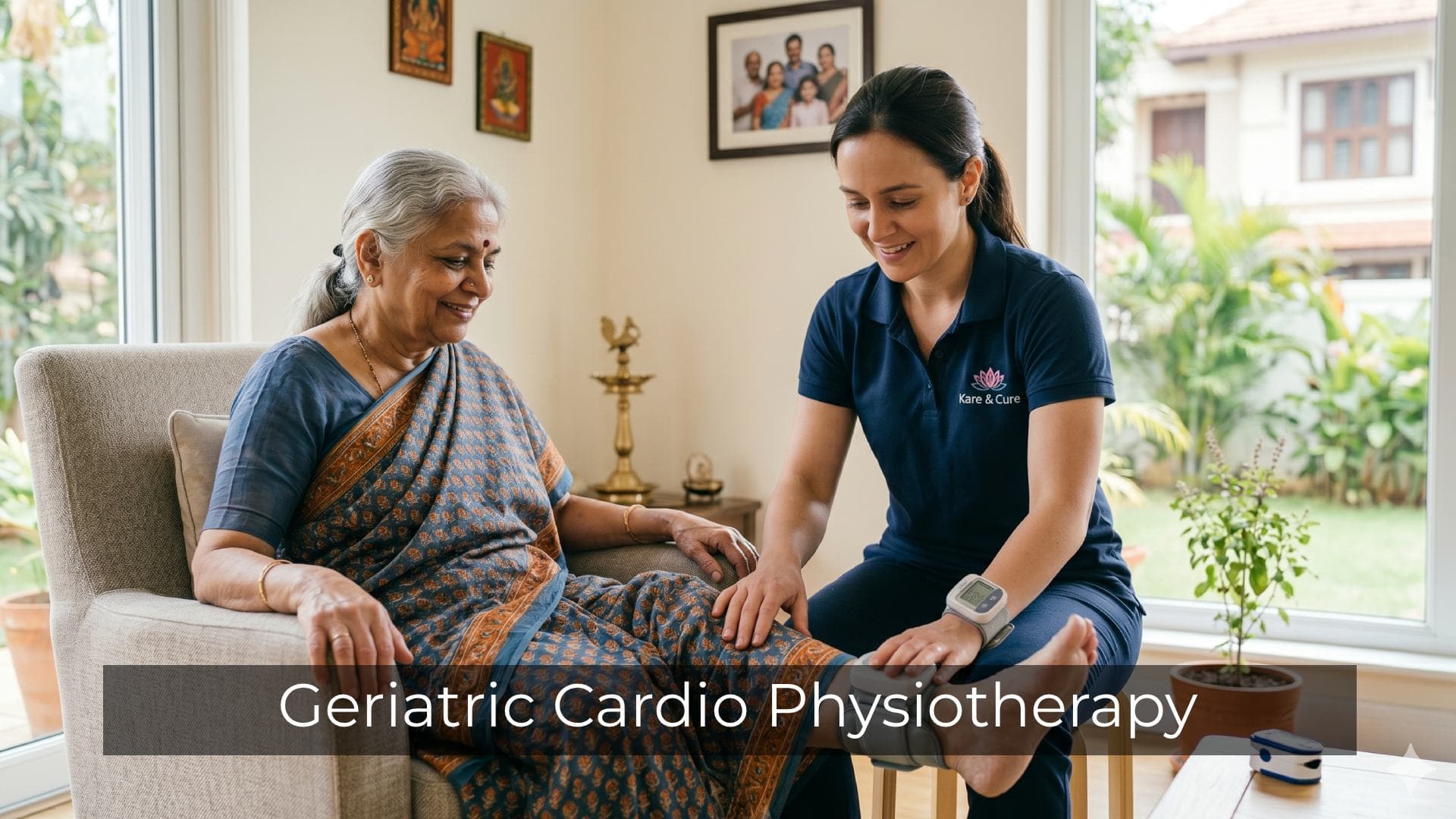
Types of Aerobic Training in Physiotherapy: A Complete Evidence-Based Guide
Rehabilitation cardio is not a gym session. Learn the eight types of aerobic training physiotherapists use, how intensity is measured, which type fits your condition, and how to progress safely.
Read More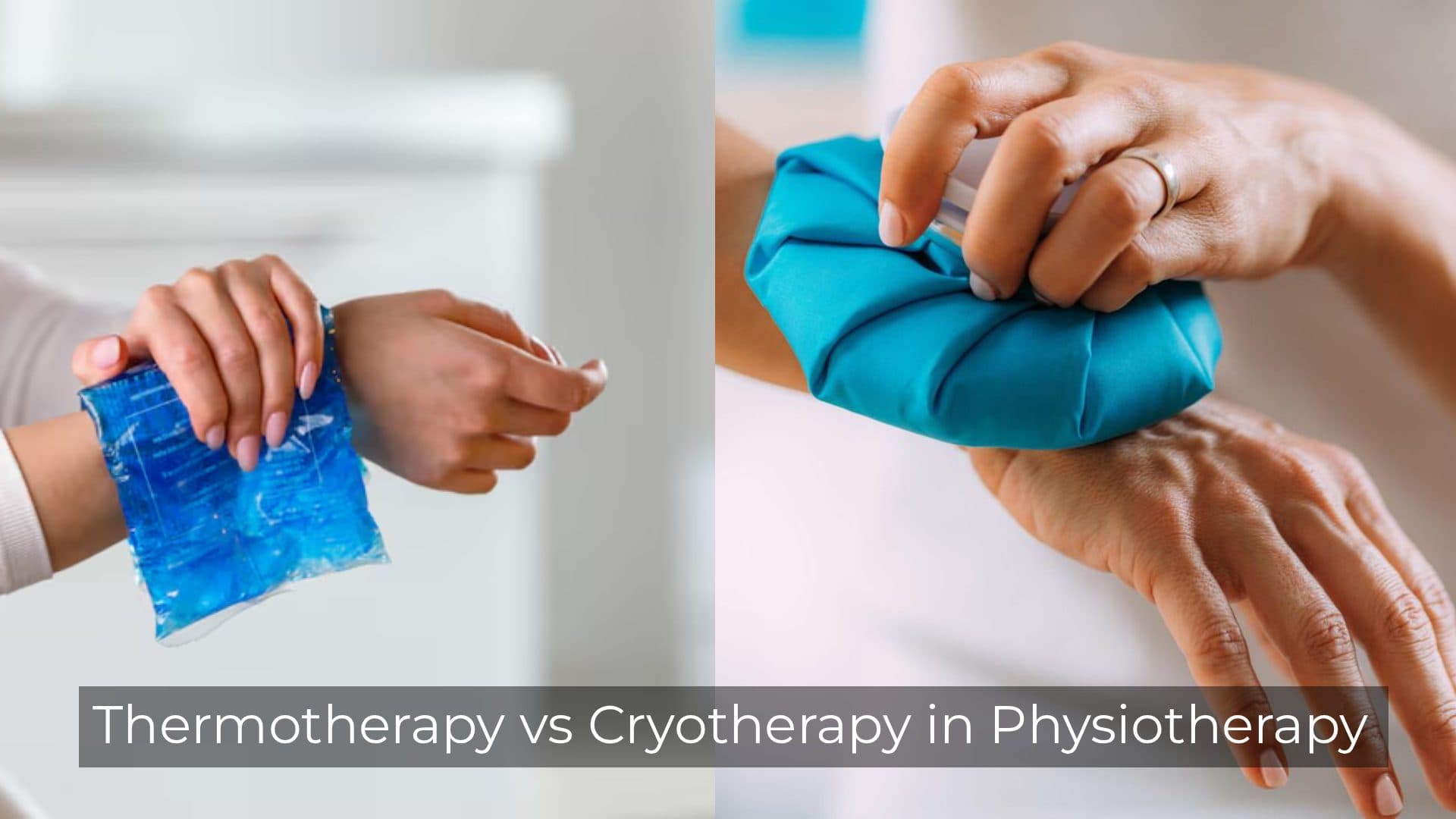
Types of Hydrotherapy in Physiotherapy: Methods, Benefits and Which One You Need
Hydrotherapy is more than soaking in warm water. Here are the main types physiotherapists use, which condition each one suits, who should avoid it, and what you can safely do at home.
Read MoreNeed Professional Help?
Our expert physiotherapists are here to help you recover and stay healthy.