Types of Aerobic Training in Physiotherapy: A Complete Evidence-Based Guide
Rehabilitation cardio is not a gym session. Learn the eight types of aerobic training physiotherapists use, how intensity is measured, which type fits your condition, and how to progress safely.
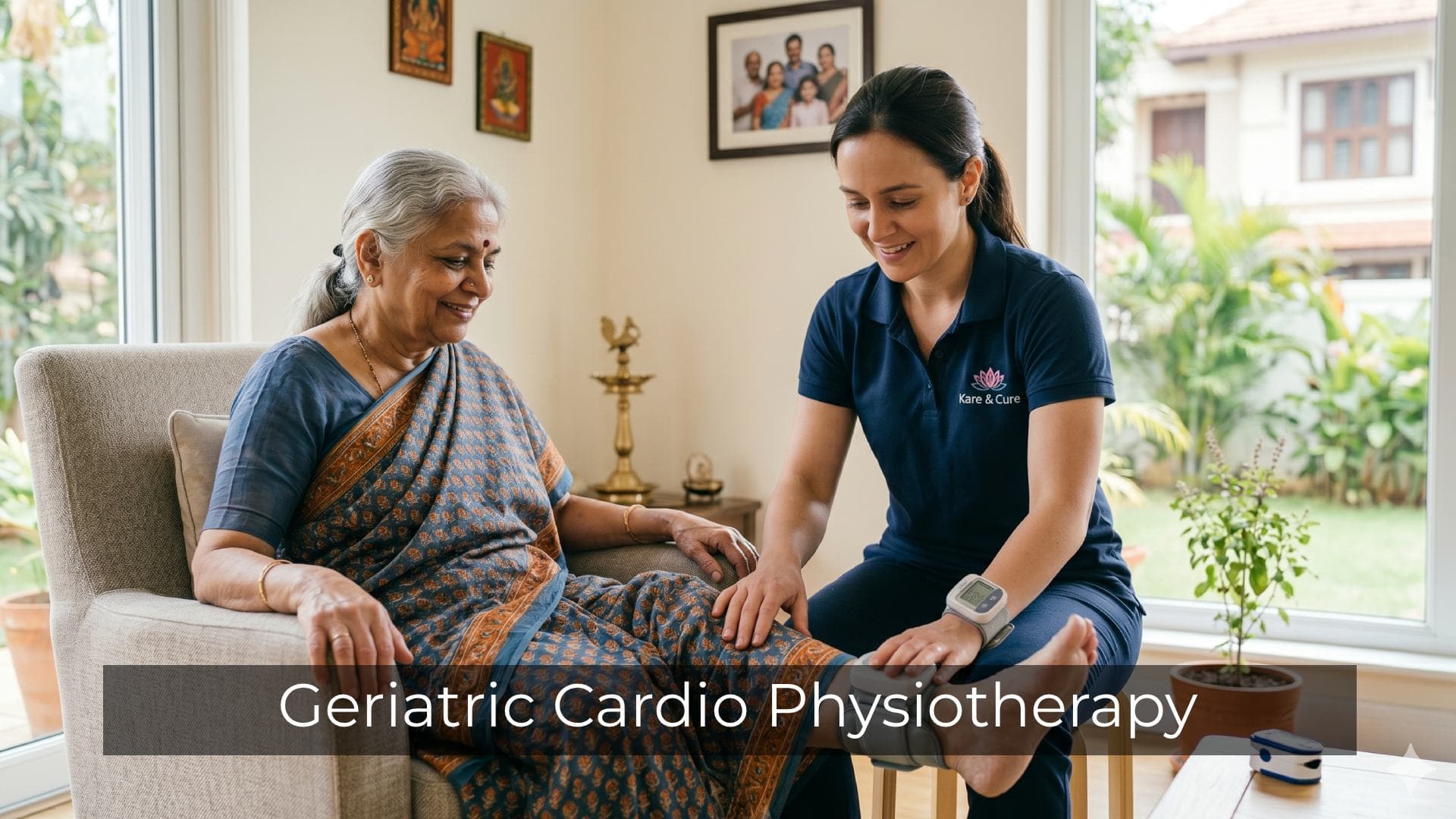
If your physiotherapist has asked you to walk, cycle, swim or "build your stamina", you may be wondering what that actually means in a rehabilitation setting. Aerobic training in physiotherapy is not the same as a gym cardio session. It is a carefully dosed, condition-specific form of exercise therapy that improves your heart, lungs and muscles while protecting the part of your body that is healing.
This guide explains every major type of aerobic training used in physiotherapy, how each one works, who it suits, and how your therapist decides the right intensity for you. You will also find a condition-by-condition matching guide, safety rules, and answers to the questions people ask most often.
Quick Answer: What Are the Types of Aerobic Training in Physiotherapy?
The main types of aerobic training in physiotherapy are:
- Continuous aerobic training (steady walking, cycling or treadmill work at a moderate intensity)
- Interval aerobic training (alternating harder and easier bouts, including high-intensity interval training)
- Circuit aerobic training (a rotation of exercise stations that keeps your heart rate raised)
- Aquatic aerobic training (walking, jogging or cycling in water)
- Low-impact ergometry (stationary bike, recumbent stepper, or arm ergometer)
- Walking-based programs (structured and progressive, often built on a walk test)
- Rhythmic and group aerobic exercise (low-impact dance, tai chi style flow, and group classes)
- Body-weight-supported and assisted aerobic training (used in neurological rehabilitation)
The best type is the one that matches your diagnosis, your current fitness, your pain level and your goals. The rest of this article shows you how that decision is made.
What Is Aerobic Training in Physiotherapy?
Aerobic exercise, also called endurance or cardio exercise, is activity in which the large muscles move in a rhythmic manner for a sustained period. The World Health Organization defines it as activity that improves cardiorespiratory fitness. The word "aerobic" simply means "with oxygen": your body uses oxygen to turn fuel into the energy that powers each movement.
In a physiotherapy setting, aerobic training is prescribed as therapeutic exercise. That means it has a clinical purpose, a measured dose and a plan for progression. A physiotherapist will usually:
- Assess your resting heart rate, blood pressure, breathing, pain and movement quality
- Check your exercise tolerance, often with a walk test or a submaximal bike test
- Choose a type of aerobic exercise that avoids stressing the injured area
- Set the dose using the FITT principle (explained below)
- Monitor your response and increase the load gradually
This is what separates rehabilitation cardio from general fitness. A person recovering from a knee replacement, a stroke, a heart procedure or a lung condition needs a very different aerobic plan from a healthy adult wanting to lose weight.
Why Aerobic Training Matters in Rehabilitation
Injury and illness often lead to rest, and rest leads to deconditioning. Within a few weeks of reduced activity, heart and lung fitness, muscle endurance and mood can all decline. Aerobic training reverses this spiral.
The documented benefits include:
- Better heart and lung function. Regular aerobic exercise improves how efficiently your body delivers and uses oxygen, measured as VO2 peak.
- Improved circulation and tissue healing. Increased blood flow supports nutrient delivery to healing muscles, tendons and joints.
- Pain modulation. Moderate exercise triggers the body's natural pain-dampening systems, which is one reason it features in guidelines for chronic low back pain and osteoarthritis.
- Metabolic health. It helps control blood sugar, blood pressure and body weight.
- Mood and sleep. Aerobic exercise is linked to lower anxiety and better sleep quality, which both support recovery.
- Lower risk of future problems. Meeting activity targets reduces the risk of heart disease, type 2 diabetes and some cancers.
For reference, the WHO 2020 guidelines recommend that adults complete 150 to 300 minutes of moderate-intensity aerobic activity per week, or 75 to 150 minutes of vigorous activity, or an equivalent combination. They also include specific advice for people living with chronic conditions and for pregnant and postpartum women. Your physiotherapist adapts these targets to what your body can safely do right now.
The FITT Principle: How Physiotherapists Dose Aerobic Exercise
Every type of aerobic training below is built using four variables:
- Frequency: how many days per week (often 3 to 5)
- Intensity: how hard you work
- Time: how long each session lasts
- Type: the activity chosen
For a deconditioned or post-surgical patient, the starting point might be as little as 5 to 10 minutes of gentle activity, repeated several times a day. For a stable patient, sessions often build towards 20 to 30 minutes or more.
How Intensity Is Measured
Intensity is the variable people find most confusing, and most guides skip it. Physiotherapists use several tools:
- The talk test. At moderate intensity you can talk in full sentences but could not sing. If you cannot speak more than a few words, you are working too hard.
- Borg Rating of Perceived Exertion (RPE). On the 6 to 20 scale, moderate effort is roughly 12 to 14 ("somewhat hard"). On the 0 to 10 scale, moderate is roughly 4 to 6.
- Heart rate zones. Calculated as a percentage of maximum heart rate or heart rate reserve. Note that the common formula (220 minus your age) is only an estimate and can be off by 10 or more beats per minute.
- METs. Moderate-intensity activity is defined as 3 to less than 6 times the energy cost of rest.
- Test-based targets. Many clinicians base walking speed or cycling power on a six-minute walk test or an exercise test.
Important: medicines such as beta blockers blunt your heart rate response, so for many cardiac patients perceived exertion matters more than a heart rate number.
Types of Aerobic Training in Physiotherapy
1. Continuous Aerobic Training (Steady-State)
What it is: One steady effort at a moderate intensity, held for a set duration. Brisk walking, steady cycling and treadmill walking are the classic examples.
How it is dosed: In cardiac rehabilitation, continuous training typically runs for 30 to 60 minutes at roughly 40 to 80 percent of VO2 peak. Early in recovery, sessions are far shorter.
Best for: Beginners, older adults, people with heart or lung conditions, patients with diabetes or high blood pressure, and anyone needing a safe, predictable starting point.
Evidence note: Moderate-intensity continuous training is regarded as an effective and safe approach in cardiac rehabilitation. In one large meta-analysis of coronary artery disease patients, it produced a greater reduction in systolic blood pressure than interval training (about 3.6 mmHg), which shows it still has an important place.
Limitations: Sessions can feel monotonous, and the time commitment is higher.
2. Interval Aerobic Training (Including HIIT)
What it is: Alternating periods of higher effort with periods of easier effort or rest. A simple example is 4 minutes of brisk cycling followed by 3 minutes of easy pedalling, repeated four times.
Short versus long intervals: Short-interval programs use bouts of about 15 to 60 seconds with 15 to 120 seconds of recovery. Longer aerobic intervals use bouts of several minutes.
Best for: Patients who are stable, have been cleared by their doctor, and have already built a base level of fitness. It also helps people who get bored with steady exercise.
Evidence note: A 2021 meta-analysis of 25 studies and 1,272 coronary artery disease patients found that both interval and continuous training improved VO2 peak, with interval training giving an extra gain of about 1.9 mL/kg/min over continuous training. A 2016 meta-analysis of ten trials with 472 patients reached the same overall conclusion. A separate six-week trial comparing the two formats also reported that both can be used safely in cardiac rehabilitation.
Limitations: Higher intensity needs closer supervision, a clear medical clearance, and careful screening. It is not the right first step for everyone.
3. Circuit Aerobic Training
What it is: A series of short exercise stations performed one after another with minimal rest, for example step-ups, sit-to-stand, arm cycling, marching in place and light resistance band work.
Best for: Patients who need to combine aerobic fitness with strength and balance, such as people recovering from orthopaedic injury, older adults at risk of falls, and general deconditioning.
Why physiotherapists like it: It trains endurance and muscle function together, and individual stations can be made easier or harder for each person.
Limitations: Station choice must be matched carefully to the injured area, and a supervised setup is best.
4. Aquatic Aerobic Training (Hydrotherapy Cardio)
What it is: Walking, marching, jogging or cycling in chest-deep water. It is one of the types of hydrotherapy in physiotherapy. Buoyancy reduces the load on joints and the spine, while water resistance provides a gentle workout for muscles.
Best for: Osteoarthritis of the hip or knee, obesity, chronic low back pain, early weight-bearing restrictions after fractures or surgery, and fibromyalgia.
Evidence note: A Cochrane review of aquatic exercise for hip and knee osteoarthritis found short-term improvements in pain and physical function. Water also lowers the strain on joints, which helps people who cannot tolerate land-based exercise yet.
Limitations: Requires pool access and a clean, safe environment. It is not suitable for open wounds, uncontrolled epilepsy, certain skin or infection conditions, or unstable heart disease.
5. Low-Impact Ergometry (Stationary Bike, Recumbent Stepper, Arm Ergometer)
What it is: Aerobic work on a machine that controls load precisely and supports your body.
- Stationary or recumbent bike: gentle on the knees and spine, easy to adjust.
- Recumbent stepper: works arms and legs together.
- Arm ergometer: an upper-limb "bike" for people who cannot use their legs, for example after a spinal cord injury, amputation or lower limb fracture.
Best for: Knee and hip rehabilitation, balance problems, neurological conditions, and anyone who needs a seated, supported option.
Why it matters: The resistance can be raised in very small steps, which makes progression measurable and safe.
6. Structured Walking Programs
What it is: A progressive walking plan that starts with short, frequent walks and increases distance, speed or incline over weeks. Many programs are anchored to the result of a six-minute walk test.
Best for: Post-operative recovery, peripheral arterial disease, COPD, early cardiac rehabilitation, osteoporosis, and general reconditioning.
Tip: Use a pedometer or phone step counter, and track your walking time and perceived effort instead of only your steps.
7. Rhythmic and Group Aerobic Exercise
What it is: Low-impact dance, tai chi style flow, seated aerobics and supervised group classes. Music and company make the exercise more enjoyable and easier to sustain.
Best for: Older adults, people who struggle with motivation, and patients in the maintenance phase of rehabilitation.
Why it works: Adherence is the biggest predictor of success in exercise therapy. A program you enjoy is a program you will keep doing.
8. Body-Weight-Supported and Assisted Aerobic Training
What it is: Treadmill or gait training in which a harness or support takes part of your weight, or a therapist or robotic device assists the movement.
Best for: Stroke, spinal cord injury, Parkinson's disease, multiple sclerosis and other neurological conditions where balance, strength or coordination limit independent walking.
Why it matters: It lets patients perform the high number of repetitions needed for both aerobic fitness and relearning movement, without falling risk. To explore the wider picture of this area, read our guide to neurological physiotherapy exercises and our article on hemiplegia treatment physiotherapy exercise.
Which Type of Aerobic Training Is Right for Your Condition?
This matching guide is the part most websites leave out. Treat it as a starting point, not a prescription.
- After knee or hip surgery: Stationary bike, aquatic exercise (once the wound is healed), and short structured walks. See our guides on physiotherapy exercises after knee surgery and our post-surgical physiotherapy service.
- Osteoarthritis: Aquatic training, cycling and low-impact walking. Learn more in our article on physiotherapy for osteoarthritis.
- Chronic low back or neck pain: Walking, aquatic exercise and gentle cycling, combined with core and posture work under our orthopaedic physiotherapy service.
- Heart conditions, angioplasty or bypass surgery: Medically cleared continuous training first, with interval training added when appropriate. See cardiac rehabilitation and cardio physiotherapy, angioplasty post-surgical physiotherapy and CABG post-surgical physiotherapy. Our guide to cardiopulmonary physiotherapy explains the full programme.
- COPD and other lung conditions: Short interval walking, arm and leg ergometry, and breathing control techniques. Read our COPD physiotherapy management guide.
- Older adults and balance problems: Seated or supported ergometry, circuit work, group exercise and walking, delivered through geriatric physiotherapy. Our article on geriatric cardio physiotherapy goes deeper.
- Stroke, Parkinson's and spinal cord injury: Body-weight-supported treadmill training, arm ergometry and assisted walking, within a neurological physiotherapy plan.
- Athletes returning to sport: Interval aerobic training, tempo runs and sport-specific conditioning. See our sports physiotherapy service and sports assessment guide.
- Pregnancy and postpartum: Walking, stationary cycling and aquatic exercise, with intensity guided by the talk test. Explore physiotherapy in pregnancy.
The Three Phases of an Aerobic Session
Whichever type you use, a physiotherapy-led session follows a predictable structure.
- Warm-up (5 to 10 minutes). Light movement raises heart rate gradually, increases blood flow to the working muscles and prepares joints.
- Conditioning phase (20 to 60 minutes, depending on your level). This is the main aerobic block, performed at your prescribed intensity.
- Cool-down (5 to 10 minutes). Slow movement allows your heart rate and blood pressure to settle safely and reduces dizziness and stiffness.
Skipping the warm-up or cool-down is one of the most common mistakes people make when exercising on their own.
How to Progress Safely
Progression is a skill, not a guess. Physiotherapists generally follow these rules:
- Increase only one variable at a time (duration, then frequency, then intensity).
- Raise the overall load by small steps, commonly about 5 to 10 percent per week for stable patients.
- Expect mild muscle effort, but not sharp or worsening pain.
- Hold back when you are unwell, sleeping poorly or recovering from a flare-up.
- Review the plan every one to two weeks with your therapist.
Warning Signs: When to Stop and Seek Help
Stop exercising and seek medical advice if you experience:
- Chest pain, pressure or tightness
- Unusual shortness of breath that does not settle with rest
- Dizziness, fainting or a racing, irregular heartbeat
- Cold sweats or nausea during exercise
- Sudden swelling, redness or severe pain in a calf or joint
- New numbness, weakness or confusion
People with heart disease, uncontrolled blood pressure, diabetes, advanced lung disease or recent surgery should always get clearance from their doctor and physiotherapist before starting or intensifying an aerobic program.
Doing Aerobic Training at Home
Home-based aerobic training is practical and effective when it is properly supervised. A trained physiotherapist can bring the assessment, equipment and guidance to your living room and then teach you a safe routine to continue between visits.
Simple home options include:
- Indoor walking laps and stair climbing (with rails and supervision)
- Seated marching and arm cycling
- A compact pedal exerciser for seated leg cycling
- Step-ups on a low, stable step
- Low-impact music-based movement
A useful safety habit is to exercise at a time when someone is nearby, keep a water bottle within reach, and track your effort using the talk test. For remote check-ins between visits, read our overview of telehealth physiotherapy.
Frequently Asked Questions
What are the 3 types of aerobic exercise?
The three broad groups are continuous (steady-state) exercise, interval exercise and circuit-style exercise. In physiotherapy, these are adapted to your health condition, and extra options such as aquatic, ergometry and assisted training are added when you need them.
What are the 4 types of aerobic exercise?
A common classification is walking or running based activity, cycling, swimming or water-based exercise, and rhythmic or group activity such as low-impact dance. A physiotherapist chooses between them based on joint load, balance, pain and medical history.
What is the best aerobic exercise in physiotherapy?
There is no single best option. Walking and stationary cycling are the most widely used because they are safe, easy to measure and easy to progress. Swimming and aquatic exercise are often best when joints cannot tolerate impact.
Is interval training better than continuous training?
For improving peak fitness (VO2 peak) in stable cardiac patients, interval training has shown a slightly larger gain in meta-analyses. Continuous training may be better for blood pressure and is a safer starting point for most people. The right choice depends on your health, your medical clearance and your goals.
How long should an aerobic session in physiotherapy last?
It varies. Early in recovery, it may be 5 to 10 minutes. Stable patients often work towards 20 to 30 minutes, and many build towards the WHO target of 150 to 300 minutes of moderate activity per week.
How often should I do aerobic exercise during rehabilitation?
Most programs use three to five days per week. Very deconditioned patients may do several very short bouts per day instead of one long session.
Can I do aerobic exercise with joint pain?
Often yes, if the type is chosen well. Water-based exercise, cycling and supported walking reduce joint stress. Mild discomfort is common, but sharp, worsening or night pain needs reassessment.
Is aerobic exercise safe after a heart attack or bypass surgery?
It is a core part of cardiac rehabilitation, but only after medical clearance and with a supervised, graded plan. Never start on your own after a cardiac event.
What is the difference between aerobic and anaerobic training in physiotherapy?
Aerobic training uses oxygen for sustained, rhythmic effort, such as walking or cycling. Anaerobic training relies on short, intense efforts, such as sprinting or heavy lifting. Rehabilitation programs usually combine both, along with balance and flexibility work.
Does aerobic training help with weight loss and diabetes?
It helps with calorie use, insulin sensitivity and blood sugar control. It works best when combined with strength training and sensible nutrition.
Can a physiotherapist design an aerobic program for me at home?
Yes. A physiotherapist can assess your fitness, set a safe intensity, teach you how to monitor effort and review your progress at home.
Aerobic Training Physiotherapy at Home in Bangalore
Traffic, heat, monsoon rain and tight work schedules make regular exercise difficult in Bangalore. For people recovering from surgery, living with arthritis, caring for an elderly parent or managing a heart or lung condition, travelling to a clinic or pool can be the biggest barrier of all.
Physio At Your Doorstep brings qualified physiotherapists to your home across Bangalore, including areas such as Koramangala, HSR Layout, Indiranagar, Whitefield, JP Nagar, Jayanagar, BTM Layout, Bellandur, Marathahalli and Electronic City. Our team will:
- Assess your fitness, medical history and movement
- Choose the right type of aerobic training for your condition
- Set a safe intensity and teach you to monitor it
- Progress your program as you get stronger
- Coordinate with your treating doctor when needed
Whether you need cardio-respiratory conditioning, post-surgical reconditioning or a gentle program for a senior family member, we can help. Learn more about our home physiotherapy services in Bangalore, check our service areas, or read our guide to physio for the elderly in Bangalore at home.
Ready to start? Book a home physiotherapy session or call/WhatsApp +91 82337 87737. Our team is available 24x7, including weekends and public holidays.
Key Takeaways
- Aerobic training in physiotherapy is dosed, supervised and condition-specific.
- The main types are continuous, interval, circuit, aquatic, ergometry, walking programs, rhythmic group exercise and assisted training.
- Intensity is measured with the talk test, RPE, heart rate and METs, not guesswork.
- Interval training can raise peak fitness more, while continuous training is safer to start with.
- Always get medical clearance if you have a heart, lung, blood pressure or diabetes condition.
Disclaimer: This article is for general education and does not replace personal medical advice. Please consult a qualified physiotherapist or doctor before starting a new exercise program.
References and Resources
- Bull FC, Al-Ansari SS, Biddle S, et al. World Health Organization 2020 guidelines on physical activity and sedentary behaviour. British Journal of Sports Medicine. 2020;54(24):1451-1462. doi:10.1136/bjsports-2020-102955. https://pmc.ncbi.nlm.nih.gov/articles/PMC7719906/
- Du L, Zhang X, Chen K, Ren X, Chen S, He Q. Effect of high-intensity interval training on physical health in coronary artery disease patients: a meta-analysis of randomized controlled trials. Journal of Cardiovascular Development and Disease. 2021;8(11):158. doi:10.3390/jcdd8110158. https://www.ncbi.nlm.nih.gov/pmc/articles/PMC8622669/
- Liou K, Ho S, Fildes J, Ooi SY. High intensity interval versus moderate intensity continuous training in patients with coronary artery disease: a meta-analysis of physiological and clinical parameters. Heart, Lung and Circulation. 2016. doi:10.1016/j.hlc.2015.06.828
- Effects of high-intensity interval vs. moderate-intensity continuous training on cardiac rehabilitation in patients with cardiovascular disease: a systematic review and meta-analysis. https://pmc.ncbi.nlm.nih.gov/articles/PMC8904881/
- Comparison of the effect of interval aerobic training and continuous training on coronary artery disease. ClinicalTrials.gov NCT06525233. https://clinicaltrials.gov/study/NCT06525233
- Bartels EM, Juhl CB, Christensen R, et al. Aquatic exercise for the treatment of knee and hip osteoarthritis. Cochrane Database of Systematic Reviews. 2016.
- Anderson L, Oldridge N, Thompson DR, et al. Exercise-based cardiac rehabilitation for coronary heart disease. Cochrane Database of Systematic Reviews. 2016.
- American College of Sports Medicine. ACSM's Guidelines for Exercise Testing and Prescription, 11th edition. 2021.
More from Physio At Your Doorstep: browse all blog articles.
Related Service
Orthopaedic Physiotherapy at Home
Book a certified physiotherapist for orthopaedic physiotherapy across Bangalore & Pune.
Related Articles
Agonist and Antagonist in Physiotherapy: A Complete, Evidence-Based Guide
Every joint moves through a pair of muscles working in opposition. Here is what agonist and antagonist muscles are, how reciprocal inhibition works, and why their balance decides pain, posture and recovery.
Read More
Ortho and Neuro Physiotherapy: A Complete Guide to Conditions, Treatment and Home Recovery
Orthopaedic physiotherapy treats bones, joints and muscles; neurological physiotherapy retrains movement after brain, spinal cord or nerve damage. Here is how each works, where they overlap, and what to expect from home care.
Read More
Types of Hydrotherapy in Physiotherapy: Methods, Benefits and Which One You Need
Hydrotherapy is more than soaking in warm water. Here are the main types physiotherapists use, which condition each one suits, who should avoid it, and what you can safely do at home.
Read MoreNeed Professional Help?
Our expert physiotherapists are here to help you recover and stay healthy.