Orthopaedic Physiotherapy in Bangalore – Comprehensive Musculoskeletal Rehabilitation
Orthopaedic physiotherapy focuses on the assessment, treatment, and rehabilitation of conditions affecting the musculoskeletal system, including bones, joints, muscles, ligaments, and tendons. It plays a crucial role in pain management, injury recovery, post-surgical rehabilitation, and restoration of functional movement.
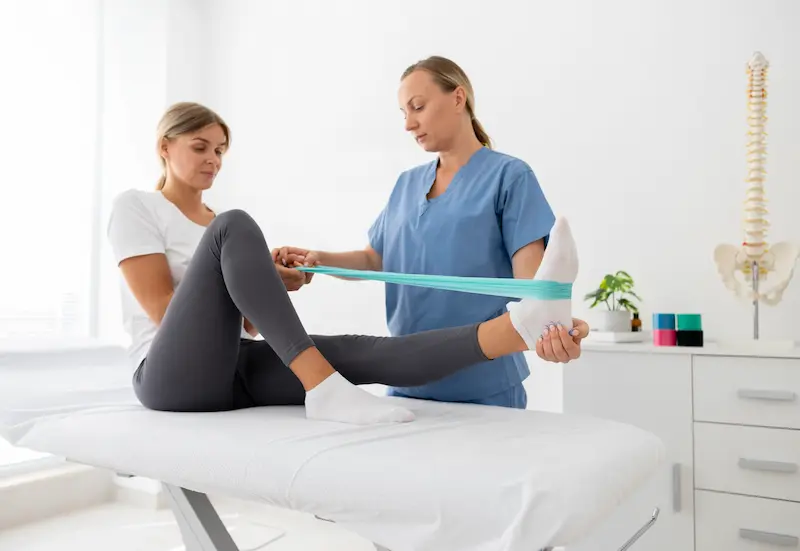
Whether caused by injury, degeneration, surgery, or lifestyle-related strain, musculoskeletal problems can significantly limit daily activities and quality of life. Orthopaedic physiotherapy uses evidence-based techniques to address these challenges in a structured, progressive, and patient-centred manner.
What Is Orthopaedic Physiotherapy?
Orthopaedic physiotherapy is a specialised branch of physiotherapy that deals with mechanical and structural issues of the body. Treatment begins with a detailed clinical assessment, including posture analysis, movement testing, strength evaluation, and functional assessment.
Based on this assessment, a customised rehabilitation plan is created to reduce pain, restore mobility, improve strength, and help patients return to normal activities safely.
Conditions Treated in Orthopaedic Physiotherapy
Orthopaedic physiotherapy supports a wide range of acute and chronic conditions, including:
- Muscle strains and ligament sprains
- Ligament tears such as ACL, MCL, and meniscus injuries
- Frozen shoulder and shoulder stiffness
- Fractures and post-fracture stiffness
- Osteoarthritis and rheumatoid arthritis
- Tendonitis, bursitis, and overuse injuries
- Back pain, disc-related issues, and spinal stiffness
- Post-operative orthopaedic rehabilitation
Orthopaedic Physiotherapy Treatment Approach
Treatment is individualised and may include:
- Pain and inflammation management
- Joint mobilisation to restore movement
- Muscle strengthening and endurance training
- Stretching and flexibility exercises
- Posture correction and ergonomic guidance
- Balance, coordination, and gait training
- Functional movement retraining
Programs are progressed gradually based on healing status, pain levels, and functional goals.
Role of Orthopaedic Physiotherapy in Pain Management
Pain related to musculoskeletal conditions often results from poor movement patterns, weakness, stiffness, or tissue overload. Physiotherapy addresses the root causes of pain rather than only symptoms, helping reduce dependence on medication and improve long-term outcomes.
Post-Surgical Orthopaedic Rehabilitation
After surgeries such as joint replacement, ligament reconstruction, or fracture fixation, physiotherapy is essential to:
- Reduce swelling and pain
- Restore joint range of motion
- Rebuild muscle strength
- Improve balance and coordination
- Support safe return to daily activities
Rehabilitation follows surgeon protocols and is adapted to each stage of healing.
Benefits of Home-Based Orthopaedic Physiotherapy
- Reduced travel stress for injured patients
- Personalised one-on-one sessions
- Functional training in real-life environments
- Better consistency and adherence
- Comfortable recovery setting
Safety, Ethics & Clinical Disclaimer
Orthopaedic physiotherapy is delivered after appropriate clinical assessment. Exercise progression is based on individual tolerance and medical guidance. Physiotherapy complements medical treatment and does not replace physician care.
Related Articles
Cervical Spondylitis Physiotherapy Treatment: Causes, Exercises and Recovery Guide
Most neck pain from cervical spondylosis improves without surgery. This guide covers red flags, how physiotherapists assess the neck, the exercises with research support, and what a 6 to 12 week recovery looks like.
Read More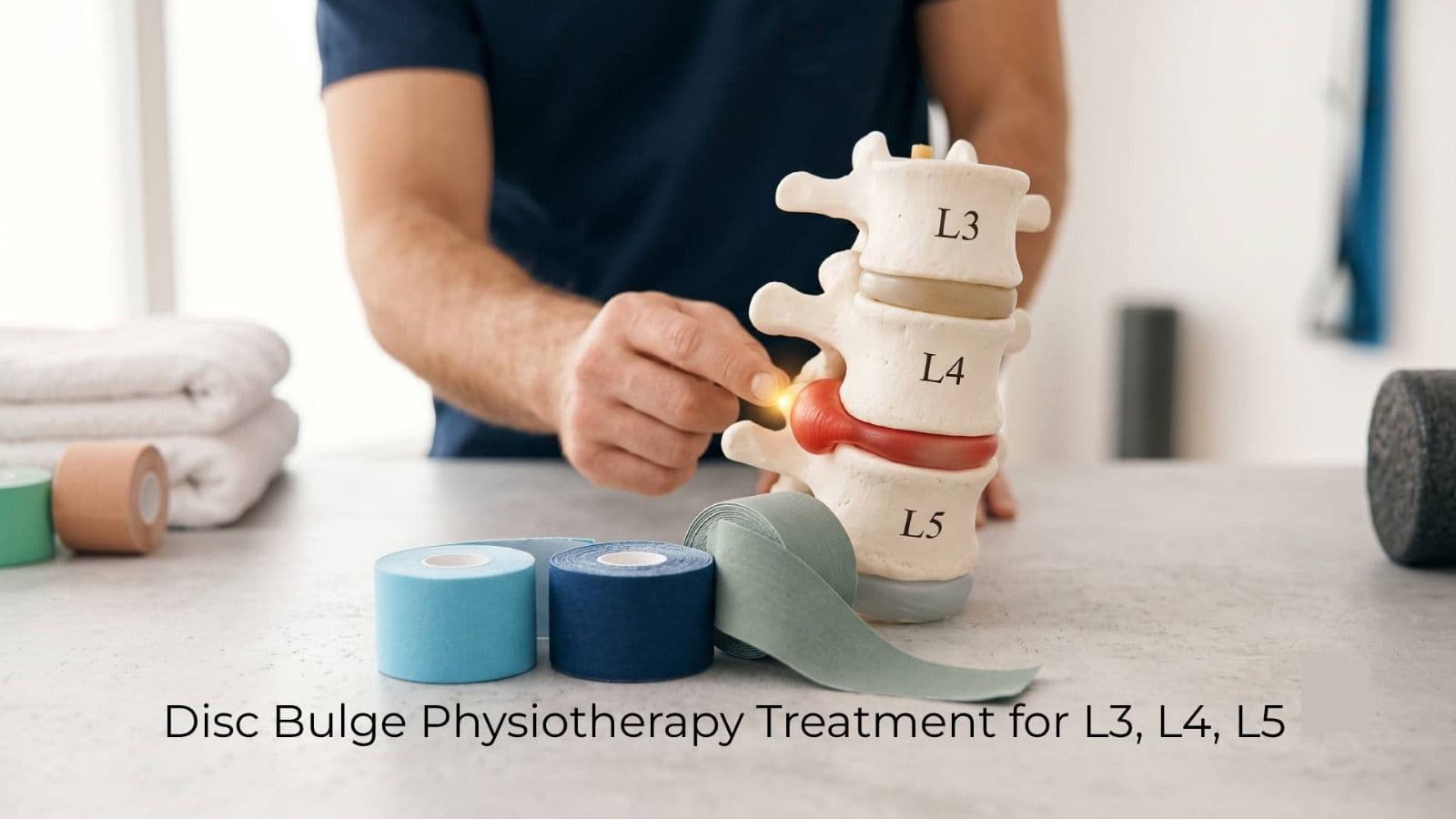
Disc Bulge Physiotherapy Treatment for L3, L4, L5: A Complete Recovery Guide
Disc bulges at L3-L4, L4-L5, and L5-S1 are extremely common, and most respond well to conservative care. Here is what each level means, how physiotherapists treat them differently, and what a realistic recovery timeline looks like.
Read More
Schmorl’s Node Physiotherapy Management: Rehab Guide
If you have been diagnosed with a Schmorl’s node or discovered one incidentally on a spinal MRI, you may have walked away with more questions than answers. What exactly is this condition?
Read MoreReady to Get Started?
Book your orthopaedic physiotherapy session today and experience professional physiotherapy at your doorstep.