Pediatric Physiotherapy for Children – Supporting Development, Movement & Independence
Pediatric physiotherapy is a specialised branch of physiotherapy dedicated to supporting infants, children, and adolescents with movement, developmental, neurological, and musculoskeletal challenges. Childhood is a critical period of growth and development, and early identification of movement difficulties can significantly influence long-term physical function and independence.
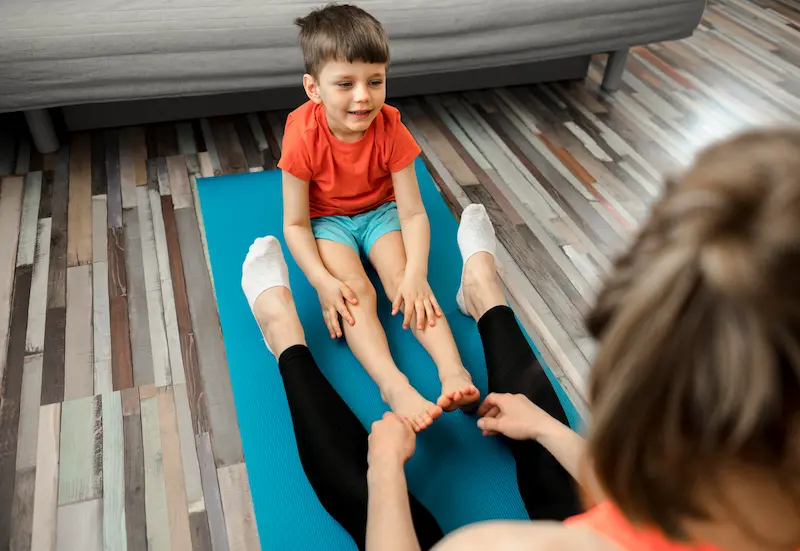
Through structured, age-appropriate, and evidence-based interventions, pediatric physiotherapy helps children build strength, coordination, balance, and confidence to participate actively in daily life, school, and play.
What Is Pediatric Physiotherapy?
Pediatric physiotherapy focuses on assessing and treating physical challenges in children from birth up to 18 years of age. Unlike adult physiotherapy, treatment for children is adapted to developmental milestones, growth patterns, learning abilities, and emotional needs.
Therapy often uses play-based and task-oriented activities to encourage engagement while improving posture, movement control, strength, and functional skills.
Why Pediatric Physiotherapy Is Important
Children with untreated movement difficulties may experience delayed milestones, poor posture, reduced participation in activities, and secondary complications as they grow. Early physiotherapy intervention can:
- Support age-appropriate motor development
- Improve muscle strength and coordination
- Enhance balance and postural control
- Promote independence in daily activities
- Reduce the risk of long-term disability
- Improve confidence and social participation
Conditions Treated in Pediatric Physiotherapy
Pediatric physiotherapy supports a wide range of conditions, including:
Developmental & Neurological Conditions
- Developmental delay
- Cerebral palsy
- Autism spectrum disorder
- Spina bifida
- Acquired brain injury
- Genetic and neuromuscular disorders
Musculoskeletal Conditions
- Poor posture and spinal alignment issues
- Flat feet and gait abnormalities
- Muscle weakness and joint stiffness
- Sports-related injuries in children
Respiratory & Functional Conditions
- Reduced endurance
- Post-hospitalisation deconditioning
- Coordination and movement difficulties
Pediatric Physiotherapy Treatment Approach
Each child receives an individualised treatment plan based on clinical assessment, developmental stage, and functional goals. Treatment may include:
- Gross and fine motor skill training
- Balance and coordination exercises
- Strength and endurance development
- Gait and mobility training
- Postural correction
- Functional task practice
- Parent and caregiver education
Play-based therapy techniques are used to ensure motivation, enjoyment, and positive emotional experiences.
Benefits of Pediatric Physiotherapy at Home
Home-based pediatric physiotherapy offers unique advantages:
- Familiar and comfortable environment for the child
- Reduced anxiety and better cooperation
- Functional training in real-life settings
- Greater parent and caregiver involvement
- Flexible scheduling around school routines
Role of Parents and Caregivers
Parents and caregivers play a vital role in pediatric rehabilitation. Physiotherapists guide families on:
- Safe handling and positioning
- Home exercise programs
- Activity modification
- Progress monitoring
Consistent practice at home significantly improves outcomes.
Safety, Ethics & Clinical Disclaimer
Pediatric physiotherapy is delivered following clinical assessment and developmental guidelines. Outcomes vary depending on diagnosis, severity, and therapy consistency. Physiotherapy complements medical care and does not replace paediatric or neurological supervision.
Related Articles
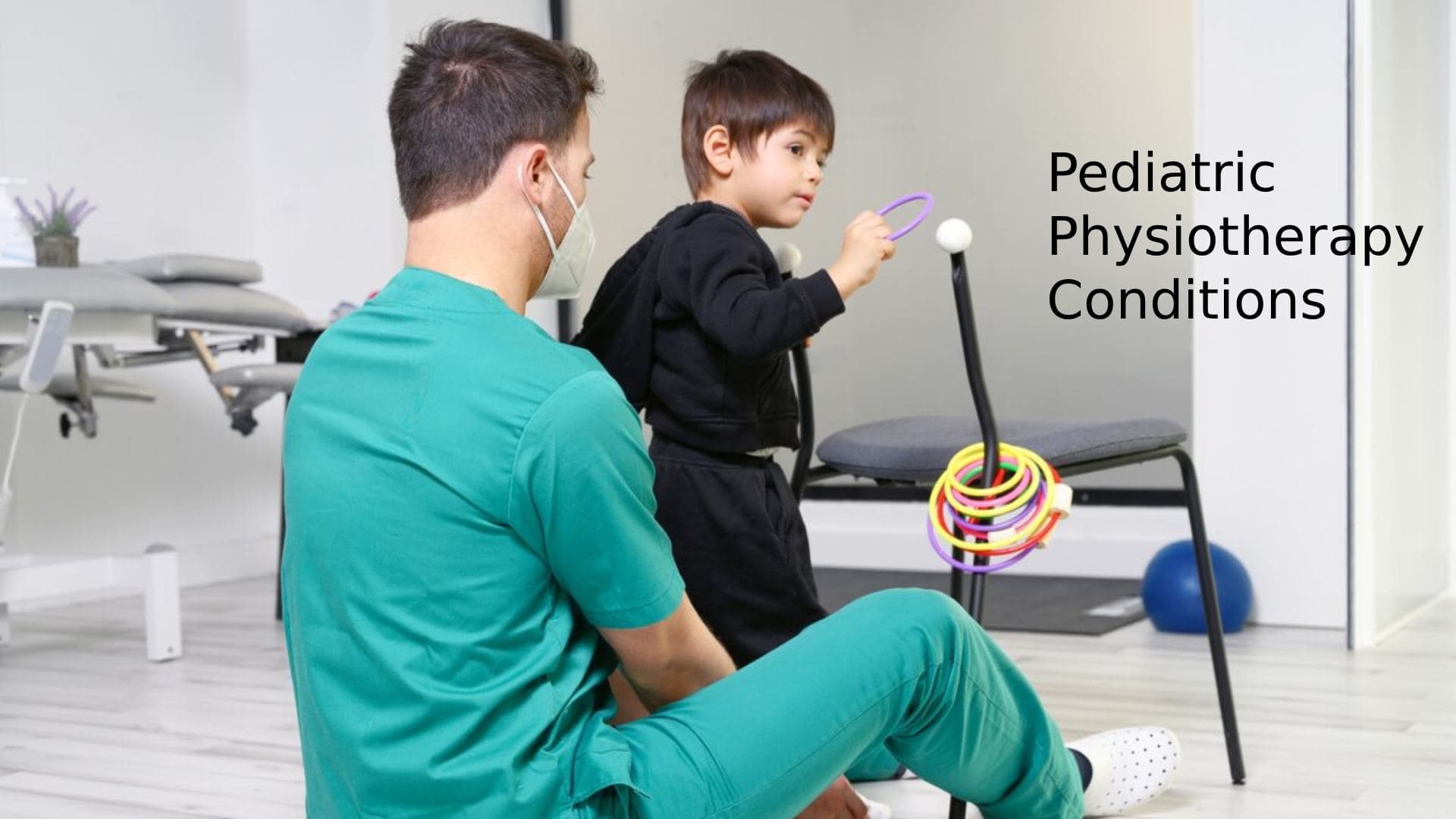
Erb's Palsy Physiotherapy Treatment: A Complete, Evidence-Based Guide for Parents
Most babies with Erb's palsy regain much of their arm function, and physiotherapy is the biggest factor. This guide explains treatment by stage, home exercises, when surgery is considered, and what the research says.
Read More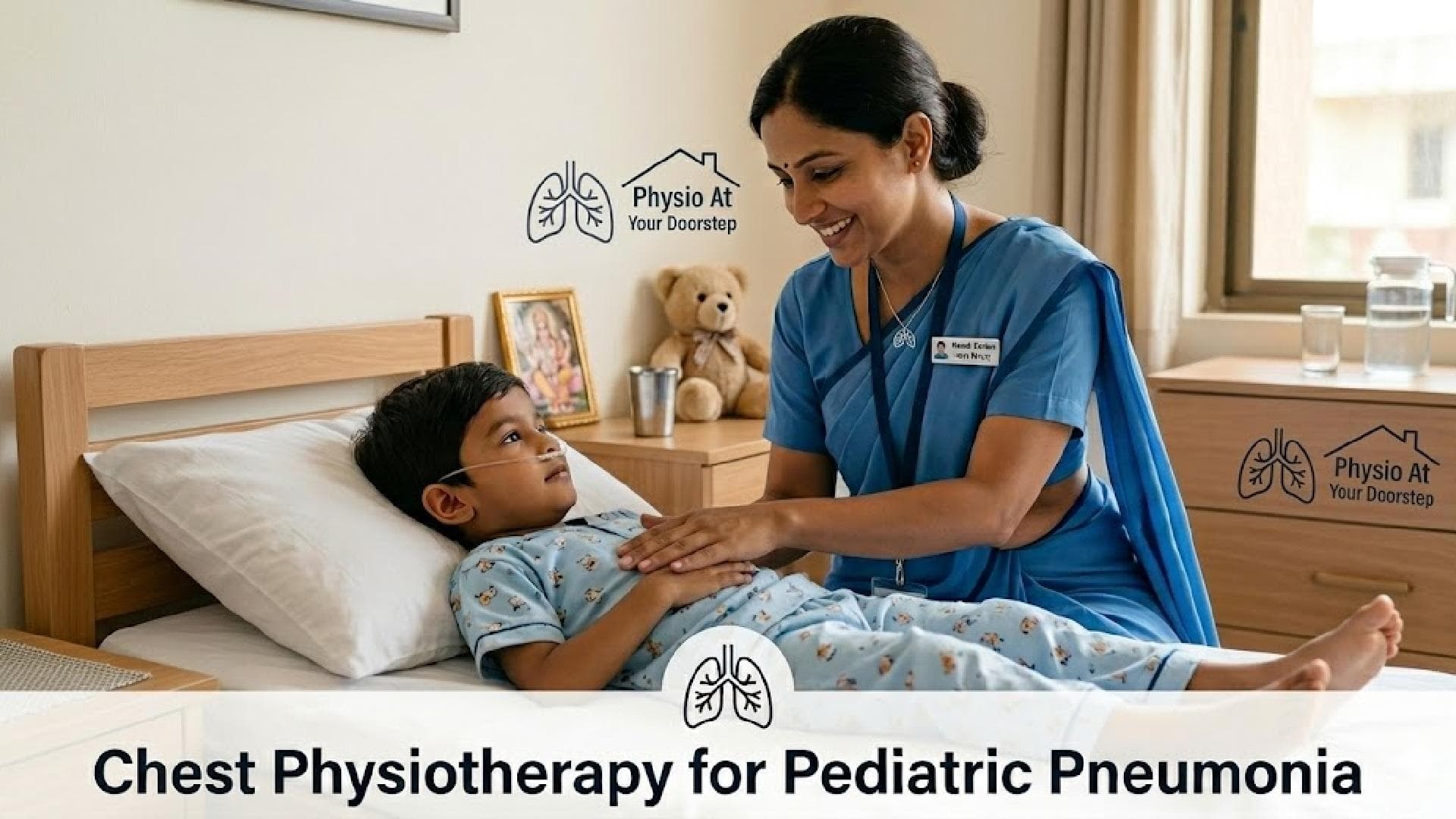
Chest Physiotherapy for Pediatric Pneumonia Explained
Pneumonia is one of the leading causes of hospitalization and mortality in children under five years of age worldwide.
Read More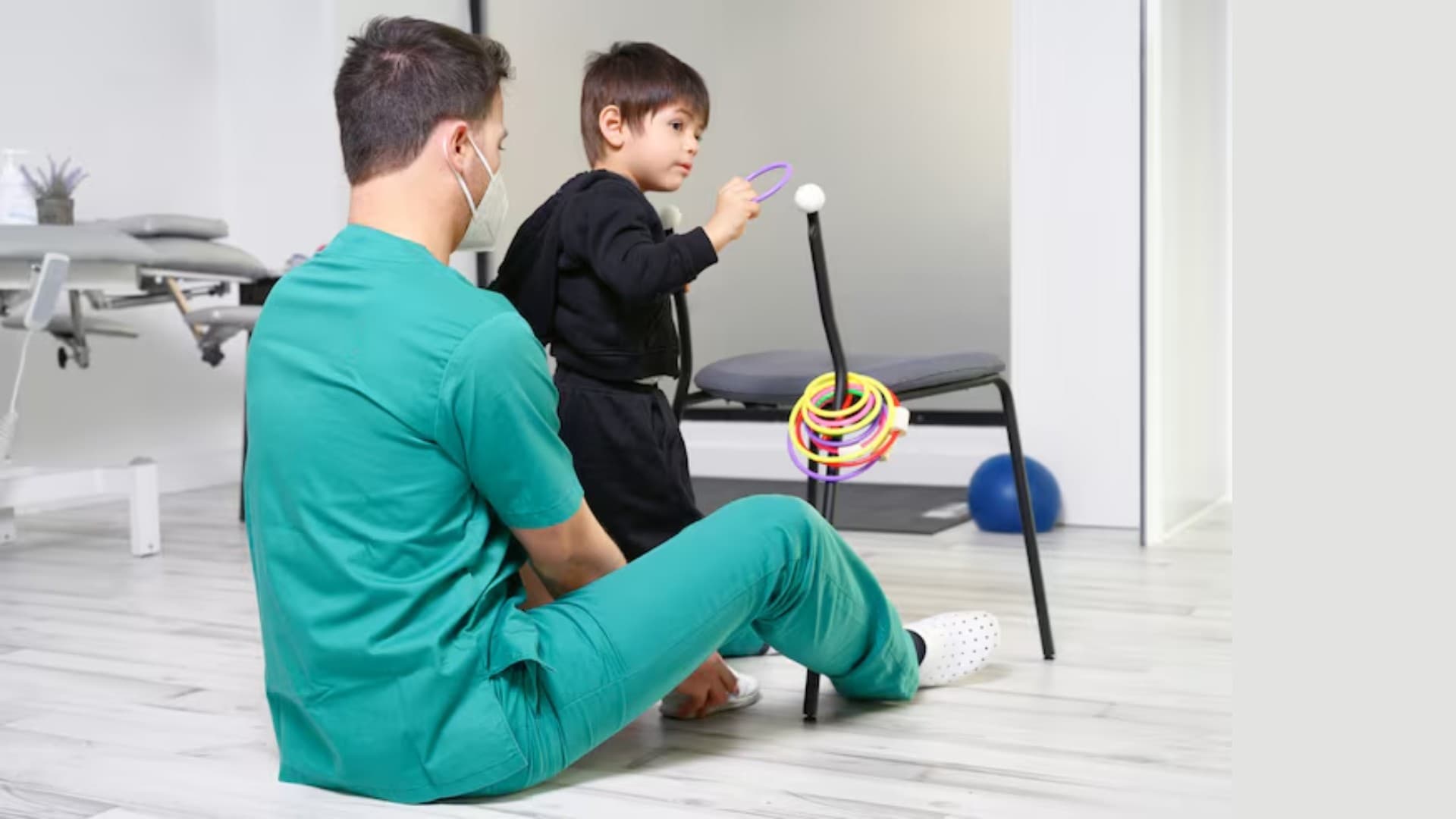
Recent Advances in Pediatric Physiotherapy for Children
Pediatric physiotherapy has experienced remarkable transformation over the past few years, with groundbreaking technological innovations and evidence-based treatment approaches revolutionizing how we support children with developmental challenges, neurological conditions, and physical disabilities.
Read MoreReady to Get Started?
Book your pediatric physiotherapy session today and experience professional physiotherapy at your doorstep.