Erb's Palsy Physiotherapy Treatment: A Complete, Evidence-Based Guide for Parents
Most babies with Erb's palsy regain much of their arm function, and physiotherapy is the biggest factor. This guide explains treatment by stage, home exercises, when surgery is considered, and what the research says.
Finding out that your newborn has Erb's palsy can be frightening, especially in the first few days when you are still learning what the diagnosis actually means. The good news, backed by decades of clinical research, is that most babies with this condition recover a large part of their arm function, and physiotherapy is the single most important factor in that recovery.
This guide walks you through what Erb's palsy is, why early physiotherapy matters so much, exactly what a physiotherapy program looks like at each stage, and what the research actually says about outcomes and timelines. We have also included the details that most general health websites skip, the specific exercises, splinting protocols, and red flags that decide whether a child needs surgery, because that is the information parents are really searching for.
What Is Erb's Palsy?
Erb's palsy, also called Erb-Duchenne palsy, is a type of obstetric brachial plexus injury. The brachial plexus is a network of nerves that runs from the spinal cord in the neck down through the shoulder and into the arm, controlling movement and sensation in the entire upper limb.
Erb's palsy specifically involves damage to the upper part of this network, the C5 and C6 nerve roots, and in some cases C7 as well. This injury usually happens during a difficult delivery when the baby's shoulder gets stuck behind the mother's pubic bone, a complication called shoulder dystocia, causing the neck and shoulder to stretch apart and injure the nerves. It is the most common type of birth-related brachial plexus injury, accounting for roughly half to two-thirds of all such cases.
Why the Arm Looks the Way It Does: The Waiter's Tip Position
One detail parents notice immediately, and one that most consumer health articles never fully explain, is why the affected arm rests in such a distinctive posture. Because the C5 and C6 nerves control shoulder abduction, external rotation, elbow flexion, and forearm supination, damage to these nerves leaves the opposing, unaffected muscles unopposed. The result is an arm that hangs with the shoulder turned inward, the elbow straight, the forearm rotated palm-down, and the wrist bent, a pattern clinicians call the "waiter's tip" position. Recognising this posture early is one of the fastest ways a physiotherapist confirms the diagnosis and starts treatment without delay.
How Severe Is It? Understanding the Grades of Injury
Not every case of Erb's palsy is the same, and the severity of nerve damage directly determines the treatment plan and prognosis:
- Neurapraxia: The mildest form, where the nerve is stretched but not torn. Most infants recover fully within weeks to a few months with physiotherapy alone.
- Axonotmesis: A more significant stretch injury where the nerve fibres are damaged but the outer sheath stays intact. Recovery is slower and needs months of structured therapy.
- Neurotmesis (rupture): The nerve is torn and requires surgical repair since it cannot reconnect on its own.
- Avulsion: The most severe injury, where the nerve root is pulled completely out of the spinal cord. This always requires surgery, usually nerve grafting.
Physiotherapists and pediatric neurologists commonly use the Mallet classification and Active Movement Scale to grade shoulder and arm function over time (our guide to pediatric physiotherapy assessment explains what an assessment involves), helping the treatment team decide, often around the four to six month mark, whether the child is a candidate for nerve surgery or can continue with rehabilitation alone.
Why Physiotherapy Is the Cornerstone of Erb's Palsy Treatment
Physiotherapy does not repair the damaged nerve itself. What it does is protect the arm while the nerve heals and prevent the secondary problems that cause far more long-term disability than the original nerve injury. This is a critical distinction that shapes everything about how treatment is delivered.
Without early intervention, an infant with Erb's palsy is at high risk of:
- Joint contractures: Muscles and soft tissue around an unused joint shorten permanently within weeks, especially at the shoulder and elbow, making later recovery far harder even if nerve function returns.
- Glenohumeral joint dysplasia: The shoulder socket can develop abnormally if the arm is not moved through a full range regularly during infancy, a growth window that does not repeat later.
- Muscle imbalance and biceps-triceps co-contraction: Faulty nerve regeneration sometimes causes the biceps and triceps to fire together instead of reciprocally, blocking smooth elbow movement even after nerves recover. Our guide to agonist and antagonist muscles explains this reciprocal relationship.
- Sensory neglect and learned non-use: Babies quickly learn to ignore a limb that does not respond, which can persist as a behavioural pattern long after the nerve itself has healed.
This is why physiotherapy for Erb's palsy is considered essential from the point of diagnosis until skeletal maturity in more significant cases, not just during the acute newborn period. The goal, in the words used by pediatric therapy specialists, is to keep the baby's muscles from shortening, keep the joints from stiffening, and preserve the sensation of normal movement so that when nerve recovery does happen, the arm has not forgotten how to move.
Erb's Palsy Physiotherapy Treatment by Stage
A well-structured physiotherapy program evolves as the child grows and as nerve recovery either progresses or plateaus. Below is how treatment typically unfolds.
Stage 1: The First Weeks (0 to 3 Months)
Treatment begins almost immediately after diagnosis, usually within the first one to two weeks of life. At this stage the focus is entirely protective and preventive.
- Gentle passive range of motion (PROM) exercises: A physiotherapist, and later the parents under guidance, gently move the shoulder, elbow, wrist, and fingers through their full available range several times a day. This alone is one of the most evidence-supported interventions for preventing contractures.
- Positioning and handling education: Parents are taught how to hold, dress, and carry the baby without stressing the injured shoulder, and how to position the arm during sleep to avoid prolonged internal rotation.
- Sensory stimulation: Light touch, texture play, and encouraging the baby to notice and look at the affected arm helps prevent the sensory neglect pattern mentioned earlier.
- Avoiding shoulder immobilisers for extended periods: While a brief period of rest may be advised after very severe injuries, prolonged immobilisation is now understood to increase contracture risk rather than reduce it, which is why modern protocols favour early, gentle movement over strict rest.
Stage 2: 3 to 9 Months, Building Active Movement
As the infant grows and nerve recovery becomes clearer, therapy shifts from purely passive movement toward encouraging the baby to use the arm actively.
- Facilitated active movement: Using toys, mirrors, and reaching games positioned to encourage the baby to move the affected arm against gravity.
- Developmental milestone training: Physiotherapists integrate arm use into normal infant milestones like rolling, propping on forearms, reaching, and eventually crawling, since these activities naturally load and strengthen the shoulder girdle.
- Kinesiology taping: Research on kinesio taping in Erb's palsy shows it can support weak muscles, improve proprioceptive feedback, and help correct the internally rotated shoulder posture as an adjunct to hands-on therapy.
- Neuromuscular electrical stimulation (NMES): In select cases, low-frequency electrical stimulation of the biceps and triceps is used to maintain muscle bulk and encourage active contraction while nerve regeneration is ongoing. Clinical trials on reciprocal electrical stimulation for the biceps and triceps have shown measurable functional gains when combined with a structured physiotherapy program. Read more about electrotherapy modalities in physiotherapy.
This is also the window (typically around 3 to 6 months) when the treating team assesses whether biceps function has returned. If there is no clinical or EMG evidence of biceps recovery by around 6 months, nerve surgery is usually recommended, since outcomes drop significantly if surgical repair is delayed much beyond the first year.
Stage 3: 9 Months and Beyond, Constraint-Induced Movement Therapy and Functional Training
For toddlers and older children with persistent weakness, more intensive rehabilitation approaches come into play.
- Modified Constraint-Induced Movement Therapy (mCIMT): The stronger arm is gently restrained for structured periods each day using a mitt or sling, forcing the child to use the affected arm for reaching, grasping, and play. Systematic reviews of mCIMT in obstetric brachial plexus palsy report meaningful improvements in upper limb function and daily use.
- Strengthening exercises: Age-appropriate resisted exercises using therapy bands, light resisted ball throwing, and supinating light objects to rebuild strength in the specific muscle groups affected by the C5-C6 injury.
- Stretching for internal rotators and adductors: Since the "waiter's tip" posture predisposes the shoulder to tightness in internal rotation, regular stretching of these muscle groups remains part of therapy well beyond infancy.
- Splinting and orthotics: Custom splints help position the wrist and forearm functionally between therapy sessions and are often used alongside taping.
- Occupational therapy integration: Physiotherapy focuses on range of motion, strength, and movement patterns, while occupational therapy works alongside it on functional tasks like feeding, dressing, and handwriting as the child grows. The best outcomes come from these disciplines working as one coordinated team rather than in isolation.
What Does the Research Say About Outcomes?
Parents understandably want to know what to realistically expect, and this is an area where being direct and evidence-based matters more than reassurance alone.
Most cases of Erb's palsy involve relatively mild nerve stretching, and a large proportion of infants recover spontaneously within three to nine months with physiotherapy support alone. A systematic review of physiotherapy interventions for obstetric brachial palsy in children aged 0 to 10 found that constraint-induced movement therapy, kinesiotaping, electrotherapy, virtual reality-based training, and splinting all showed positive outcomes for upper limb function, reinforcing that a combination approach tends to outperform any single technique used alone.
For the roughly 10 to 20 percent of children whose biceps function has not returned by around six months, nerve surgery (commonly nerve grafting, sub-scapularis release, or latissimus dorsi tendon transfer) becomes the recommended path, and physiotherapy continues before and after surgery to maximise the functional benefit. The single most consistent predictor across clinical literature is early recognition and early initiation of therapy. Delays in starting physiotherapy, even by a few weeks, are linked to a higher risk of permanent contracture, which is why consistent daily therapy in the newborn period carries so much weight.
Home Exercises Parents Can Do Between Sessions
Physiotherapy for Erb's palsy is not something that happens only during a clinic visit. Consistency at home is what actually drives outcomes, since a baby needs these movements repeated many times a day, not just once or twice a week in a session.
- Shoulder passive range of motion: With the baby lying comfortably, gently move the arm through flexion, abduction, and external rotation, holding each position briefly without forcing beyond the available range.
- Elbow flexion and extension stretches: Slowly bend and straighten the elbow, encouraging full extension and flexion to prevent the elbow from settling into a fixed, straight position.
- Forearm supination stretch: Gently rotate the forearm so the palm faces upward, since forearm pronation is one of the hallmark restrictions in Erb's palsy.
- Wrist and finger mobility: Small, gentle movements of the wrist and each finger joint keep the hand supple for later grasping function.
- Sensory play: Placing different textured toys in the affected hand and encouraging the baby to look at and track the arm during movement helps rebuild the brain's awareness of the limb.
A physiotherapist should always demonstrate correct technique first and review progress regularly, since incorrect handling, particularly over-forcing a stretch, can cause more harm than benefit in a very young infant.
Frequently Asked Questions
Can Erb's palsy be fully cured with physiotherapy?
Physiotherapy does not repair the nerve itself, but for infants with milder nerve stretch injuries, it supports the body's own nerve regeneration and prevents the secondary complications, like contractures and joint stiffness, that cause most long-term disability. A large majority of infants with mild to moderate injuries regain functional use of the arm with consistent physiotherapy.
When should physiotherapy start for a baby with Erb's palsy?
As early as possible, ideally within the first one to two weeks of life, once the baby is medically stable. Early initiation is one of the most consistently reported predictors of a good functional outcome in the research literature.
How long does physiotherapy for Erb's palsy usually last?
This varies significantly by severity. Mild cases may need active therapy for a few months, while moderate to severe cases, especially those involving surgery, often continue structured physiotherapy for several years, sometimes until the child reaches skeletal maturity.
What is the waiter's tip position in Erb's palsy?
It refers to the characteristic resting posture of the affected arm, with the shoulder turned inward, the elbow straight, the forearm rotated palm-down, and the wrist bent, caused by unopposed muscle action after C5-C6 nerve damage. It is one of the most recognisable clinical signs used to identify Erb's palsy at birth.
Does every child with Erb's palsy need surgery?
No. Surgery is generally considered only when there is no clinical or electromyographic evidence of biceps function by around six months of age, which applies to roughly 10 to 20 percent of cases. The majority of children recover adequately with physiotherapy alone.
What is constraint-induced movement therapy and why is it used?
It is a technique where the unaffected arm is gently restrained for set periods to encourage the child to actively use the weaker, affected arm during play and daily tasks. Research on modified constraint-induced movement therapy shows it can meaningfully improve how much a child actually uses the affected limb in real-world activities, not just its passive range of motion.
Can Erb's palsy affect the other arm or get worse over time?
Erb's palsy typically affects only the arm on the side where the nerve injury occurred and does not spread to the other side. Without appropriate physiotherapy, the affected arm's function can appear to worsen over time, not because the nerve injury progresses, but because untreated contractures and disuse reduce the functional range that was otherwise available.
Book a Pediatric Physiotherapy Assessment at Home in Bangalore
If your baby or child has been diagnosed with Erb's palsy, starting physiotherapy early and staying consistent with home exercises makes a measurable difference to long-term arm function. Our certified pediatric physiotherapists at Physio At Your Doorstep bring hands-on assessment, passive range of motion therapy, splinting guidance, and structured home exercise programs directly to your home anywhere in Bangalore, so your baby is treated in a familiar, comfortable environment rather than a clinic waiting room.
We serve 40+ areas across Bangalore, including Koramangala, HSR Layout, Whitefield, Indiranagar, JP Nagar, and Electronic City, with same-day appointments and 24x7 availability for urgent cases.
Explore our pediatric physiotherapy services to learn more about how we support infants and children with movement and developmental conditions, or read our guide on types of pediatric physiotherapy to understand the full range of approaches we use. If your child's condition involves broader neurological recovery, our neurological physiotherapy team can also help, and our article on recent advances in pediatric physiotherapy covers some of the newer techniques, like taping and functional electrical stimulation, referenced in this guide.
Book an appointment or call +91 82337 87737 to speak with a pediatric physiotherapist today.
Further reading: For a detailed clinical overview of Erb's palsy, including nerve anatomy, grading, and surgical indications, see the Physiopedia page on Erb's Palsy. For more from our team, browse all blog articles.
Related Service
Pediatric Physiotherapy at Home
Book a certified physiotherapist for pediatric physiotherapy across Bangalore & Pune.
Related Articles
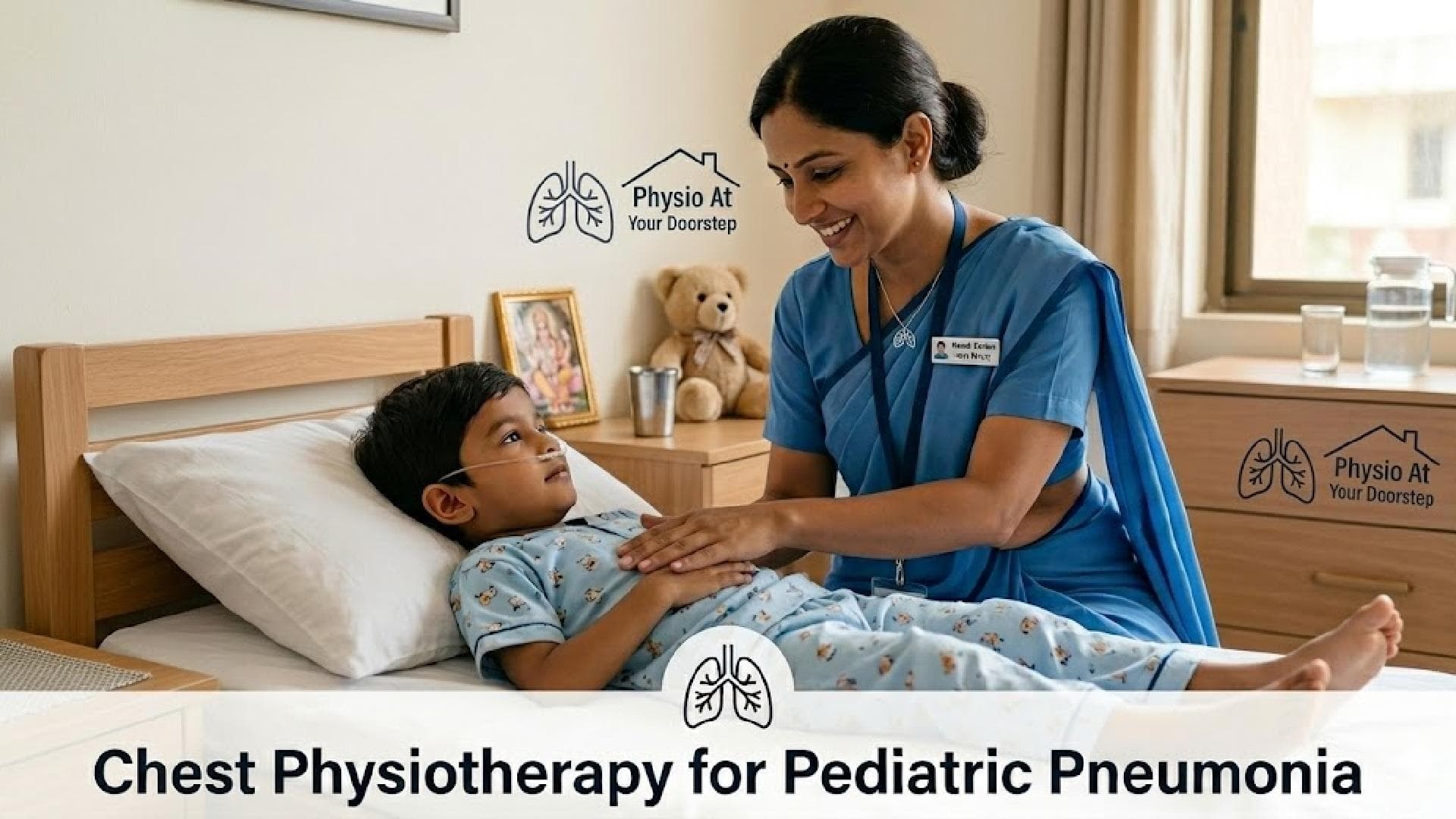
Chest Physiotherapy for Pediatric Pneumonia Explained
Pneumonia is one of the leading causes of hospitalization and mortality in children under five years of age worldwide.
Read More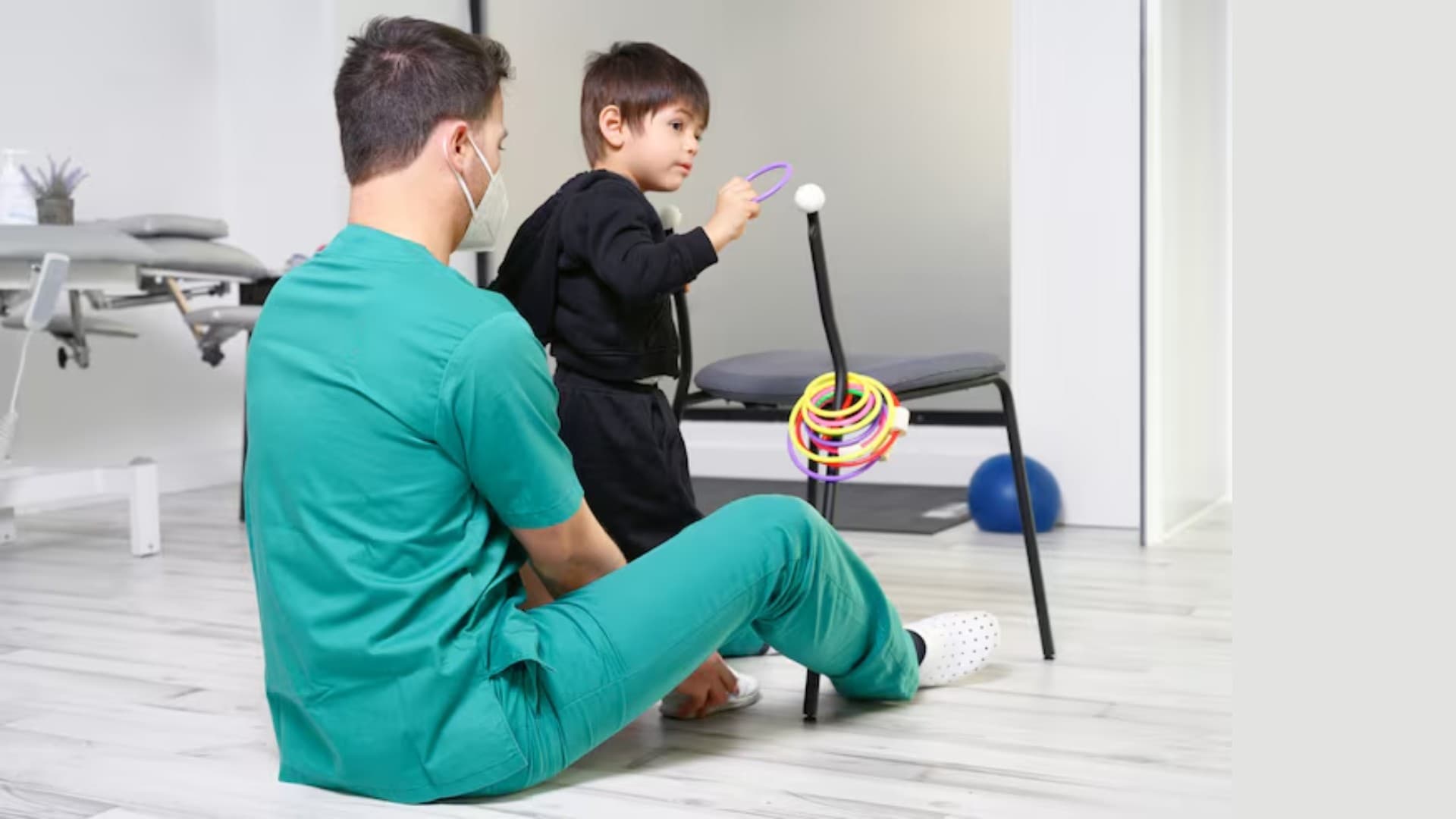
Recent Advances in Pediatric Physiotherapy for Children
Pediatric physiotherapy has experienced remarkable transformation over the past few years, with groundbreaking technological innovations and evidence-based treatment approaches revolutionizing how we support children with developmental challenges, neurological conditions, and physical disabilities.
Read More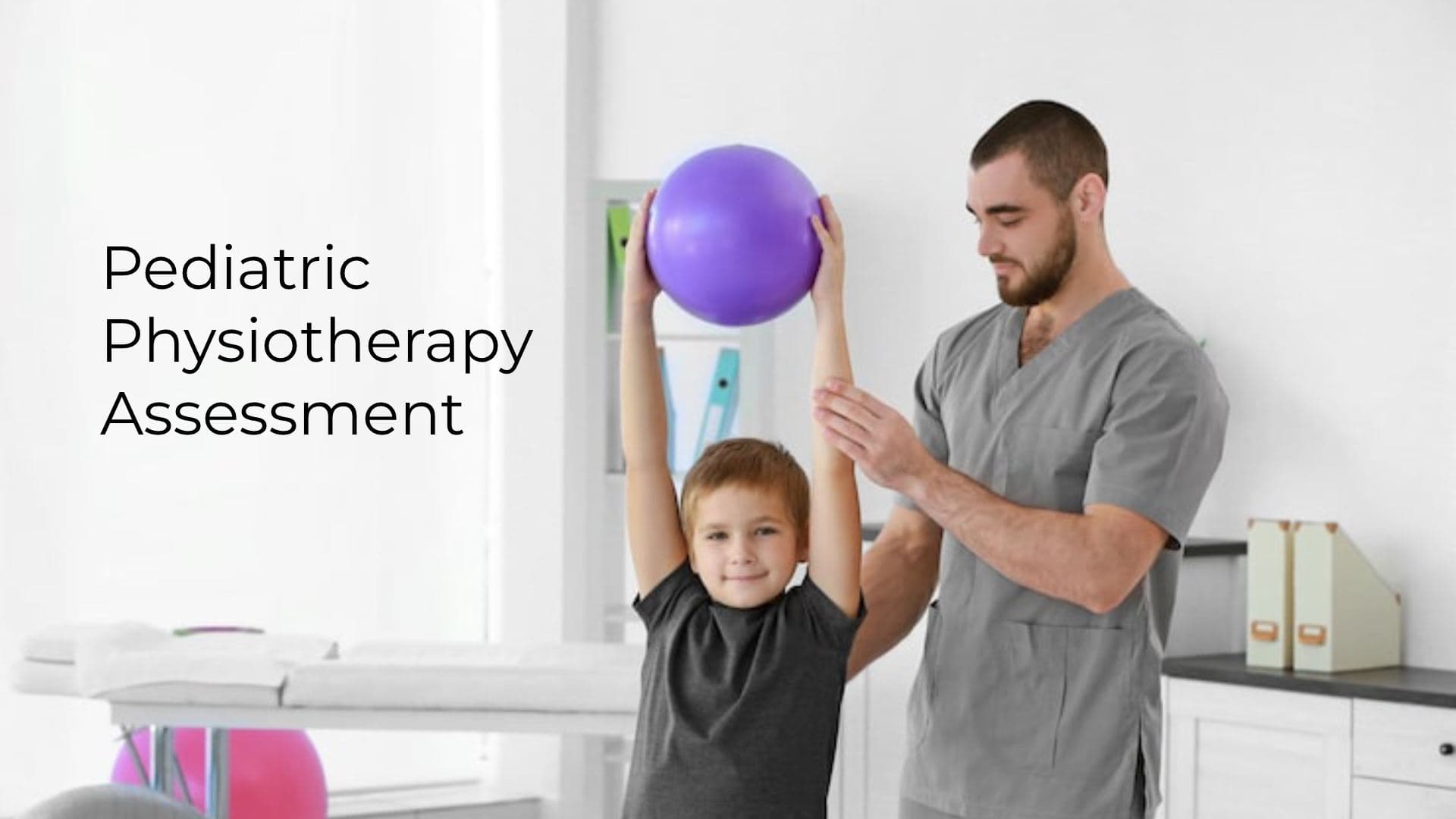
Pediatric Physiotherapy Assessment: A Complete Parent Guide
Understanding pediatric physiotherapy assessment is crucial for parents who want to ensure their child receives the best possible care for developmental delays, movement disorders, or physical challenges.
Read MoreNeed Professional Help?
Our expert physiotherapists are here to help you recover and stay healthy.