Athletic Taping: Benefits & Risks You Should Know
What is athletic taping ? Athletic Taping is the process of applying Rigid Tape directly/indirectly to the skin in order to maintain a stable position of bones and muscles during athletic activity.
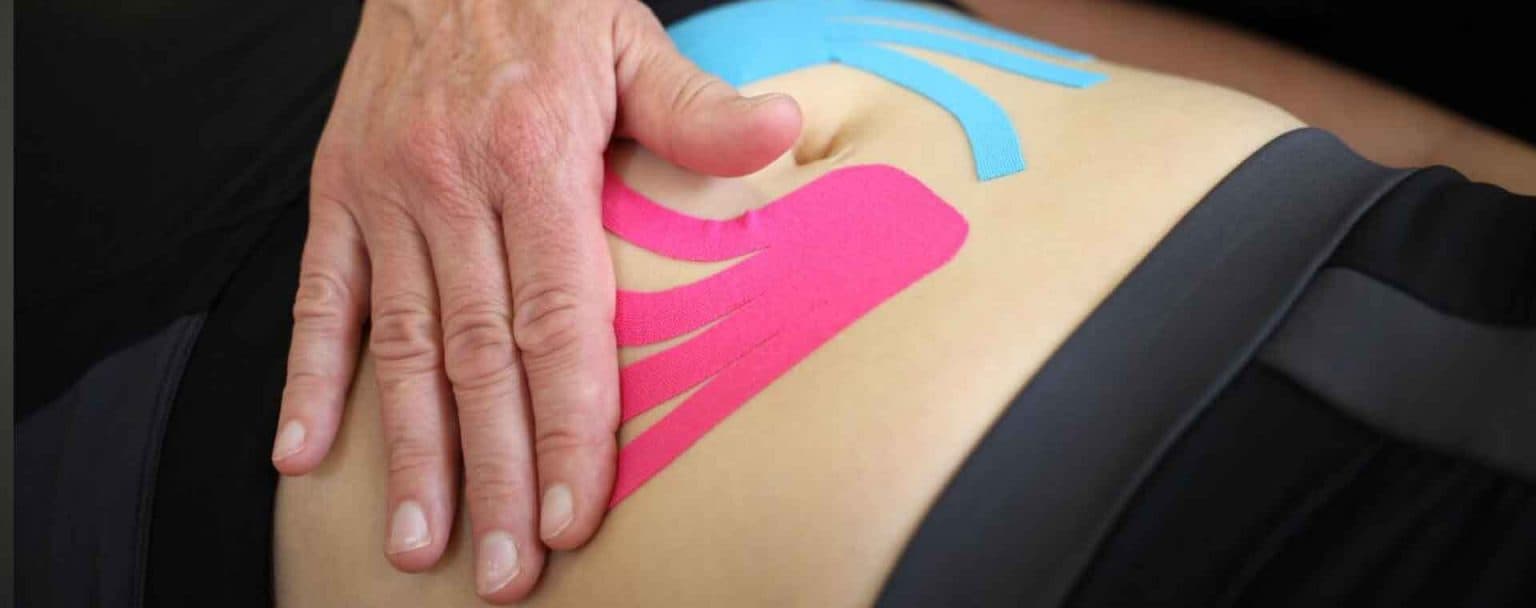
What is athletic taping ?
Athletic Tapingis the process of applying Rigid Tape directly/indirectly to the skin in order to maintain a stable position of bones and muscles during athletic activity.
It is a procedure that uses tape attached to the skin to physically keep in place muscles or bones at a certain position.
Most effective for instability or injury support.
This reduces pain and aids recovery.
Rigid strapping tape commonly used in taping or strapping is often referred to as “sports tape” or “athletic tape” and is most often a rigid style of strapping tape.
Athletic taping used to:
Relieve pain
Improve joint stability
Enhance athlete confidence
Reduce injury recurrence
Prevent injury
ADVANTAGES:
Injury Prevention:
Athletic taping is recognized as one of the top preventative measures for reduction of injuries in collision sports.
These injuries often occur as a result of extrinsic factors such as collision with other players or equipment.
Athletic taping has also been shown to reduce the severity in injuries, as well as the occurrence of injury in most sports.
Injury Management:
Tape is often applied to manage symptoms of chronic injuries such as medial tibial stress syndrome (shin splints), patella-femoral syndrome, and turf toe.
Pain Management:
Athletic tape can be applied to ease pain symptoms as well. Taping along the nerve tract of irritated or inflamed tissue can shorten the inflamed region and reduce pain.
Post-Injury benefits:
Stabilizing and supporting joints after injuries to the muscle or ligament
Assisting and allowing the athlete to return to activity after minor injuries
Preventing and reducing further harm to injured area
Maintaining proper biomechanics during activity
Preventing neuromuscular damage
Reducing force on the area during activity
DISADVANTAGES:
Incorrect athletic taping may lead to blistering or future injuries.
After activity and motion begins, the stiffness of the tape reduces.
Physiological dependency on using tape
Expensive, especially when it is needed frequently
9 rules for taping:
Tape joint in proper position
Position for stabilization
Overlap the tape by half
Avoid continuous taping
Keep tape roll in hand whenever possible
Allow tape to follow contours of the skin
Smooth and mold tape as it is laid down on skin
Always start taping with anchors
Always finish taping with locking strips
Do not apply tape if skin is hot or cold from treatments
Altered sensation
Altered circulation
Related Service
Orthopaedic Physiotherapy at Home
Book a certified physiotherapist for orthopaedic physiotherapy across Bangalore & Pune.
Related Articles
Types of Hydrotherapy in Physiotherapy: Methods, Benefits and Which One You Need
Hydrotherapy is more than soaking in warm water. Here are the main types physiotherapists use, which condition each one suits, who should avoid it, and what you can safely do at home.
Read More
Ortho and Neuro Physiotherapy: A Complete Guide to Conditions, Treatment and Home Recovery
Orthopaedic physiotherapy treats bones, joints and muscles; neurological physiotherapy retrains movement after brain, spinal cord or nerve damage. Here is how each works, where they overlap, and what to expect from home care.
Read More
Agonist and Antagonist in Physiotherapy: A Complete, Evidence-Based Guide
Every joint moves through a pair of muscles working in opposition. Here is what agonist and antagonist muscles are, how reciprocal inhibition works, and why their balance decides pain, posture and recovery.
Read MoreNeed Professional Help?
Our expert physiotherapists are here to help you recover and stay healthy.