AI Technology in Physiotherapy: How Smart Rehabilitation Is Changing Recovery in 2026
AI has quietly moved from research labs into everyday rehabilitation. Here is what smart physiotherapy actually does today, what the research really shows, where the limits are, and what it means for your own recovery.
Artificial intelligence has quietly moved from research labs into everyday rehabilitation. If you are recovering from surgery, managing back pain, or helping an elderly parent regain their mobility, you have probably wondered what all the talk about "smart" or "AI-driven" therapy actually means for you. The short answer is this: AI technology in physiotherapy is helping therapists assess movement more precisely, personalise treatment plans, and support patients between sessions, especially at home.
This guide explains, in plain language, how AI is being used in physiotherapy today, what the research really shows, where the limits are, and what it means if you are choosing a physiotherapist in 2026. We have kept the hype out and the evidence in, so you can make an informed decision about your own recovery.
What Is AI Technology in Physiotherapy?
Artificial intelligence in physiotherapy refers to computer systems that can analyse data, recognise patterns, and make predictions in ways that support clinical decision-making. In practice, this covers a family of technologies that work together: machine learning that learns from patient data, computer vision that reads movement from a camera, natural language processing that handles clinical notes, and wearable sensors that measure the body in real time.
It helps to think of AI not as a single product but as a capability layer. That layer can sit inside hardware such as robotic devices and wearable sensors, inside software such as tele-rehabilitation platforms, and inside consumer tools such as apps that guide your home exercises. A systematic review published in 2025 in the International Journal for Multidisciplinary Research described how AI, robotics, and wearable sensor technologies together are improving patient assessment, treatment personalisation, and recovery monitoring across the field.
The important thing to understand is that AI in physiotherapy is designed to assist the physiotherapist, not to replace clinical judgement. Physiopedia, one of the most trusted educational resources in the profession, frames it as a cultural shift toward data-driven, personalised care in which AI's analytical power is combined with the physiotherapist's clinical reasoning and hands-on skill.
How AI Is Being Used in Physiotherapy Today
AI is no longer a future possibility in rehabilitation. Here are the core applications already in use, backed by peer-reviewed research.
1. Movement and Motion Analysis
One of the most impactful uses of AI is movement analysis. Using computer vision from a smartphone or webcam, AI systems can watch a patient perform an exercise, measure joint angles, count repetitions, and flag incorrect form. Gait analysis systems can detect subtle walking patterns that may point to neurological conditions such as Parkinson's disease or cerebral palsy, according to Physiopedia. This kind of objective measurement helps a physiotherapist track progress with numbers rather than relying on the eye alone.
2. Wearable Sensors and Real-Time Biofeedback
Wearable devices such as inertial measurement units, accelerometers, gyroscopes, and electromyography sensors can track movement patterns, muscle activity, and posture continuously, even outside the clinic. This allows real-time biofeedback, so a patient knows in the moment whether they are performing an exercise correctly.
The evidence here is encouraging. A pilot study on shoulder adhesive capsulitis found that patients using a motion sensor device for home rehabilitation showed better shoulder mobility, improved functional recovery, and a higher exercise completion rate compared with a standard home exercise group. In a separate mixed methods evaluation of a wearable biofeedback system after knee replacement surgery, patients recorded a mean adherence rate of 79 percent and rated the system highly for usability.
3. Personalised, Data-Driven Treatment Plans
AI can analyse a patient's medical records and their response to previous treatments to help build a tailored rehabilitation program. Research published in a 2024 clinical review explained that machine learning algorithms can create custom care plans that increase compliance and strengthen clinical decision-making, with continuous feedback loops allowing the plan to adapt as the patient reports back. In other words, your program is less of a fixed handout and more of a living plan that adjusts to how you actually respond.
4. Virtual Physiotherapy Assistants for Home Rehabilitation
AI-driven virtual physiotherapy assistants combine wearable sensors and computer vision to guide patients through their exercises at home, then send progress reports to the supervising therapist. A 2025 narrative review in Annals of Translational Medicine, which screened 847 articles and analysed 31 peer-reviewed studies from 2018 to 2024, concluded that these assistants enhance treatment adherence, reduce the number of in-person clinic visits, and improve rehabilitation outcomes. This is one of the most promising areas for anyone recovering at home.
5. Predictive Analytics and Early Risk Detection
By combining injury history, demographic information, and sensor readings, predictive models can help forecast recovery timelines and flag patients who may be at risk of dropping out of their program or re-injuring themselves. A systematic review of AI in musculoskeletal diagnostics noted that AI tools can analyse X-rays, MRI scans, and videos of patients exercising to support more accurate assessment, reduce human error, and help identify conditions earlier.
6. Automated Documentation with Natural Language Processing
A large share of a physiotherapist's day is spent on paperwork. Natural language processing tools can now draft clinical notes and reports automatically from a session, which reduces the administrative burden and frees the therapist to focus on the patient. The benefit for you is simple: more of your therapist's attention goes into your treatment rather than into typing.
7. Robotic-Assisted Rehabilitation
For patients with neurological or complex musculoskeletal impairments, robotic devices and exoskeletons can support repetitive, high-intensity movement practice that would be physically demanding for a therapist to deliver by hand. These systems are more common in specialised centres than in home care, but they show how far technology-assisted rehabilitation has come.
The Real Benefits of AI in Physiotherapy for Patients
Most articles on this topic are written for clinic owners. Here is what AI-driven rehabilitation actually means for you as a patient.
Better exercise adherence. Non-compliance with home exercise programs is a well documented problem, reported in up to 60 percent of patients in some studies. When an AI assistant corrects your form, counts your reps, and gently reminds you, you are far more likely to actually do the exercises that make you recover.
More objective progress tracking. Instead of guessing whether your range of motion has improved, sensor data and movement analysis give measurable numbers. This keeps you motivated and helps your physiotherapist fine tune your plan.
Consistency between sessions. AI tools bridge the gap between appointments. Your therapist can review your at-home data before the next visit and adjust your program based on real evidence rather than memory.
Greater access to care. Tele-rehabilitation supported by AI makes expert guidance available to people who live far from a clinic, have mobility limitations, or simply prefer to recover in their own home.
Why AI and a Human Physiotherapist Work Best Together
It is tempting to imagine AI replacing the physiotherapist, but the evidence points in a different direction. AI is excellent at measurement, pattern recognition, and consistency. It is not able to reassure an anxious patient, feel how a joint is moving under its hands, adapt to a bad day, or motivate someone through a difficult week of recovery. Those human elements are the heart of good physiotherapy.
The strongest model is a hybrid one. AI handles the objective, repetitive, data-heavy tasks such as tracking your form and flagging concerns, while your physiotherapist provides the clinical reasoning, hands-on manual therapy, and personal support that technology cannot. Physiopedia makes exactly this point, noting that success lies not in replacing human expertise but in combining AI's analytical power with the physiotherapist's clinical reasoning and compassionate care. When you choose a provider, the goal is not a clinic with the most gadgets, but one that uses technology to make a skilled human therapist even more effective.
The Limitations and Honest Realities You Should Know
A trustworthy guide has to talk about the limits, not just the promise. Here is where AI in physiotherapy still falls short.
The clinical evidence is still emerging. Despite growing interest, high-quality trials remain limited. A systematic review that screened 9,054 articles found only 5 randomised controlled trials testing AI-supported rehabilitation. While those studies showed improvements in physical function, activity levels, pain management, and quality of life, the effects were inconsistent across different applications. AI in physiotherapy is real, but it is a young and evolving field.
Sensor accuracy has limits. Wearable sensors can struggle to capture subtle or delicate movements. A small misalignment in posture may go undetected, which can lead to inaccurate feedback. This is why supervision by a qualified physiotherapist remains essential rather than optional.
Data privacy matters. AI systems rely on large amounts of personal health data. Protecting the confidentiality of that information is a serious responsibility, and patients have every right to ask how their data is stored and used.
The digital divide is real. Reliable internet, a suitable device, and the cost of some AI tools can put them out of reach for certain patients. Affordability remains one of the main barriers to widespread adoption, as the 2025 Annals of Translational Medicine review noted.
It is not a replacement for hands-on care. For many conditions, especially post-surgical and neurological rehabilitation, skilled manual therapy and in-person assessment are irreplaceable. AI supports that care; it does not substitute for it.
What AI in Physiotherapy Means for Home-Based Recovery
Here is where these trends come together in a way that matters for everyday patients. Historically, the biggest weakness of home rehabilitation was the gap between sessions. Once the therapist left, patients were often left with a paper sheet of exercises, unsure whether they were doing them correctly, and easy to lose motivation.
AI-driven virtual assistants, wearable sensors, and tele-rehabilitation are closing that gap. Research consistently shows that these tools improve adherence and support recovery outside the clinic. For someone recovering from an ACL reconstruction or another sports injury, managing pain after orthopaedic surgery, or working through a neurological condition such as stroke or Parkinson's, this means more consistent, better guided recovery in the comfort of home.
The practical takeaway is that home physiotherapy in 2026 is no longer a compromise. When a skilled physiotherapist visits you in person and reinforces that care with smart progress tracking, you can get clinic-quality rehabilitation without the travel, waiting rooms, or stress. This is especially valuable for elderly patients, for whom a trip to the clinic can be exhausting and risky.
The Future of AI in Physiotherapy
The direction of travel is clear. Expect virtual assistants to integrate more tightly with tele-health platforms, sensors to become cheaper and more precise, and predictive models to become better at spotting who needs earlier intervention. Gamification, where recovery exercises are made more engaging through interactive challenges, is being explored to keep patients motivated over long rehabilitation journeys.
At the same time, the profession is calling for more robust real-world clinical trials before AI tools are fully trusted for every use. The most likely future is not robots replacing therapists, but physiotherapists equipped with better tools, delivering more personalised and accessible care than ever before.
Home Physiotherapy in Bangalore: Modern Care at Your Doorstep
If you are in Bangalore and looking for rehabilitation that combines skilled, hands-on physiotherapy with modern progress tracking, Physio At Your Doorstep brings expert care directly to your home. Our certified physiotherapists, led by Dr. Atharva Mishra, deliver personalised treatment plans for orthopaedic, sports, neurological, post-surgical, geriatric, and pregnancy-related conditions, all in the comfort of your own space.
We serve 40 plus areas across Bangalore, including Koramangala, HSR Layout, Whitefield, Indiranagar, JP Nagar, Jayanagar, BTM Layout, Bellandur, Marathahalli, and Electronic City, with same-day home visits available and support around the clock. You get the benefit of a qualified human therapist who understands the value of technology in tracking your recovery, without giving up the personal, hands-on care that real physiotherapy requires.
Ready to start your recovery at home? Explore our physiotherapy services, check whether we serve your area, or book an appointment today. You may be anywhere in Bangalore, and our physio will be there.
Helpful Resources
For readers who want to explore the research and background in more depth, the following are useful starting points:
- AI in Physiotherapy — Physiopedia
- Enhancing home rehabilitation through AI-driven virtual assistants: a narrative review (Annals of Translational Medicine, 2025)
- Integration of Artificial Intelligence for Diagnostic Methods in Musculoskeletal Conditions: A Systematic Review
You can also read our related guide on home physiotherapy for the elderly in Bangalore, or browse all our physiotherapy articles for more expert advice.
Frequently Asked Questions
Will AI replace physiotherapists?
No. Current research and professional consensus agree that AI supports physiotherapists rather than replacing them. AI is strong at measurement, tracking, and pattern recognition, while diagnosis, manual therapy, clinical judgement, and human motivation remain the physiotherapist's role. The best outcomes come from combining the two.
Is AI-driven physiotherapy safe and effective?
The evidence so far is promising but still developing. Studies show improvements in exercise adherence, functional recovery, and patient engagement, particularly for home rehabilitation. However, high-quality randomised trials are still limited, and sensor accuracy has boundaries. AI is safest and most effective when it is used under the supervision of a qualified physiotherapist.
How does AI help with home physiotherapy?
AI-driven virtual assistants and wearable sensors can guide you through your exercises at home, correct your form in real time, track your progress, and share that data with your therapist. This improves adherence and helps close the gap between in-person sessions, so your recovery stays on track between visits.
Can AI diagnose my condition?
AI can support diagnosis by analysing X-rays, MRI scans, movement videos, and sensor data, which can improve accuracy and help catch problems earlier. However, it does not replace a qualified physiotherapist's clinical assessment. A proper diagnosis should always be confirmed by a trained professional.
What conditions benefit most from AI-assisted physiotherapy?
Research points to strong potential in musculoskeletal conditions, post-surgical rehabilitation such as knee and shoulder recovery, sports injuries, neurological conditions including stroke and Parkinson's, and geriatric mobility programs. Movement analysis and adherence support are useful across almost any rehabilitation program.
Is my personal data safe with AI physiotherapy tools?
Reputable providers take data protection seriously, but you should always ask how your information is collected, stored, and used. Patient confidentiality is a recognised ethical requirement, since AI systems rely on large amounts of personal health data.
Do I need expensive equipment to benefit from AI in physiotherapy?
Not necessarily. Many virtual assistant tools work through a standard smartphone camera, and your physiotherapist can bring the expertise and any needed equipment to your home. Cost and access do remain barriers for some patients, which is why a hands-on therapist who uses technology sensibly offers the best value.
Related Service
Orthopaedic Physiotherapy at Home
Book a certified physiotherapist for orthopaedic physiotherapy across Bangalore & Pune.
Related Articles

Actinotherapy vs Heliotherapy in Physiotherapy: Key Differences, Uses, and Which One Is Right for You
Actinotherapy and heliotherapy both use light to trigger healing, but they are not the same treatment. Here is how each works, a side-by-side comparison of their uses and contraindications, and how a physiotherapist decides which is right for you.
Read More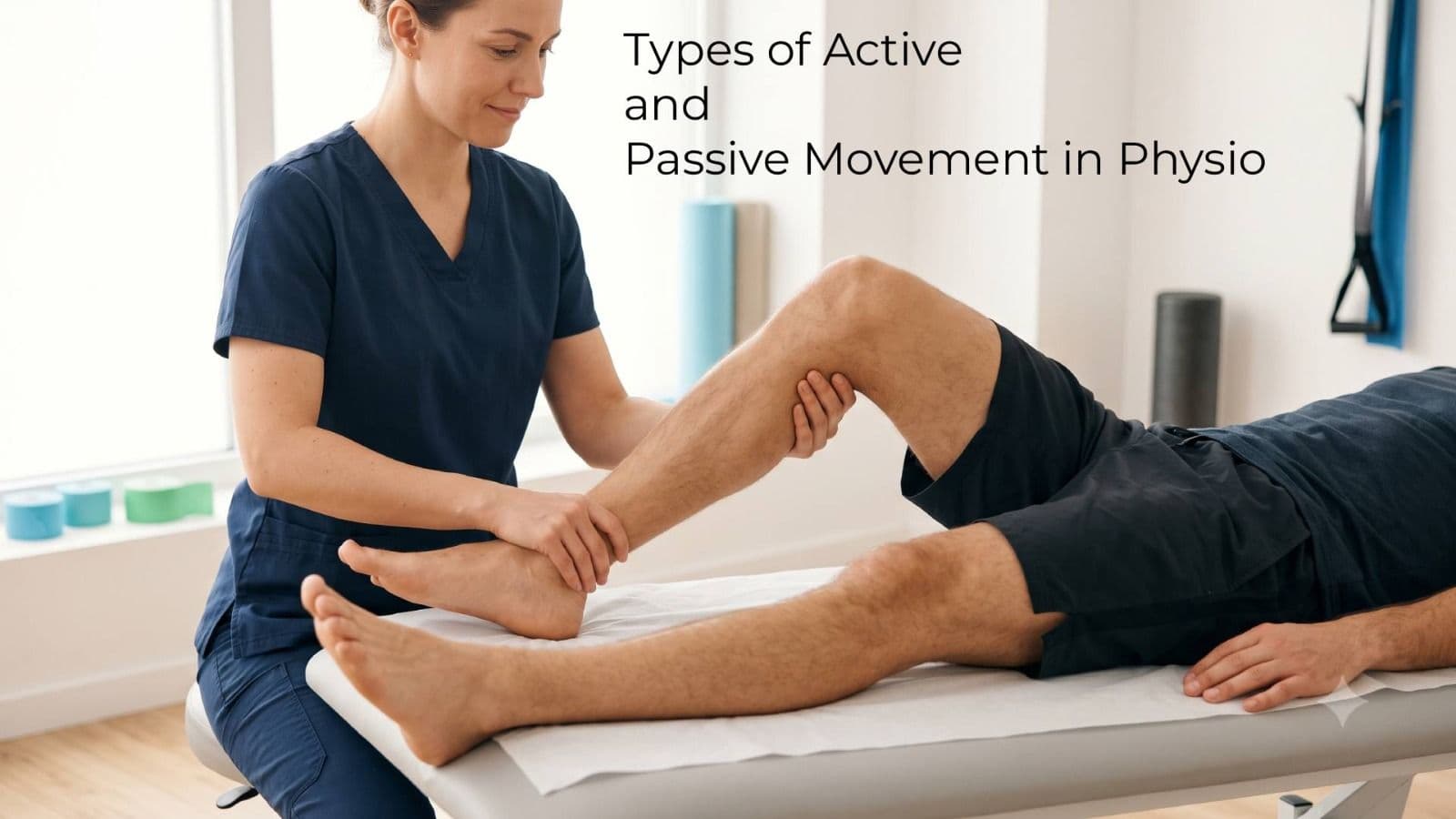
Types of Active and Passive Movement in Physio: A Complete Guide
Passive movement, active movement, and the shades in between form the backbone of almost every physiotherapy program. Here is every type of movement used in physio, the science behind each, and how a therapist decides which fits which stage of recovery.
Read More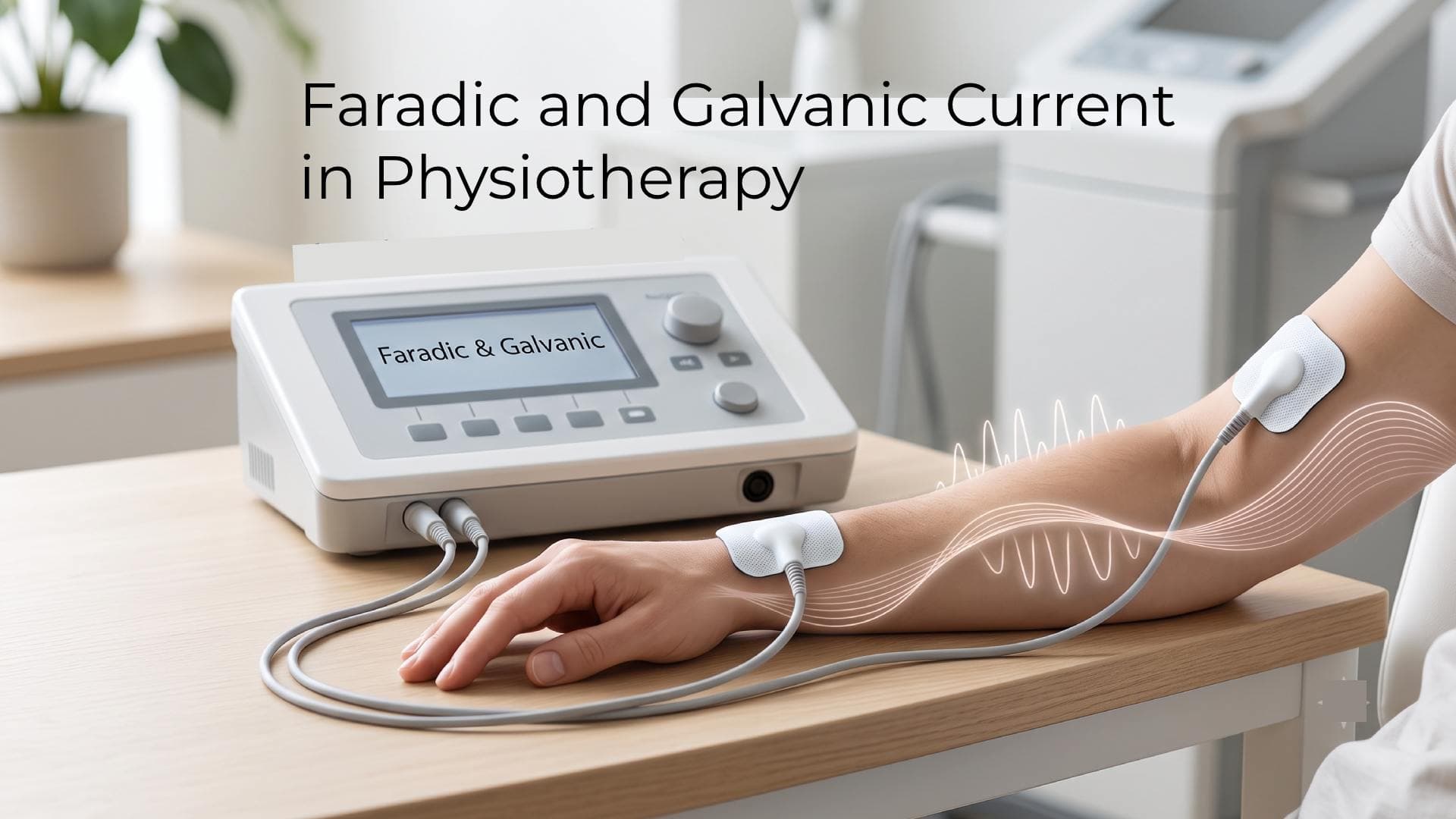
Faradic and Galvanic Current in Physio Care Guide 26
Electricity has been part of medical treatment for far longer than most people realize, and in modern physiotherapy, two of its oldest and most reliable applications are faradic current and galvanic current. If you have ever had a physiotherapist place small electrode pads on your skin and felt a ge
Read MoreNeed Professional Help?
Our expert physiotherapists are here to help you recover and stay healthy.