Cardiopulmonary Physiotherapy: A Complete Guide to Heart and Lung Rehabilitation
Cardiopulmonary physiotherapy uses breathing retraining, airway clearance and graded exercise to rebuild stamina after heart and lung illness. Here is who needs it, what treatment involves, and when home care is safe.
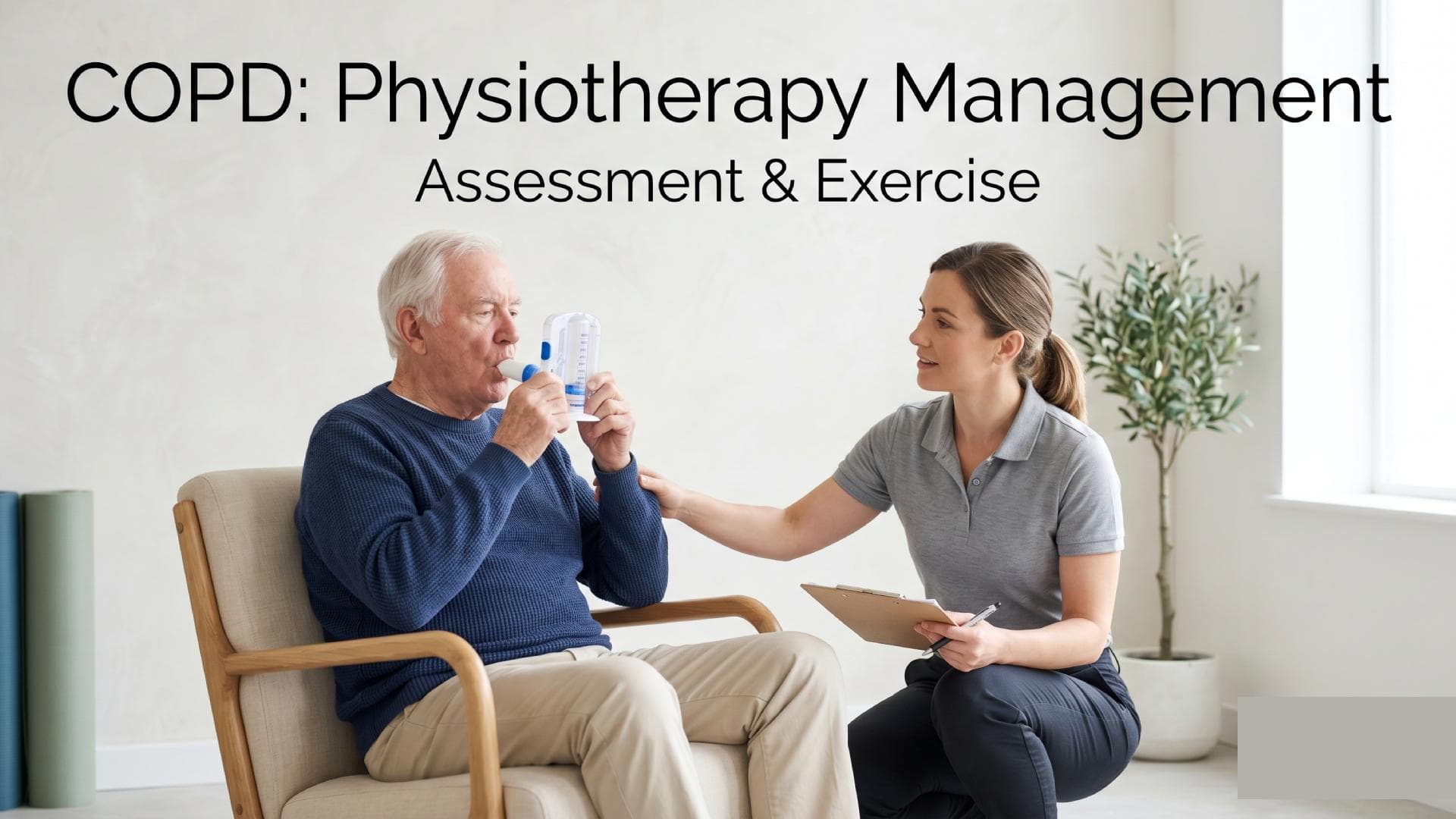
Cardiopulmonary physiotherapy is a specialised branch of physiotherapy that assesses, treats and rehabilitates people with heart and lung conditions. It uses breathing techniques, airway clearance, supervised exercise and education to improve breathing, stamina and independence. It is also called cardiorespiratory physiotherapy, and it covers both cardiac rehabilitation and pulmonary rehabilitation.
This guide explains who needs it, what treatment involves, what the research says, and how it can be delivered safely at home.
Key Takeaways
- Cardiopulmonary physiotherapy helps people with conditions such as COPD, asthma, bronchiectasis, pneumonia recovery, heart failure, and recovery after a heart attack or heart surgery.
- Core methods include breathing retraining, airway clearance, early mobilisation and graded exercise training.
- Strong research supports exercise-based cardiac and pulmonary rehabilitation for fewer hospital admissions and better quality of life.
- Home-based programmes can work as well as centre-based ones for many stable patients, with proper screening and monitoring.
- Chest pain, fainting or sudden severe breathlessness are emergencies. Seek hospital care first.
What Is Cardiopulmonary Physiotherapy?
The cardiopulmonary system is the partnership between the heart and the lungs. The lungs take oxygen in, the heart pumps it around the body, and the muscles use it to move. When either organ is weakened by illness, surgery or long bed rest, everyday tasks such as climbing stairs or walking to the shop become exhausting.
University and hospital sources describe cardiopulmonary physiotherapy as a specialised area focused on the assessment, treatment and rehabilitation of people with cardiovascular and respiratory conditions, with the aim of improving cardiorespiratory function, exercise tolerance and quality of life. It is used in intensive care units, hospital wards, outpatient departments, clinics and home care.
Cardiopulmonary, cardiorespiratory and chest physiotherapy: are they the same?
These terms overlap, and people often use them interchangeably:
- Cardiopulmonary physiotherapy and cardiorespiratory physiotherapy mean the same field: care for the heart and lungs together.
- Chest physiotherapy is a narrower term that usually means techniques to clear mucus and improve ventilation, such as positioning and breathing exercises.
- Respiratory physiotherapy focuses on the lungs and breathing.
- Cardiac rehabilitation focuses on the heart and is built mainly around supervised exercise, education and risk-factor control.
Cardiac vs Pulmonary Physiotherapy at a Glance
| Feature | Cardiac Rehabilitation | Pulmonary Physiotherapy and Rehabilitation |
|---|---|---|
| Main focus | Heart health, stamina, safe return to activity | Breathing, airway clearance, lung capacity |
| Typical patients | After heart attack, stent, bypass or valve surgery, heart failure | COPD, asthma, bronchiectasis, pneumonia, pulmonary fibrosis, post-COVID |
| Core methods | Graded aerobic and resistance exercise, education, risk-factor advice | Breathing control, airway clearance, inspiratory muscle training, exercise |
| Key monitoring | Heart rate, blood pressure, symptoms, effort level | Breathlessness, oxygen saturation, cough and sputum |
| Common goals | Lower readmission risk, better fitness, confidence | Less breathlessness, fewer chest infections, better daily function |
Why It Matters
Heart and lung disease are among the most common reasons people lose independence. The World Health Organization estimates that about 2.4 billion people live with conditions that could benefit from rehabilitation, and that this number has risen by about two thirds over three decades, driven by ageing, long-term illness and injury. Coronary heart disease is described by Cochrane researchers as the single most common cause of death globally.
The good news is that rehabilitation changes outcomes. The next sections show how.
Who Needs Cardiopulmonary Physiotherapy?
Lung and airway conditions
- Chronic obstructive pulmonary disease (COPD) and chronic bronchitis (see our COPD physiotherapy guide)
- Asthma with ongoing breathlessness or reduced exercise capacity
- Bronchiectasis and other conditions with excess mucus
- Pneumonia recovery and recurrent chest infections
- Pulmonary fibrosis and other interstitial lung diseases
- Post-COVID breathlessness and fatigue
Heart conditions
- Recovery after a heart attack or angioplasty with stent
- Recovery after bypass (CABG) or heart valve surgery
- Heart failure that is clinically stable
- Long-term coronary artery disease (see cardiac rehabilitation physiotherapy)
Surgical and critical illness recovery
- After chest or upper abdominal surgery, when pain and shallow breathing raise the risk of lung complications
- After a stay in intensive care, when muscles have weakened
- Prolonged bed rest in older adults
Overlap with other conditions
- Stroke patients who cough weakly or breathe shallowly can develop chest infections. Our neurological physiotherapy team can combine chest care with movement retraining.
- Frail seniors often need chest care alongside balance and strength work through geriatric physiotherapy.
- After operations, post surgical physiotherapy can include breathing exercises and early walking.
Core Techniques Used in Cardiopulmonary Physiotherapy
According to a recent review of the field, evidence-based interventions include exercise training, respiratory muscle training, airway clearance techniques, breathing exercises, early mobilisation and patient education.
1. Breathing control and breathing retraining
Techniques such as diaphragmatic (belly) breathing and pursed-lip breathing help slow the breathing rate, reduce the work of breathing and ease the feeling of breathlessness. They are simple to learn and easy to practise at home.
2. Airway clearance
When mucus builds up, it blocks airways and invites infection. Therapists teach methods such as the Active Cycle of Breathing Technique, supported coughing, huffing and gravity-assisted positioning. Paediatric guidance describes positioning, percussion and vibrations as ways to loosen mucus and move it out of the airways. You can read a detailed walkthrough in our guide to ACBT in physiotherapy, and browse related reading in the pulmonary physiotherapy blog category.
3. Inspiratory muscle training and lung expansion
Some patients use handheld resistance devices or incentive breathing exercises to strengthen breathing muscles and open the lower parts of the lungs, especially after surgery.
4. Graded aerobic exercise
Walking, cycling or marching on the spot, started at a safe level and increased step by step. The different types of aerobic training in physiotherapy are covered in a separate guide. Intensity is guided by heart rate, breathlessness scales and the "talk test": you should be able to speak in short sentences while exercising.
5. Strength training
Light resistance work for the legs, arms and trunk reduces the effort of daily tasks and protects against falls.
6. Positioning and energy conservation
Sitting forward with arms supported can ease breathlessness. Pacing, planning rest breaks and sequencing tasks helps patients get through the day with less fatigue.
7. Education and self-management
Understanding medicines, inhaler technique, warning signs, vaccination advice, diet and smoking cessation is part of good care. Risk-factor modification, such as quitting smoking, managing weight, reducing stress and taking medicines regularly, is a stated objective of cardiopulmonary programmes.
What Does the Research Say?
Cardiac rehabilitation
A Cochrane review of 107 randomised trials involving 26,886 people with coronary heart disease found that exercise-based cardiac rehabilitation reduced heart attacks by 28 percent and all-cause hospital admissions by 35 percent compared with no programme, and probably reduces deaths. Benefits were also seen across several quality-of-life measures.
An earlier overview of six high-quality Cochrane reviews covering 148 trials and 97,486 participants concluded that exercise-based cardiac rehabilitation is effective and safe for clinically stable people with heart failure or after a heart attack or stent.
Pulmonary rehabilitation
For people with COPD who have just had a flare-up, a Cochrane review found moderate-quality evidence that pulmonary rehabilitation reduced hospital readmissions and high-quality evidence that it improves health-related quality of life, with moderate to large effects on exercise capacity.
One earlier Cochrane analysis reported a mean improvement of about 78 metres in the six-minute walk test, which is above the level considered meaningful. The authors noted that the studies were small and of moderate quality, so results should be read with that in mind.
Is home-based rehab as good as centre-based?
For cardiac patients, the evidence is encouraging. The Cochrane overview found home- and centre-based programmes equally effective for quality of life at similar cost, and the newer review concluded that home-based and digitally supported programmes can be just as effective as traditional centre-based services. Those newer trials included participants in low- and middle-income countries, which is relevant for India.
An honest note: These findings apply mostly to stable patients who have been screened by their doctor. Home rehab does not replace emergency care or hospital treatment, and some patients, such as those with unstable angina or uncontrolled arrhythmias, need medical clearance first.
Is Home Cardiopulmonary Physiotherapy Right for You?
Home care often suits you if:
- Your doctor has said you are medically stable.
- Travel to a hospital or clinic is tiring, painful or risky.
- You are an older adult, or recovering from surgery, illness or a long hospital stay.
- You need a caregiver to learn techniques, such as supported coughing or positioning.
- You want therapy in the real setting where you get breathless: stairs, bathroom, kitchen.
You may need hospital-based care first if:
- You have chest pain at rest, new or worsening heart failure symptoms, or an unstable heart rhythm.
- You need continuous oxygen titration, ventilator support or intensive monitoring.
- Your doctor has not yet cleared you for exercise.
A responsible provider will tell you when your needs go beyond what home care can safely deliver.
What Happens in a Home Session?
- Review of history and reports: Diagnosis, discharge summary, ECG or echo findings, scans, medicines and any activity restrictions from your doctor.
- Baseline checks: Resting heart rate, breathing rate, blood pressure and oxygen saturation where appropriate, plus a breathlessness score.
- Functional tests: A short walk test, sit-to-stand test or similar measure to track progress over time.
- Goal setting: Practical goals such as climbing one flight of stairs or walking to the park without stopping.
- Treatment: Breathing exercises, airway clearance if needed, and gentle graded exercise with monitoring during and after.
- Teaching and a home plan: Short daily routines, pacing advice and clear stop rules.
Typical stop rules: Your therapist should explain when to stop exercise, such as chest pain or pressure, dizziness, fainting, unusual breathlessness that does not settle with rest, palpitations or a sudden drop in energy.
How Long Does Cardiopulmonary Rehab Take?
There is no single answer. Many structured programmes run for several weeks to a few months, with sessions two to three times a week, followed by a home routine to keep the gains. The pace depends on diagnosis, severity, age, fitness, other illnesses and how consistently you practise. Chronic conditions like COPD or heart failure need long-term maintenance rather than a one-time course.
Warning Signs: When to Seek Emergency Care
Go to the nearest hospital or call emergency services immediately if you have:
- Chest pain, pressure or tightness, especially with sweating, nausea or pain spreading to the arm or jaw
- Sudden severe breathlessness or inability to speak in full sentences
- Fainting, new confusion or blue or grey lips
- Coughing up blood
- A swollen, painful calf with sudden breathlessness
- A rapid, irregular heartbeat with dizziness
Tips to Support Your Recovery at Home
- Follow your doctor's medicines and inhaler instructions exactly.
- Practise breathing exercises daily, not only on bad days.
- Walk a little each day, at a pace where you can still talk.
- Avoid smoking and second-hand smoke. Dust, fumes and strong smells can also aggravate symptoms in some people.
- Keep vaccinations up to date, as advised by your doctor.
- Eat regular, balanced meals and stay hydrated unless you have been told to restrict fluids.
- Keep a simple diary of breathlessness, steps walked and symptoms to share with your therapist.
Home Cardiopulmonary Physiotherapy in Bangalore
If you live in Bangalore, heavy traffic and long journeys can make regular hospital visits hard, especially while you are breathless, weak or recovering from surgery. Physio At Your Doorstep brings pulmonary physiotherapy and cardiac rehabilitation to your home, office or any location you choose across the city.
Our qualified physiotherapists can support people who are recovering from chest infections and pneumonia, living with long-term breathing problems, or regaining strength after surgery or a long illness. We serve 40+ areas, including Koramangala, HSR Layout, Indiranagar, Whitefield, JP Nagar, BTM Layout, Jayanagar, Bellandur, Marathahalli and Electronic City. See the full list on our locations page.
Booking is simple:
- Call or WhatsApp +91 82337 87737 and tell us the diagnosis, your doctor's advice and your area.
- We match you with a suitable physiotherapist.
- The therapist visits at a convenient time, assesses you and begins your plan at home.
We are available 24x7, including weekends, and same-day visits can often be arranged depending on therapist availability. Book an appointment or contact us today. You can also read about our team on the About Us page.
Frequently Asked Questions
What is cardiopulmonary physiotherapy?
It is a branch of physiotherapy that assesses and treats people with heart and lung conditions using breathing techniques, airway clearance, graded exercise and education. It aims to improve breathing, stamina, independence and quality of life.
What is the difference between cardiopulmonary and cardiorespiratory physiotherapy?
There is no real difference. Both terms describe care for the heart and lungs together. You may also see the terms cardiac rehabilitation, pulmonary rehabilitation, respiratory physiotherapy and chest physiotherapy, which cover parts of the same field.
Which conditions does cardiopulmonary physiotherapy treat?
Common examples include COPD, asthma, bronchiectasis, pneumonia recovery, post-COVID breathlessness, heart failure, recovery after a heart attack, stent, bypass or valve surgery, and lung complications after surgery or intensive care.
Is cardiopulmonary physiotherapy safe after a heart attack or heart surgery?
For clinically stable patients, research shows exercise-based cardiac rehabilitation is effective and safe. Your cardiologist or surgeon should clear you first, and your physiotherapist will start at a low level and monitor your response closely.
Can I do cardiopulmonary physiotherapy at home?
Often yes, for stable patients. Cochrane evidence suggests home-based cardiac rehabilitation can be as effective as centre-based programmes for quality of life. Home care is not suitable for unstable conditions or patients who need intensive monitoring.
How does physiotherapy help COPD?
It teaches breathing control, airway clearance and pacing, and builds leg and arm strength through exercise. Research on pulmonary rehabilitation shows better exercise capacity and quality of life, and lower readmission rates after flare-ups.
Does chest physiotherapy hurt?
It should not be painful. You may feel tired or cough more as mucus loosens. If you feel sharp pain, dizziness or unusual breathlessness, tell your therapist right away.
How many sessions will I need?
It depends on your condition and goals. Many programmes last several weeks to a few months, followed by a home routine. Your therapist should reassess progress regularly and adjust the plan.
What should I keep ready before the first visit?
Keep your discharge summary, prescriptions, ECG, echo or X-ray reports, and a list of your medicines. Note your symptoms, your triggers and any activity advice from your doctor.
Can physiotherapy replace medicines or inhalers?
No. Physiotherapy works alongside medical treatment. Never stop or change medicines without your doctor's advice.
This article is for general education and does not replace medical advice. Please consult your doctor or a qualified physiotherapist about your specific condition.
Resources and Further Reading
On our website
- Pulmonary Physiotherapy service
- ACBT in Physiotherapy: A Complete Guide to the Active Cycle of Breathing Technique
- Pulmonary Physiotherapy blog category
- Neurological Physiotherapy
- Geriatric Physiotherapy
- Post Surgical Physiotherapy
- All Blogs
External references
- Cochrane Review (2025): Exercise-based cardiac rehabilitation for coronary heart disease, led by the University of Glasgow (cochrane.org news summary and gla.ac.uk)
- Anderson L, Taylor R. Cardiac rehabilitation for people with heart disease: an overview of Cochrane systematic reviews. International Journal of Cardiology, 2014
- Puhan M et al. Pulmonary rehabilitation following exacerbations of chronic obstructive pulmonary disease. Cochrane Database of Systematic Reviews, CD005305
- World Health Organization: Rehabilitation in the context of WHO's mandate (who.int)
- Role of Physiotherapy in Cardiopulmonary Patients: An Essential Component of Comprehensive Care (nepjol.info)
- AboutKidsHealth: Cardiopulmonary physiotherapy treatment (CPT) in a baby (aboutkidshealth.ca)
Related Service
Pulmonary Physiotherapy at Home
Book a certified physiotherapist for pulmonary physiotherapy across Bangalore & Pune.
Related Articles
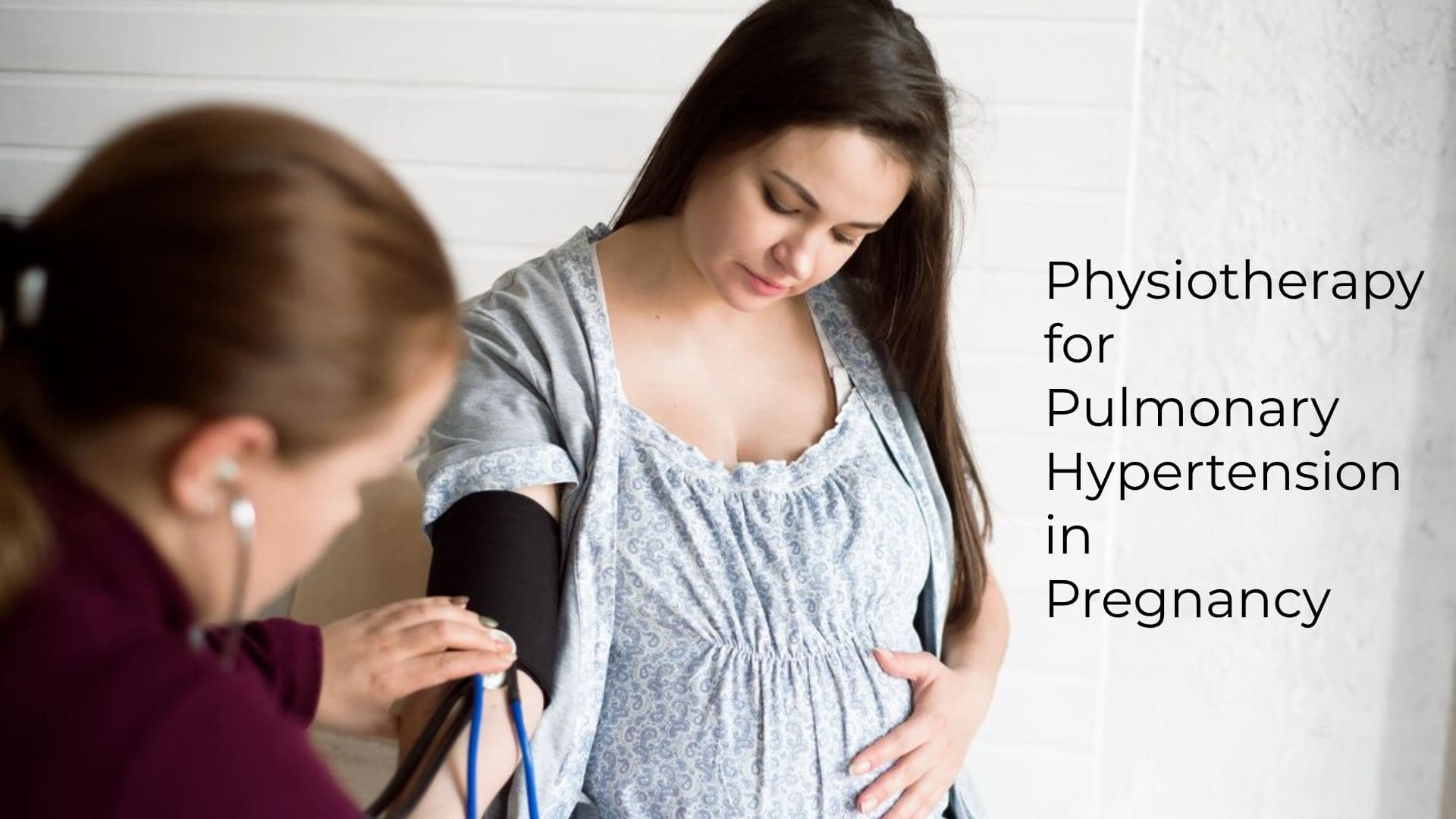
ACBT in Physiotherapy: A Complete Guide to the Active Cycle of Breathing Technique
ACBT is one of the most widely used airway clearance techniques in respiratory physiotherapy, and it needs no equipment at all. Here are its three phases, how to perform it at home, who it helps, and what the research actually shows.
Read More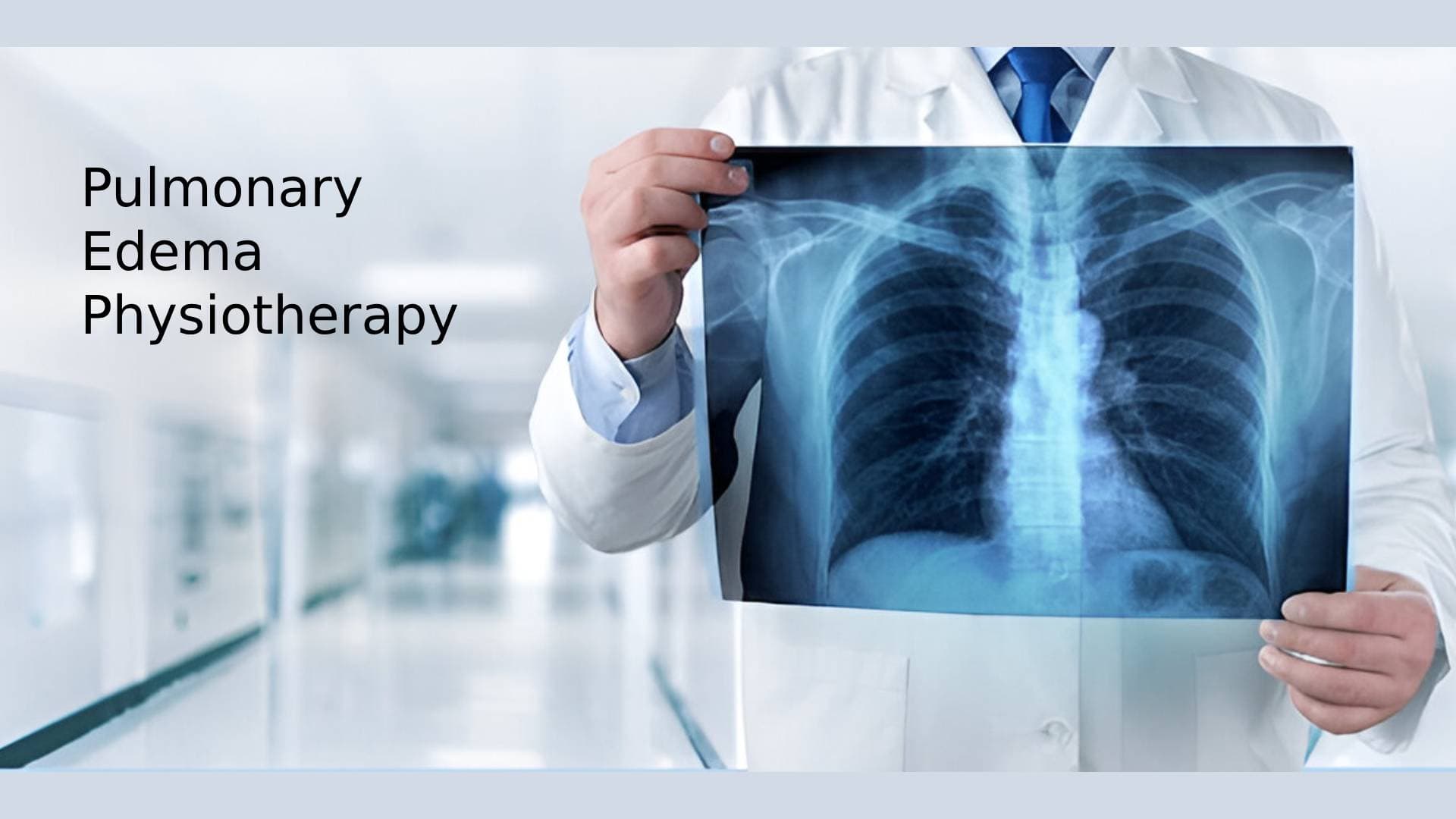
Pulmonary Edema Physiotherapy: Complete Recovery Guide
Introduction to Pulmonary Edema What is Pulmonary Edema? Pulmonary edema is a serious condition that happens when excess fluid collects in the lungs’ air sacs, making it tough to breathe. It’s not a disease on its own but a complication that usually stems from other medical issues, most often heart
Read More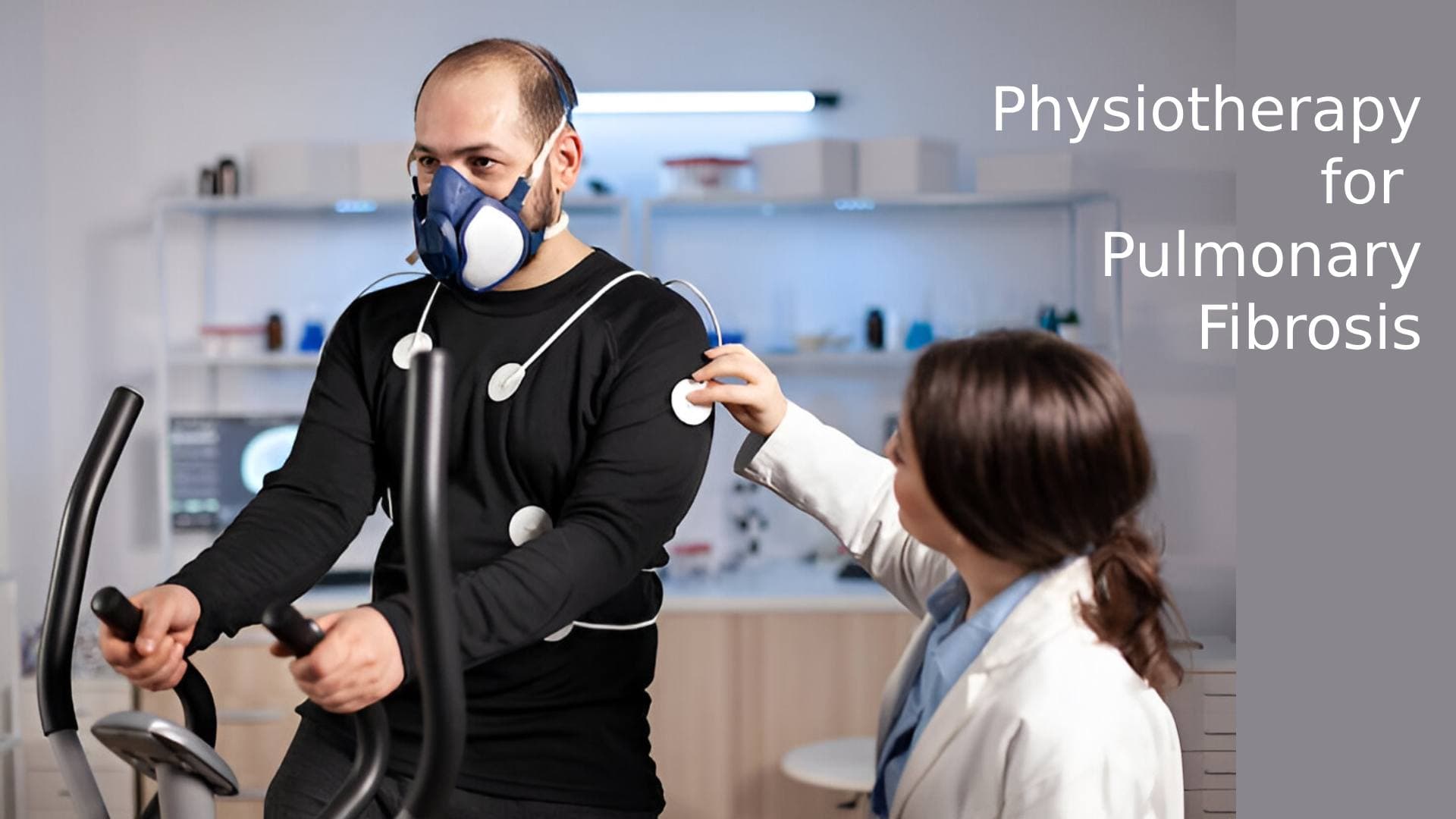
Physiotherapy for Pulmonary Fibrosis: Causes, Symptoms & Recovery
Pulmonary fibrosis is a chronic and progressive lung disease that causes scarring of lung tissue, leading to difficulty in breathing. Managing this condition requires a multidisciplinary approach, and physiotherapy is crucial in improving lung function, reducing symptoms, and enhancing the quality of life.
Read MoreNeed Professional Help?
Our expert physiotherapists are here to help you recover and stay healthy.