Pulmonary Physiotherapy at Home – Improving Breathing Efficiency & Lung Health
Pulmonary physiotherapy is a specialised rehabilitation approach designed to improve respiratory function, breathing efficiency, and physical endurance in individuals with acute or chronic lung conditions. Respiratory illnesses can significantly affect daily activities, energy levels, and overall quality of life. Pulmonary physiotherapy supports better breathing mechanics, airway clearance, and functional independence through structured, evidence-based care.
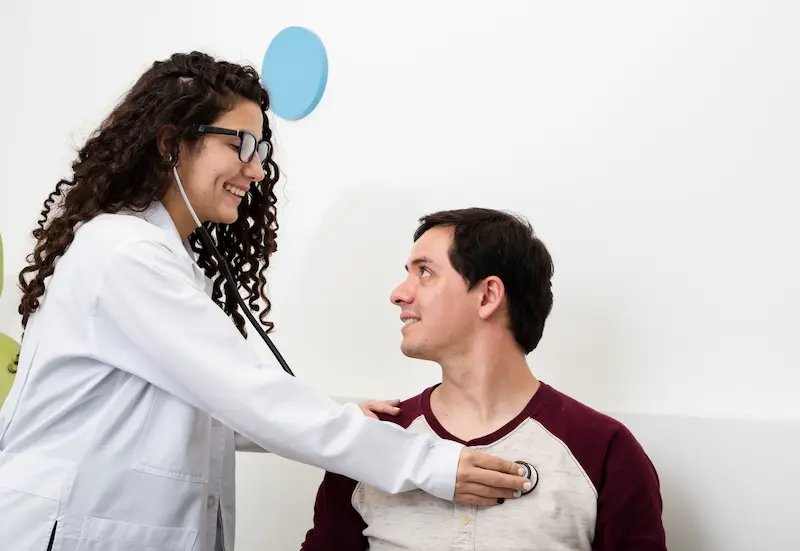
Home-based pulmonary physiotherapy allows patients to receive personalised respiratory care in a comfortable and controlled environment, reducing exposure risks and improving therapy adherence.
What Is Pulmonary Physiotherapy?
Pulmonary physiotherapy focuses on optimising lung function by improving ventilation, clearing airway secretions, and enhancing overall physical conditioning. It is commonly recommended for individuals with chronic respiratory conditions, post-infection weakness, and neuromuscular disorders that affect breathing.
Therapy programs are tailored to the individual’s diagnosis, respiratory capacity, endurance level, and overall health status.
Why Pulmonary Physiotherapy Is Important
Respiratory conditions often lead to shortness of breath, fatigue, reduced exercise tolerance, and decreased participation in daily activities. Without appropriate intervention, these issues can worsen physical deconditioning and increase dependency.
Pulmonary physiotherapy helps to:
- Improve breathing efficiency
- Reduce breathlessness during activity
- Enhance airway clearance
- Improve oxygen utilisation
- Increase endurance and activity tolerance
- Support independence in daily life
Conditions Treated in Pulmonary Physiotherapy
- Chronic obstructive pulmonary disease (COPD)
- Bronchiectasis
- Cystic fibrosis
- Post-pneumonia recovery
- Post-COVID respiratory weakness
- Neuromuscular conditions affecting breathing
- Post-hospitalisation respiratory deconditioning
Pulmonary Physiotherapy Treatment Approach
Treatment plans may include:
- Breathing retraining and diaphragmatic breathing
- Airway clearance techniques
- Postural drainage (when indicated)
- Gentle endurance and mobility exercises
- Energy conservation strategies
- Education on breathing control during activities
Therapy intensity is adjusted to individual tolerance and medical guidance.
Benefits of Home-Based Pulmonary Physiotherapy
- Comfortable and familiar environment
- Reduced exposure to infections
- Individualised pacing and monitoring
- Family education and involvement
- Improved therapy consistency
Safety, Ethics & Clinical Disclaimer
Pulmonary physiotherapy is provided after clinical assessment and in coordination with medical care. It complements respiratory treatment and does not replace physician-prescribed medication or medical management.
Pulmonary Physiotherapy at Home Near You
Our physiotherapists visit homes across these areas. Pick yours for local details and availability.
Bangalore
Frequently Asked Questions
Related Articles
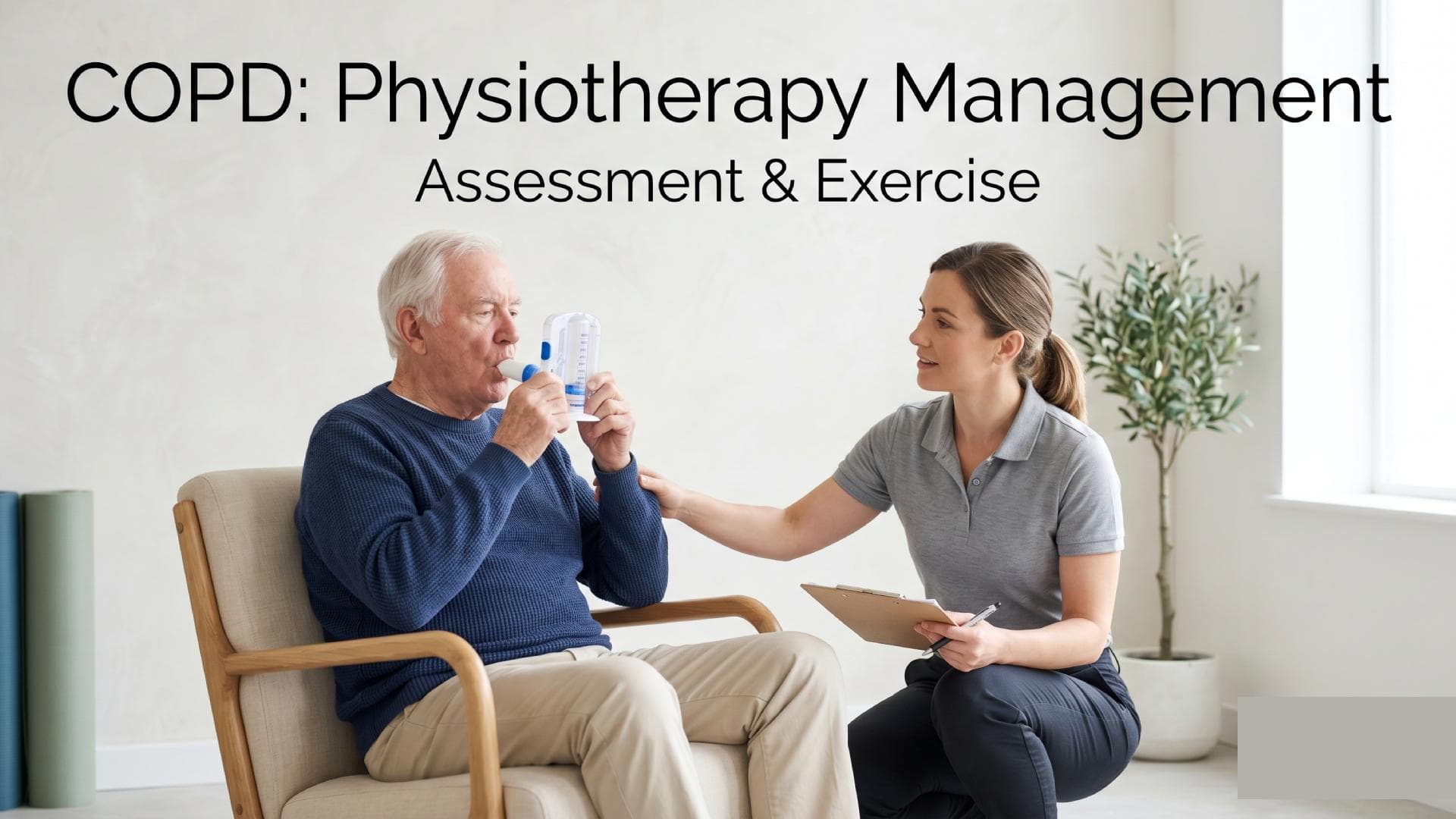
Cardiopulmonary Physiotherapy: A Complete Guide to Heart and Lung Rehabilitation
Cardiopulmonary physiotherapy uses breathing retraining, airway clearance and graded exercise to rebuild stamina after heart and lung illness. Here is who needs it, what treatment involves, and when home care is safe.
Read More
ACBT in Physiotherapy: A Complete Guide to the Active Cycle of Breathing Technique
ACBT is one of the most widely used airway clearance techniques in respiratory physiotherapy, and it needs no equipment at all. Here are its three phases, how to perform it at home, who it helps, and what the research actually shows.
Read More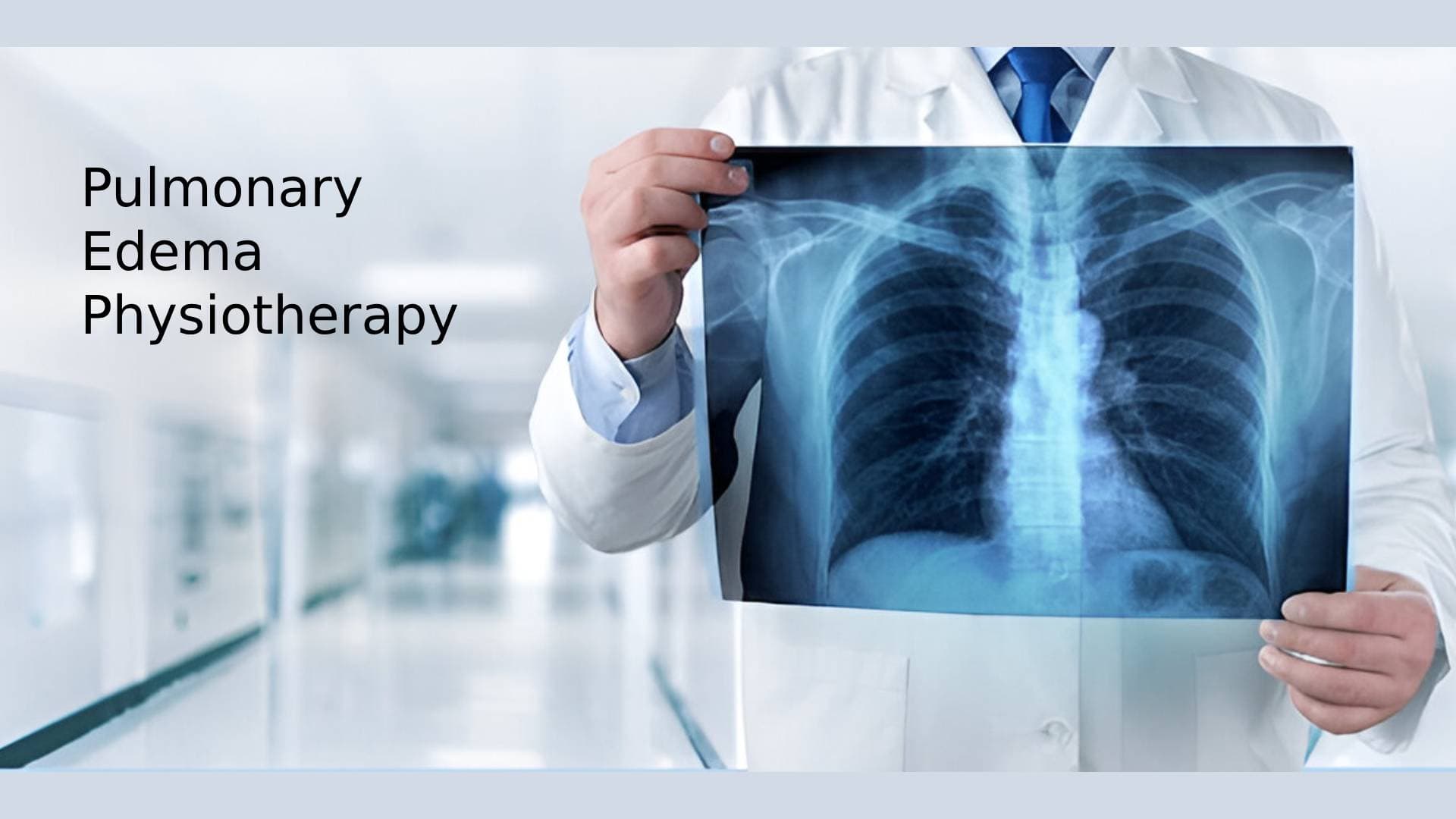
Pulmonary Edema Physiotherapy: Complete Recovery Guide
Introduction to Pulmonary Edema What is Pulmonary Edema? Pulmonary edema is a serious condition that happens when excess fluid collects in the lungs’ air sacs, making it tough to breathe. It’s not a disease on its own but a complication that usually stems from other medical issues, most often heart
Read MoreReady to Get Started?
Book your pulmonary physiotherapy session today and experience professional physiotherapy at your doorstep.