Geriatric Cardio Physiotherapy: Exercise and Care Guide
The heart does not age in isolation. As the body grows older, the cardiovascular system quietly undergoes a series of structural and functional changes.
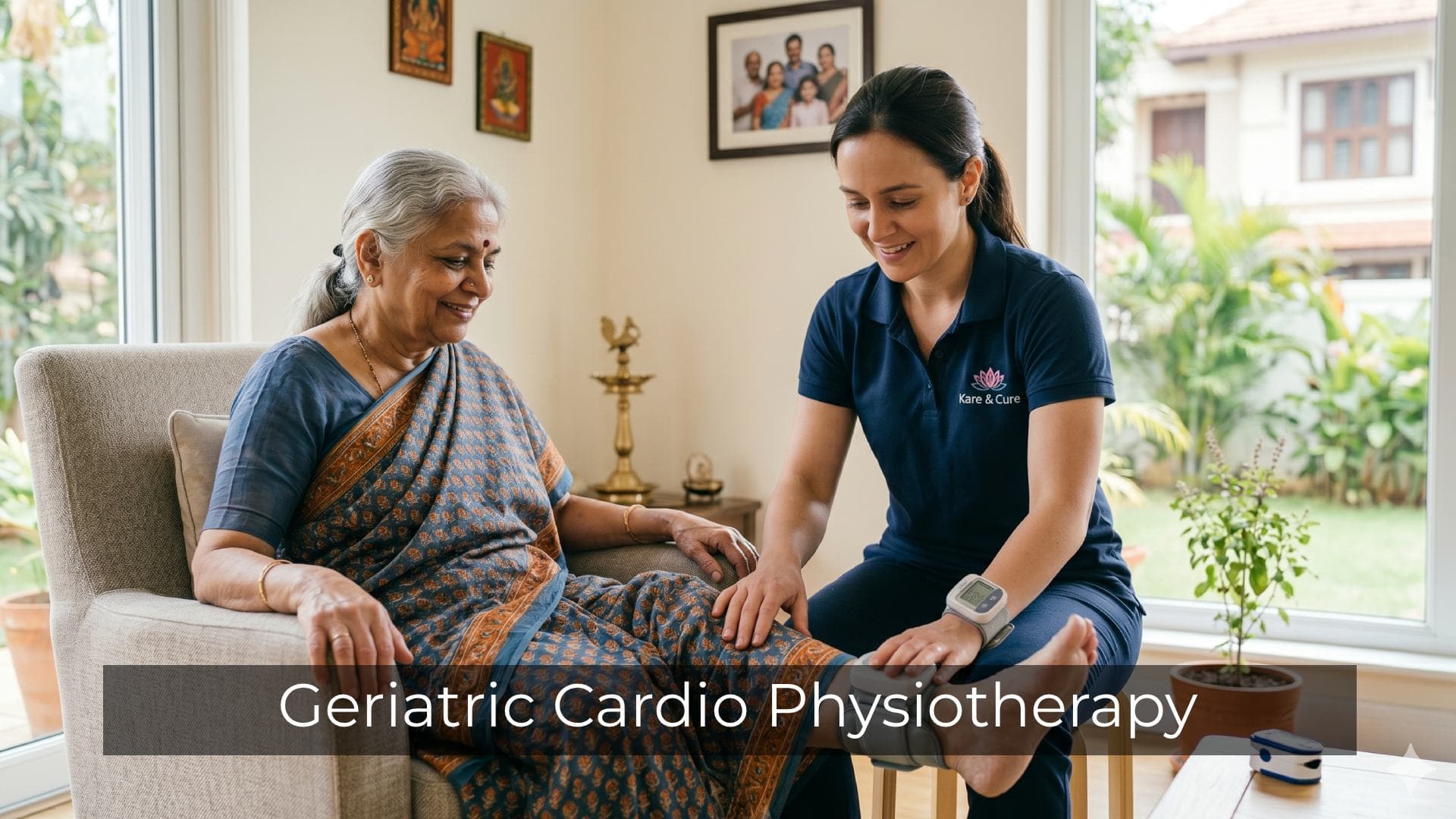
Introduction: Why Cardio Physiotherapy Matters More After 60
The heart does not age in isolation. As the body grows older, the cardiovascular system quietly undergoes a series of structural and functional changes. Arterial walls stiffen, the left ventricle thickens, resting heart rate variability narrows, and the overall capacity for physical exertion declines. For millions of older adults in India, these changes are not just statistics. They translate into breathlessness while climbing stairs, fatigue after a short walk, and a creeping loss of independence.
Geriatric cardio physiotherapy is the specialized branch of physical rehabilitation that addresses exactly these challenges. It combines the science of cardiac rehabilitation with a deep understanding of age-related physiological changes, offering older adults a structured, supervised, and safe pathway back to functional fitness. Whether someone is recovering from a heart attack, managing chronic heart failure, or simply trying to keep hypertension in check, cardio physiotherapy for elderly patients is one of the most effective, evidence-backed interventions available.
This guide covers what geriatric cardio physiotherapy involves, the most common complications it addresses, the safest exercises for elderly patients with cardiac conditions, key precautions every caregiver and patient must know, and how home-based physiotherapy can make a meaningful difference in quality of life.
What Is Geriatric Cardio Physiotherapy?
Geriatric cardio physiotherapy refers to a personalized program of physical assessment, therapeutic exercise, breathing training, and lifestyle guidance designed specifically for older adults with cardiovascular conditions. It sits at the intersection of two medical fields: geriatric medicine (focused on the complex health needs of ageing individuals) and cardiac rehabilitation (focused on restoring heart function after illness or surgery).
Unlike standard physiotherapy or even general cardiac rehabilitation, geriatric cardio physiotherapy accounts for the unique challenges that come with age. These include multiple coexisting conditions such as diabetes, osteoarthritis, and chronic kidney disease; age-related decline in muscle mass (sarcopenia); slower neurological reflexes that affect balance; and the cognitive or emotional factors that influence exercise adherence.
A trained geriatric physiotherapist working in the cardio rehabilitation space will typically assess the patient's aerobic capacity, muscle strength, balance and fall risk, breathing patterns, daily functional ability, medications (since several cardiac drugs affect exercise response), and caregiver support at home.
Common Cardiovascular Complications in Elderly Patients That Physiotherapy Addresses
Understanding what geriatric cardio physiotherapy treats is essential before discussing how it is done. The following are the most prevalent cardiac and cardio-related complications seen in older adults.
1. Chronic Heart Failure
Chronic heart failure (CHF) is one of the leading causes of hospitalization and functional decline among the elderly. Research published in the journal Frontiers in Cardiovascular Medicine confirms that elderly patients with CHF often use a disproportionately high percentage of their peak aerobic capacity even during simple activities of daily living like getting dressed or folding laundry. This makes routine tasks exhausting and erodes independence rapidly.
Cardiac rehabilitation combined with physiotherapy has been shown to significantly improve the 6-minute walk distance, a standard measure of functional capacity, and enhance the ability to perform activities of daily living (ADLs) in older CHF patients.
2. Hypertension
Isolated systolic hypertension is particularly common in seniors because arterial stiffness rises with age. Regular, appropriately dosed aerobic exercise guided by a physiotherapist helps reduce systolic blood pressure, lower the risk of stroke, and reduce the overall cardiac workload. Physiotherapy also addresses the postural hypotension that many elderly patients experience when standing up suddenly, which can cause dangerous falls.
3. Coronary Artery Disease and Post-Myocardial Infarction Recovery
After a heart attack, the risk of re-hospitalization and functional decline is high in older adults. Structured physiotherapy focusing on graduated aerobic exercise, breathing techniques, and activity pacing has been demonstrated to reduce this risk. It also addresses the psychological component since anxiety and depression after a cardiac event are common and directly affect recovery.
4. Atrial Fibrillation
Atrial fibrillation (AF) is the most common arrhythmia in older adults and significantly limits exercise tolerance. Supervised physiotherapy ensures that exercise intensity is carefully calibrated so that heart rate stays within safe parameters. The physiotherapist monitors the patient's response to activity and adjusts the program accordingly.
5. Post-Cardiac Surgery Recovery (CABG and Valve Replacement)
Older patients recovering from coronary artery bypass grafting (CABG) or heart valve replacement surgery face significant functional deconditioning. A geriatric rehabilitation program focused on cardio recovery, as described in research published in BMC Geriatrics, has been shown to restore functional capacity to a level where patients can safely return home and reduce future hospital readmissions.
6. Peripheral Vascular Disease
Poor circulation in the legs is common in elderly cardiac patients, causing pain during walking (claudication), slow wound healing, and increased fall risk. Physiotherapy uses supervised walking programs, leg strengthening exercises, and positional techniques to improve peripheral circulation.
Warning Signs and Contraindications: When to Pause Exercise
One of the most critical aspects of geriatric cardio physiotherapy is recognizing when exercise must stop. Elderly cardiac patients have a narrower safety margin compared to younger adults. Every physiotherapy session in this population should include monitoring of heart rate, blood pressure, oxygen saturation, and perceived exertion.
The following are recognized red flags that require immediate cessation of exercise and medical review:
- Chest pain, chest tightness, or pressure during or after exercise
- Unusual or sudden shortness of breath that does not resolve with rest
- Palpitations or a sense that the heart is "racing" or "skipping" in an abnormal way
- Dizziness, lightheadedness, or near-fainting
- Severe leg pain or cramps at rest (could indicate deep vein thrombosis)
- Blood pressure rising above 180/110 mmHg or dropping more than 20 mmHg during exercise
- Oxygen saturation falling below 90% during activity
- Extreme or unusual fatigue that does not improve within 30 minutes of rest
- Sudden confusion or disorientation during a session
Physiotherapy should never be initiated or continued without medical clearance from the treating cardiologist or physician, particularly in the acute phase following a cardiac event.
Safe and Evidence-Based Cardio Physiotherapy Exercises for Elderly Patients
The goal of exercise in geriatric cardio physiotherapy is not to push limits. It is to build aerobic capacity gradually, improve cardiac efficiency, reduce the burden on the heart, and restore the confidence and physical function needed for independent daily living. All exercises should be prescribed, supervised, and progressed by a qualified physiotherapist.
Warm-Up Phase (5 to 10 Minutes)
No session should begin without a proper warm-up. This prepares the heart and muscles for activity and significantly reduces the risk of arrhythmias or injury. Warm-up activities include gentle seated marching, slow arm circles, ankle pumps, deep diaphragmatic breathing, and slow neck and shoulder rolls.
1. Seated Marching
This is one of the safest and most accessible cardio exercises for older adults with cardiac conditions, particularly those with poor balance or limited mobility.
How to do it: Sit upright in a sturdy chair with both feet flat on the floor. Alternately lift each knee, as if marching in place. Swing the opposite arm naturally. Begin with 1 to 2 minutes and gradually build to 5 minutes.
Why it helps: Seated marching increases heart rate mildly, stimulates blood flow to the lower limbs, reduces venous pooling, and improves lower limb strength without placing undue stress on the cardiovascular system.
2. Supervised Walking Programs
Walking is the gold standard low-intensity aerobic exercise for elderly cardiac patients. A physiotherapist structures the program using timed intervals rather than distance, starting with short bouts of 5 to 10 minutes at a comfortable pace and progressively increasing duration as the patient's capacity improves.
Progression example: Week 1 to 2 at 5 to 10 minutes, twice daily; Week 3 to 4 at 10 to 15 minutes, once or twice daily; Week 5 onward progressing toward a cumulative 30 minutes most days, broken into manageable segments.
The physiotherapist uses the Borg Rating of Perceived Exertion (RPE) scale, aiming for a perceived exertion of 11 to 13 on a 20-point scale, which corresponds to a "light to somewhat hard" effort where the patient can still hold a conversation.
3. Sit-to-Stand Exercise
Rising from a chair is a functional movement that predicts falls and functional independence in older adults. It also trains the large muscle groups of the legs, which act as a secondary pump for venous blood return to the heart.
How to do it: Position a firm chair against a wall. Sit at the front of the chair. Lean slightly forward, push through the heels, and stand up fully. Return to sitting in a slow, controlled manner. Begin with 5 repetitions and progress over weeks.
Physiotherapy note: For patients with severe deconditioning, this exercise can initially be performed with armrest support and the height of the seat can be raised to reduce effort.
4. Stationary Cycling (Recumbent or Upright)
For patients who can tolerate more than minimal exertion, stationary cycling provides a controlled, joint-friendly aerobic workout. Recumbent cycling is preferred for those with balance concerns or lower back pain, as the supported position reduces cardiovascular strain. Exercise intensity is typically set to 50% of the estimated maximum heart rate reserve.
Research supports stationary cycling as an effective modality for improving aerobic capacity in elderly heart failure patients, particularly when combined with structured cool-down protocols.
5. Upper Limb Aerobic Exercises
For patients who cannot use their lower limbs adequately due to peripheral vascular disease, joint pain, or neurological conditions, upper limb ergometry and seated arm exercises provide a safe alternative to maintain cardiovascular conditioning. Exercises include slow, rhythmic arm raises, forward reaches, and light resistance band pulls performed in a controlled seated position.
6. Breathing and Respiratory Muscle Training
Diaphragmatic breathing and pursed-lip breathing are foundational techniques in geriatric cardio physiotherapy. These exercises improve respiratory efficiency, reduce the work of breathing, lower resting heart rate, and help manage the dyspnea (breathlessness) that commonly accompanies heart failure and COPD.
Diaphragmatic breathing technique: Place one hand on the chest and one on the abdomen. Breathe in slowly through the nose, allowing the abdomen to rise while keeping the chest relatively still. Exhale slowly through pursed lips (as if blowing out a candle). Repeat for 5 to 10 cycles, 2 to 3 times daily.
For patients with more significant respiratory compromise, a physiotherapist may use an inspiratory muscle trainer (IMT) device to progressively strengthen the diaphragm and accessory breathing muscles.
7. Balance and Fall Prevention Exercises
Falls are a leading cause of injury and hospitalization in elderly cardiac patients, especially those on antihypertensive medications that can cause dizziness. Balance training is therefore an integral part of geriatric cardio physiotherapy.
Exercises include standing heel-to-toe walking along a line, single-leg stance (with support nearby), and weight shift exercises in standing. These are performed with close supervision or a gait belt for safety.
Cool-Down Phase (10 Minutes)
Every session must end with a structured cool-down to allow heart rate and blood pressure to return to baseline gradually. Abrupt stopping can trigger dangerous hypotension or arrhythmias in elderly cardiac patients. Cool-down activities include slow walking in place, gentle stretching of the calves and hamstrings, and continued slow diaphragmatic breathing.
Key Precautions Specific to Geriatric Cardio Physiotherapy
Beyond the red flags already mentioned, certain precautions apply specifically to the elderly population undergoing cardiac physiotherapy.
Medication awareness: Beta-blockers blunt the heart rate response to exercise, making target heart rate calculations unreliable. Physiotherapists use the RPE scale in such cases. Diuretics can cause dehydration and electrolyte imbalances. ACE inhibitors may cause a persistent dry cough. Understanding a patient's full medication list is essential before designing an exercise program.
Time of day: Morning exercise should be avoided in patients with orthostatic hypotension since blood pressure is naturally lower upon waking. Mid-morning or early afternoon sessions are generally better tolerated.
Environmental factors: Exercise in hot, humid conditions places additional cardiovascular strain on the elderly. Home-based physiotherapy sessions should be conducted in a well-ventilated, temperature-controlled environment.
Nutritional status: Malnutrition is common in elderly cardiac patients and directly impairs exercise response and recovery. The physiotherapist coordinates with the dietitian to ensure adequate protein and caloric intake to support the demands of rehabilitation.
Frailty assessment: Before designing any exercise program, the physiotherapist screens for frailty using validated tools such as the Clinical Frailty Scale. Frail patients require a modified, lower-intensity program compared to pre-frail or robust elderly individuals.
The Advantage of Home-Based Geriatric Cardio Physiotherapy in Bangalore
For many elderly patients in Bangalore, travelling to a clinic for regular physiotherapy is not just difficult. It is genuinely risky. The combined challenges of traffic, environmental heat, physical deconditioning, and the effort of travel can themselves place cardiovascular strain on the patient.
Home-based geriatric cardio physiotherapy resolves this entirely. A qualified physiotherapist visits the patient's home, assesses the real-world environment, identifies fall hazards, and conducts sessions in a familiar and safe setting. Research consistently shows that home-based rehabilitation programs lead to better adherence and equivalent or superior outcomes compared to clinic-based programs for elderly cardiac patients.
At Physio at Your Doorstep, our specialist physiotherapists provide evidence-based geriatric cardio physiotherapy across Bangalore, including JP Nagar, Koramangala, Whitefield, HSR Layout, Jayanagar, and surrounding areas.
Our Geriatric Physiotherapy service is specifically designed for older adults managing complex conditions, incorporating cardiac safety monitoring, functional exercise training, breathing rehabilitation, and ongoing reassessment within the comfort and convenience of your home.
For patients also managing post-surgical recovery after cardiac procedures, our Post Surgical Physiotherapy service provides a seamless continuation of care. And for those dealing with co-existing lung or breathing conditions, our Pulmonary Physiotherapy program addresses the respiratory aspects of cardiopulmonary rehabilitation in tandem.
What to Expect from a Geriatric Cardio Physiotherapy Program
A well-structured program generally unfolds in phases:
Phase 1 (Weeks 1 to 2): Assessment and Initiation. The physiotherapist conducts a baseline assessment of functional capacity, resting vitals, gait, balance, and tolerance to minimal activity. Exercise begins at a very low intensity, focused on breathing, gentle seated activity, and safe mobilization.
Phase 2 (Weeks 3 to 6): Progressive Conditioning. Exercise duration and intensity are gradually increased based on the patient's monitored response. Walking programs, seated cardio exercises, and strength training for the lower limbs are introduced systematically.
Phase 3 (Weeks 7 to 12): Functional Integration. The focus shifts toward applying improvements in endurance, strength, and balance to actual daily tasks. The physiotherapist simulates real-life activities and trains the patient to self-monitor using the RPE scale.
Ongoing Maintenance: After the formal program concludes, the patient transitions to a self-managed home exercise plan with periodic check-ins from the physiotherapist to monitor progress and adjust the program as needed.
When Should You Consider Geriatric Cardio Physiotherapy?
Physiotherapy referral for elderly cardiac patients is appropriate in the following situations:
- Following discharge from hospital after a heart attack, heart failure episode, cardiac surgery, or arrhythmia management
- When a senior patient reports increasing breathlessness, fatigue, or declining ability to perform daily activities
- When blood pressure or heart rate management through medication alone is insufficient without lifestyle modification
- When an older adult has multiple cardiovascular risk factors and is at high risk of future cardiac events
- When a family member or caregiver notices that an elderly relative is becoming increasingly sedentary and physically dependent
If any of these apply to you or a family member, consider booking an appointment with a specialist at Physio at Your Doorstep. Early physiotherapy intervention leads to significantly better long-term outcomes than starting rehabilitation after severe deconditioning has already set in.
Related Reading
- Geriatric Problems and Its Physiotherapy Management
- Massage Therapy vs Physical Therapy vs OT: Geriatric Care
- Varicose Veins Physiotherapy: Treatment, Exercises and Recovery Guide
External Resources
- World Health Organization (WHO): Physical Activity and Older Adults
- American Heart Association: Cardiac Rehabilitation
- Physiopedia: Cardiovascular Exercises for the Elderly
This article is for informational purposes only and does not replace individualized medical advice. Always consult your cardiologist and a qualified physiotherapist before beginning any exercise program.
Related reading: Types of Aerobic Training in Physiotherapy, Cardiopulmonary Physiotherapy
Frequently Asked Questions (FAQs)
What is geriatric cardio physiotherapy and who needs it?
Geriatric cardio physiotherapy is a specialized rehabilitation service for older adults with cardiovascular conditions such as heart failure, hypertension, coronary artery disease, and arrhythmias. It is needed by seniors who experience breathlessness, fatigue, reduced exercise tolerance, or who are recovering from a cardiac event or heart surgery.
Is exercise safe for elderly patients with heart disease?
Yes, when properly prescribed and supervised by a qualified physiotherapist, exercise is not only safe for elderly cardiac patients but is a critical component of their recovery and long-term management. The key is starting at an appropriate intensity, monitoring the patient's response closely, and progressing the program gradually based on individual tolerance.
What are the best cardio exercises for elderly patients at home?
The most effective and safe home-based cardio exercises for elderly cardiac patients include supervised walking programs, seated marching, sit-to-stand exercises, stationary cycling, and diaphragmatic breathing. All of these should be initiated under the guidance of a physiotherapist who can set the correct intensity and monitor for warning signs.
What complications can geriatric cardio physiotherapy help manage?
Geriatric cardio physiotherapy is used in the management of chronic heart failure, hypertension, post-myocardial infarction recovery, atrial fibrillation, post-cardiac surgery rehabilitation, peripheral vascular disease, and exercise intolerance caused by combined cardiac and pulmonary conditions.
When should a physiotherapy session be stopped in an elderly cardiac patient?
A session should be stopped immediately if the patient experiences chest pain or tightness, unusual breathlessness, dizziness, palpitations, oxygen saturation falling below 90%, blood pressure rising above 180/110 mmHg, sudden confusion, or extreme fatigue that does not resolve quickly with rest. Medical review should follow before the next session.
How does home-based physiotherapy compare to clinic-based cardiac rehab for elderly patients?
For many elderly patients, home-based physiotherapy is preferable because it eliminates the physical and logistical burden of travel, takes place in a familiar and safe environment, allows the physiotherapist to assess and modify the home environment for safety, and has been shown in research to produce equivalent or better adherence and outcomes compared to clinic-based programs.
How long does a geriatric cardio physiotherapy program typically last?
A standard geriatric cardio physiotherapy program spans 8 to 12 weeks of supervised sessions, with intensity and complexity increasing progressively. After this, patients typically transition to a self-managed maintenance program with periodic physiotherapy reviews. The timeline can vary depending on the severity of the cardiac condition and the patient's baseline fitness level.
Can physiotherapy help elderly patients reduce their cardiac medications?
Physiotherapy can improve cardiovascular function, blood pressure control, and functional capacity to a degree where the treating physician may be able to optimize or reduce medication dosages. However, any changes to cardiac medications must always be made by the cardiologist or physician, not independently.
How many times a week should an elderly cardiac patient do physiotherapy exercises?
In the initial phase, exercise is typically done 3 to 5 times per week for 20 to 30 minutes per session, interspersed with rest days. As capacity improves, the frequency and duration are gradually increased. The physiotherapist designs the weekly schedule based on the individual patient's condition and recovery response.
Is geriatric cardio physiotherapy available at home in Bangalore?
Yes. Physio at Your Doorstep offers specialized geriatric cardio physiotherapy at home across Bangalore, including areas like Koramangala, JP Nagar, Whitefield, HSR Layout, Jayanagar, BTM Layout, and more. To schedule a home visit, you can book an appointment online or contact the team directly.
Related Service
Geriatric Physiotherapy at Home
Book a certified physiotherapist for geriatric physiotherapy across Bangalore & Pune.
Related Articles

Physio for Elderly in Bangalore at Home: The Complete Guide for Families in 2026
Home physiotherapy has become the preferred choice for Bangalore families who want expert, doctor-guided rehabilitation for seniors without the risk and stress of clinic visits. Here is what it involves, which conditions it treats, and how to choose the right provider.
Read More
Massage Therapy vs Physical Therapy vs OT : Geriatric Care
When an older adult starts experiencing chronic pain, reduced mobility, or difficulty managing daily tasks, families often find themselves facing a maze of treatment options. Geriatric massage therapy, geriatric physical therapy, and geriatric occupational therapy are three of the most commonly recommended approaches, yet most people have little clarity on what each actually involves.
Read More
Geriatric Problems and Its Physiotherapy Management
As our population ages, understanding geriatric health challenges and their effective management becomes increasingly critical. Older adults face unique physiological changes that can significantly impact their quality of life, independence, and overall wellbeing.
Read MoreNeed Professional Help?
Our expert physiotherapists are here to help you recover and stay healthy.