Multiple Sclerosis Neurological Physiotherapy: A Complete Guide
Multiple sclerosis (MS) is a complex, chronic neurological condition that affects the central nervous system, disrupting communication between the brain, spinal cord, and the rest of the body. For the estimated 2.9 million people living with MS worldwide, the challenge is not just managing relapses
Multiple sclerosis (MS) is a complex, chronic neurological condition that affects the central nervous system, disrupting communication between the brain, spinal cord, and the rest of the body. For the estimated 2.9 million people living with MS worldwide, the challenge is not just managing relapses but maintaining independence, mobility, and quality of life across years and decades. Neurological physiotherapy has emerged as one of the most powerful non-pharmacological tools available for doing exactly that.
Whether you have been recently diagnosed or have been living with MS for years, understanding how multiple sclerosis neurological physiotherapy works, what it targets, and why starting early makes a measurable difference can change the trajectory of your condition. This guide covers everything from the science behind MS physio to specific treatment techniques, home-based rehabilitation, and how to choose the right specialist in Bangalore.
Understanding Multiple Sclerosis: What Happens in the Nervous System
MS is an autoimmune disease in which the body’s immune system mistakenly attacks myelin, the protective sheath surrounding nerve fibers. This process, called demyelination, slows or blocks electrical signals traveling along nerves. Depending on which parts of the nervous system are affected, people experience a wide range of symptoms including fatigue, muscle weakness, spasticity, balance problems, difficulty walking, tremors, visual disturbances, numbness or tingling, and cognitive changes.
There are four main types of MS :
Relapsing-Remitting MS (RRMS),
Secondary Progressive MS (SPMS),
Primary Progressive MS (PPMS), and
Progressive-Relapsing MS (PRMS).
Each follows a different disease course, but all types share a common need for structured rehabilitation to slow functional decline and preserve neurological pathways.
A critical concept in MS rehabilitation is neuroplasticity, the brain’s ability to form new neural connections and reorganize itself. Research consistently shows that targeted physiotherapy stimulates neuroplasticity, allowing patients to compensate for damaged pathways by building alternative routes for nerve signals. This is why neuro physiotherapy is not just about symptomatic relief; it actively supports the nervous system’s own repair mechanisms.
Why Neurological Physiotherapy Is Central to MS Management
While disease-modifying therapies (DMTs) aim to reduce the frequency and severity of relapses, they do not restore lost function or prevent deconditioning. That is where neurological physiotherapy steps in. A 2016 systematic review published in the Archives of Physical Medicine and Rehabilitation confirmed that physiotherapy interventions can be effective for the rehabilitation of people with progressive MS, improving outcomes across gait, strength, balance, and fatigue management.
Key reasons neurological physiotherapy is essential in MS management include:
-
It addresses the specific motor deficits and sensory impairments that MS creates
-
It helps patients maintain and improve functional independence for longer
-
It reduces the risk of secondary complications such as falls, contractures, and pressure injuries
-
It provides personalized strategies for fatigue management, one of the most debilitating MS symptoms
-
It supports mental health by maintaining physical activity, which research links to reduced depression and anxiety in MS patients
Our neurological physiotherapy service in Bangalore is designed specifically to address the multifaceted symptoms of conditions like MS, providing individualized care delivered in the comfort of your home.
Common MS Symptoms That Neurological Physiotherapy Addresses
A skilled neuro physiotherapist assesses each patient individually, since no two MS presentations are identical. That said, there are several core symptom domains where physiotherapy consistently delivers measurable improvements.
1. Spasticity and Muscle Stiffness
Spasticity, characterized by involuntary muscle stiffness and spasms, is present in up to 80% of people with MS. It most commonly affects the legs, making walking difficult and painful. Physiotherapy techniques including prolonged stretching, positioning programs, and hydrotherapy have been shown to reduce spasticity effectively and improve range of motion without the side effects associated with antispasmodic medications.
2. Gait Impairment and Walking Difficulties
Difficulty walking is one of the most commonly reported and deeply impactful symptoms of MS. A meta-analysis in Multiple Sclerosis International (2022) found that physiotherapy interventions significantly improved gait speed and walking distance in people with MS. Treadmill training, functional electrical stimulation (FES), body-weight supported gait training, and targeted lower limb strengthening all form part of a comprehensive gait rehabilitation protocol.
3. Balance Problems and Fall Risk
Impaired proprioception, weakness, and spasticity all contribute to balance dysfunction in MS. Falls are a significant concern, particularly as the disease progresses. Balance training through exercises like standing on unstable surfaces, vestibular rehabilitation, and Tai Chi-based programs has been validated in multiple clinical studies as reducing fall frequency and improving postural control in MS patients.
4. Fatigue
MS-related fatigue affects more than 75% of patients and is rated as one of the most disabling symptoms. Physiotherapy addresses fatigue through energy conservation strategies, graded aerobic exercise programs, and activity pacing techniques. Counterintuitively, regular structured exercise has been shown to reduce MS fatigue rather than worsen it, as long as exercise is appropriately dosed and monitored to prevent heat-induced symptom exacerbation (Uhthoff’s phenomenon).
5. Weakness and Muscle Atrophy
Progressive muscle weakness, particularly in the lower limbs, results from both the neurological damage caused by MS and the physical deconditioning that comes with reduced activity. Resistance training, functional strength exercises, and progressive overload protocols are used to maintain or rebuild muscle strength while respecting each patient’s tolerance and energy levels.
Evidence-Based Physiotherapy Techniques Used in MS Rehabilitation
The field of MS neuro rehabilitation has evolved significantly over the past decade. Here are the key physiotherapy modalities supported by clinical evidence.
Therapeutic Exercise and Kinesiotherapy
Exercise is the cornerstone of MS physiotherapy. A scoping review published in PMC (2022) confirmed that kinesiotherapy, exercise rehabilitation, and structured physical activity are among the most effective non-pharmacological interventions for MS. Exercise programs are individualized based on the patient’s current functional status, disease severity as measured by the Expanded Disability Status Scale (EDSS), and specific goals such as improving walking or managing fatigue.
Bobath Concept and Neurological Movement Re-education
The Bobath Concept, widely used in neurological physiotherapy, focuses on optimizing movement patterns and postural control by facilitating normal movement rather than compensating around deficits. In MS, this approach helps retrain motor pathways, improve coordination, and reduce abnormal tone. It is particularly useful during and after relapses when relearning lost function is the primary goal.
Functional Electrical Stimulation (FES)
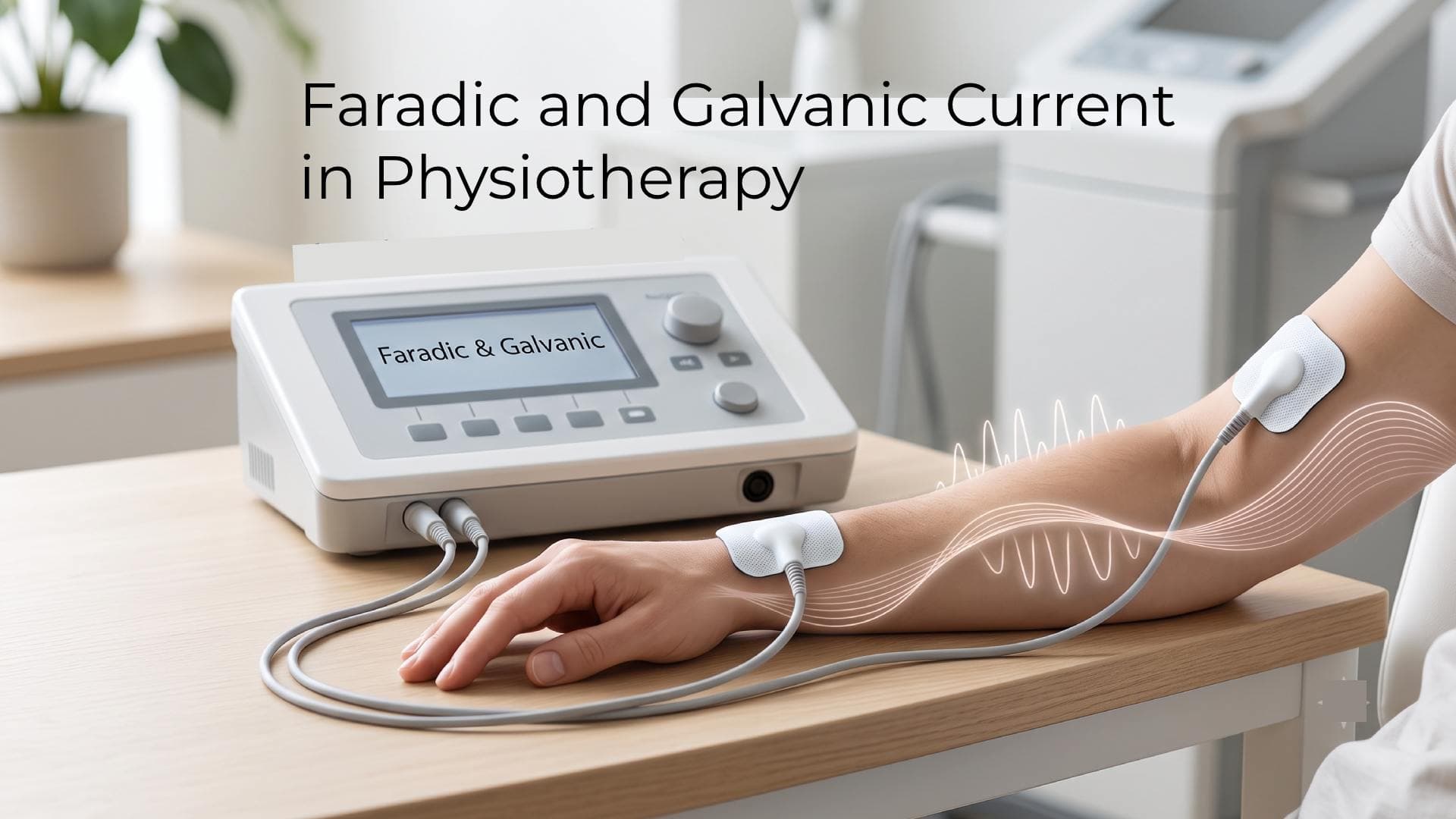
FES uses low-level electrical currents to stimulate weakened or paralyzed muscles during functional tasks, particularly walking. For MS patients with foot drop, a device like the Odstock Dropped Foot Stimulator activates the dorsiflexors with each step, allowing more normal gait patterns. Clinical trials have demonstrated improvements in walking speed and energy expenditure with FES in MS patients.
Aquatic Physiotherapy (Hydrotherapy)
Water’s buoyancy reduces the effective weight on joints and muscles, making aquatic therapy ideal for MS patients who find land-based exercise difficult. The neutral thermal environment of a pool also helps manage heat sensitivity, and the natural resistance of water builds strength without excessive strain. Studies have demonstrated improvements in quality of life, fatigue, and mobility following aquatic exercise programs in people with MS.
Stretching, Positioning, and Spasticity Management
A structured daily stretching program, particularly targeting hip flexors, hamstrings, calf muscles, and hip adductors, significantly reduces spasticity and prevents contractures. Physiotherapists also teach patients and caregivers correct positioning techniques to distribute pressure evenly and reduce spasm triggers during rest and sleep.
Balance and Vestibular Rehabilitation
Specific balance training protocols, such as the Berg Balance Scale-guided exercises and the Dynamic Gait Index program, are used to systematically challenge and improve balance in MS patients. Vestibular rehabilitation exercises address dizziness and vertigo, which affect a significant subset of MS patients and further compound fall risk.
Respiratory Physiotherapy
As MS progresses, respiratory muscles can weaken, reducing breathing efficiency and contributing to fatigue. Respiratory physiotherapy techniques, including diaphragmatic breathing exercises and respiratory muscle training, help maintain lung capacity. Our pulmonary physiotherapy service provides integrated respiratory support for MS patients experiencing breathing-related symptoms.
The Case for Home-Based MS Physiotherapy in Bangalore
Traveling to a physiotherapy clinic is a significant undertaking for many MS patients. Fatigue, heat sensitivity, mobility limitations, and reliance on caregivers can all make clinic visits logistically challenging and physically draining. The research supports the effectiveness of home-based rehabilitation: a PMC scoping review noted that home delivery of rehabilitation programs promotes consistency and continuity, particularly for patients whose access to clinical settings is limited by travel distance, cost, or caregiver availability.
Home-based physiotherapy for MS offers several distinct advantages over clinic-based care.
-
Familiar environment: Patients are more relaxed, which can improve engagement with exercises and reduce anxiety-related symptom exacerbation.
-
Functional relevance: Exercises are practiced in the actual spaces the patient navigates daily, making functional gains more directly transferable.
-
Caregiver education: Family members can observe sessions and learn how to assist safely, improving continuity between appointments.
-
Reduced fatigue burden: Energy preserved by not commuting can be directed toward the therapy session itself.
-
Temperature control: Home environments are more manageable for heat-sensitive MS patients than unpredictable outdoor or clinic settings.
At Physio at Your Doorstep, our expert neurological physiotherapists visit you across Bangalore, including areas such as Koramangala, HSR Layout, Whitefield, JP Nagar, BTM Layout, and Jayanagar. You can book a home physiotherapy appointment and have a qualified neuro physio assess and treat your MS-related needs in your own space.
What to Expect in Your First MS Physiotherapy Assessment
A comprehensive initial assessment is the foundation of effective MS physiotherapy. Understanding where you are functionally allows the physiotherapist to design a targeted, safe, and progressive rehabilitation program. Here is what a thorough neuro physio assessment for MS typically covers.
-
Medical and neurological history: Type of MS, relapse history, current medications, and relevant comorbidities.
-
Functional mobility assessment: Transfers, walking, stair climbing, and daily activities.
-
Muscle strength and tone: Assessment of spasticity (Modified Ashworth Scale), muscle power, and endurance.
-
Balance and coordination: Berg Balance Scale, Timed Up and Go (TUG) test, and other standardized measures.
-
Sensory testing: Assessing numbness, tingling, and proprioception deficits that affect movement.
-
Fatigue assessment: Modified Fatigue Impact Scale (MFIS) or Fatigue Severity Scale (FSS) to quantify fatigue levels.
-
Goal setting: Patient-centered goals around mobility, independence, work, and quality of life.
For patients who need objective neurological evaluation tools before or alongside physiotherapy, our team can guide you on relevant neurological physiotherapy tests that help map your current functional status accurately.
A Sample Home Exercise Program for MS Patients
The following exercise framework gives an idea of what structured MS physiotherapy at home might look like. Always consult your physiotherapist before starting any exercise program, as individual needs and tolerances vary widely.
Warm-Up (5 to 10 minutes)
-
Seated marching in a chair to increase circulation
-
Gentle shoulder rolls and neck movements
-
Ankle pumps and circles to reduce risk of blood pooling
Strength Training (15 to 20 minutes)
-
Sit to stand exercises from a chair (3 sets of 8 to 12 repetitions)
-
Standing hip abduction with support from a chair or wall
-
Step-ups onto a low, stable step
-
Standing heel raises (3 sets of 12 repetitions) for calf strength
Balance Training (10 minutes)
-
Tandem standing (one foot in front of the other) with support nearby
-
Single-leg standing for 10 to 20 seconds each side
-
Weight shifting exercises in standing to improve dynamic balance
Stretching (10 minutes)
-
Calf stretch against a wall (hold for 30 seconds each side)
-
Hip flexor stretch in a kneeling position or standing lunge
-
Hamstring stretch seated or lying down
-
Adductor (inner thigh) stretch to reduce spasticity in the legs
It is important to monitor body temperature throughout exercise. Many MS patients are heat-sensitive and should exercise during the cooler parts of the day, use a fan, and keep cool water on hand. Symptoms that worsen with heat will typically resolve once body temperature returns to normal.
How MS Physiotherapy Differs From Other Neurological Conditions
While the core principles of neurological physiotherapy apply across conditions like stroke, Parkinson’s disease, and spinal cord injury, MS rehabilitation has unique considerations that set it apart.
-
Relapsing nature: Unlike stroke or traumatic brain injury, MS can worsen and partially recover in cycles. Physiotherapy programs must be adaptable, scaling up during stable periods and pulling back conservatively during relapses.
-
Heat sensitivity (Uhthoff’s phenomenon): MS is unique in that even minor increases in body temperature can temporarily worsen symptoms. This profoundly affects exercise prescription and session timing.
-
Fatigue management as a primary goal: MS fatigue is neurological in origin and qualitatively different from the fatigue of other conditions, requiring specific strategies rather than general conditioning alone.
-
Long-term preventive focus: Because MS is a lifelong condition, physiotherapy plans are built around decades of sustained function, not short-term recovery milestones.
Why Starting Physiotherapy Early in MS Makes a Critical Difference
One of the most significant content gaps in online MS resources is the lack of emphasis on early physiotherapy intervention. Most articles focus on managing existing deficits, but research increasingly points to a ‘window of opportunity’ in the early stages of MS where rehabilitation has the greatest impact on long-term outcomes.
A 2018 review in Multiple Sclerosis Journal argued that early exercise therapy during the initial stages of MS can influence neuroplasticity more robustly, potentially slowing neurodegeneration. The reasoning is that when neural circuits are still relatively intact, exercise-driven neuroplasticity can reinforce pathways before demyelination progresses and they become harder to rehabilitate.
Starting physiotherapy at the time of diagnosis, even when symptoms are mild, helps build exercise habits, establishes a functional baseline for monitoring change, and creates a therapeutic relationship that can be drawn on intensively during relapses. A 2024 study in Multiple Sclerosis and Related Disorders reinforced that early physiotherapy initiation significantly reduces disability progression over time.
The Role of Physiotherapy in Multidisciplinary MS Care
MS is best managed by an interprofessional team. The physiotherapist works alongside neurologists, occupational therapists, speech therapists, psychologists, and nurses to address the full spectrum of MS symptoms. While the neurologist manages disease-modifying therapy and monitors lesion burden via MRI, the physiotherapist focuses on the lived, functional impact of those lesions.
For older patients or those with significant physical limitations, our team can complement MS physiotherapy with support from our geriatric physiotherapy specialists , who are experienced in managing the intersection of age-related physical changes and chronic neurological conditions.
How to Choose the Right Neurological Physiotherapist for MS in Bangalore
Not all physiotherapists have specialized training in neurological conditions. When selecting a neuro physio for MS, look for the following.
-
Postgraduate training or certification in neurological physiotherapy or neurorehabilitation
-
Experience specifically with MS patients, including familiarity with different MS types and relapse management
-
Knowledge of current assessment tools such as the EDSS, Berg Balance Scale, and Modified Fatigue Impact Scale
-
Ability to communicate and collaborate with the patient’s neurologist and broader care team
-
Willingness to provide home visits, since travel limitations are often a reality for MS patients
At Physio at Your Doorstep, founded by Dr. Atharva Mishra, our neurological physiotherapy team brings specialized expertise and genuine commitment to managing conditions like MS. We serve patients across Bangalore with same-day appointments, 24/7 availability, and fully personalized treatment programs delivered at your home.
Additional Resources for MS Patients and Caregivers
The following organizations and research sources provide credible, up-to-date information on MS management:
Final Thoughts
Living with multiple sclerosis presents daily challenges, but with the right neurological physiotherapy support, those challenges are far more manageable. The evidence is clear: structured, individualized neuro rehabilitation improves gait, reduces spasticity, addresses fatigue, lowers fall risk, and supports the nervous system’s own capacity for adaptation and repair. Starting early, staying consistent, and working with a specialized physiotherapist makes a measurable difference in long-term outcomes.
Whether you are navigating a new diagnosis, managing a progressive form of MS, or recovering from a recent relapse, physiotherapy at home in Bangalore offers a compassionate, evidence-based, and highly convenient path toward maintaining the independence and quality of life you deserve.
Ready to take the next step? Explore our neurological physiotherapy services or book your first home appointment today .
Frequently Asked Questions
-
Can physiotherapy cure multiple sclerosis? No, physiotherapy cannot cure MS. There is currently no known cure for the condition. However, neurological physiotherapy is one of the most effective tools available for managing MS symptoms, maintaining physical function, slowing disability progression, and improving quality of life. It works alongside disease-modifying therapies to deliver comprehensive, holistic care.
-
How often should someone with MS see a physiotherapist? Frequency depends on the individual’s disease stage, severity, and goals. During stable periods, 2 to 3 sessions per week with a home exercise program is common. During or immediately after a relapse, more intensive sessions may be needed to regain lost function. Your physiotherapist will recommend an appropriate schedule based on your assessment.
-
Is exercise safe during an MS relapse? Generally, high-intensity exercise is not recommended during an active relapse, as the nervous system needs rest to recover. However, gentle activities such as breathing exercises, careful stretching, and light mobilization can be maintained under the guidance of a physiotherapist. Once the relapse has settled, a progressive return to a full exercise program is strongly encouraged to regain any function that was temporarily lost.
-
What is the difference between neurological physiotherapy and regular physiotherapy for MS? Neurological physiotherapy is a specialized branch of physiotherapy that focuses specifically on conditions affecting the brain, spinal cord, and peripheral nerves. For MS patients, this means using techniques specifically designed to address neurological deficits, including neuroplasticity-based movement retraining, spasticity management, and fatigue-specific exercise prescription. General physiotherapy, which is more often used for musculoskeletal injuries, would not have the same depth of expertise in these neurological domains.
-
Can physiotherapy help with MS fatigue? Yes. While it may seem counterintuitive, structured, appropriately dosed exercise has been shown in multiple clinical trials to reduce MS-related fatigue significantly. Physiotherapists use graded aerobic exercise, energy conservation techniques, and activity pacing strategies to help patients manage fatigue more effectively. The key is working with a knowledgeable physiotherapist who understands the neurological nature of MS fatigue and can design an exercise plan that builds capacity without triggering symptom exacerbation.
-
Does physiotherapy at home work as well as clinic-based physiotherapy for MS? Research supports that home-based physiotherapy for MS is as effective as clinic-based care for most patients, and in some cases more effective because of greater consistency, reduced travel burden, and the ability to practice exercises in the real-life context of the patient’s home. For MS patients with moderate to severe mobility limitations, home-based physiotherapy is often the more practical and clinically appropriate choice.
-
How do I book a neurological physiotherapy session for MS in Bangalore? You can book a home physiotherapy session with Physio at Your Doorstep by visiting our online booking page , calling us at +91 82337 87737, or messaging us on WhatsApp. We offer same-day appointments across major areas of Bangalore and will match you with a physiotherapist experienced in neurological conditions and MS rehabilitation.
Related Service
Neurological Physiotherapy at Home
Book a certified physiotherapist for neurological physiotherapy across Bangalore & Pune.
Related Articles
Advanced Neuro Physiotherapy Techniques: A Complete, Evidence-Based Guide
When the brain, spinal cord, or nerves are injured, the body often forgets how to move. Here are the ten advanced neuro physiotherapy techniques used today, the science behind each one, and which conditions they suit best.
Read More
Facial Palsy Physiotherapy Treatment: A Complete Recovery Guide (2026)
Facial palsy affects how you eat, speak, blink and express yourself. Here is how physiotherapy helps you regain facial movement, symmetry and confidence, phase by phase, and what a realistic recovery looks like.
Read More
Hemiplegia Treatment Physiotherapy Exercise: A Complete, Evidence-Based Recovery Guide
Hemiplegia appears in more than 80 percent of stroke survivors. Here are the physiotherapy exercises that actually work at each stage of recovery, how the Brunnstrom stages guide treatment, and what a realistic timeline looks like.
Read MoreNeed Professional Help?
Our expert physiotherapists are here to help you recover and stay healthy.