Advanced Neuro Physiotherapy Techniques: A Complete, Evidence-Based Guide
When the brain, spinal cord, or nerves are injured, the body often forgets how to move. Here are the ten advanced neuro physiotherapy techniques used today, the science behind each one, and which conditions they suit best.
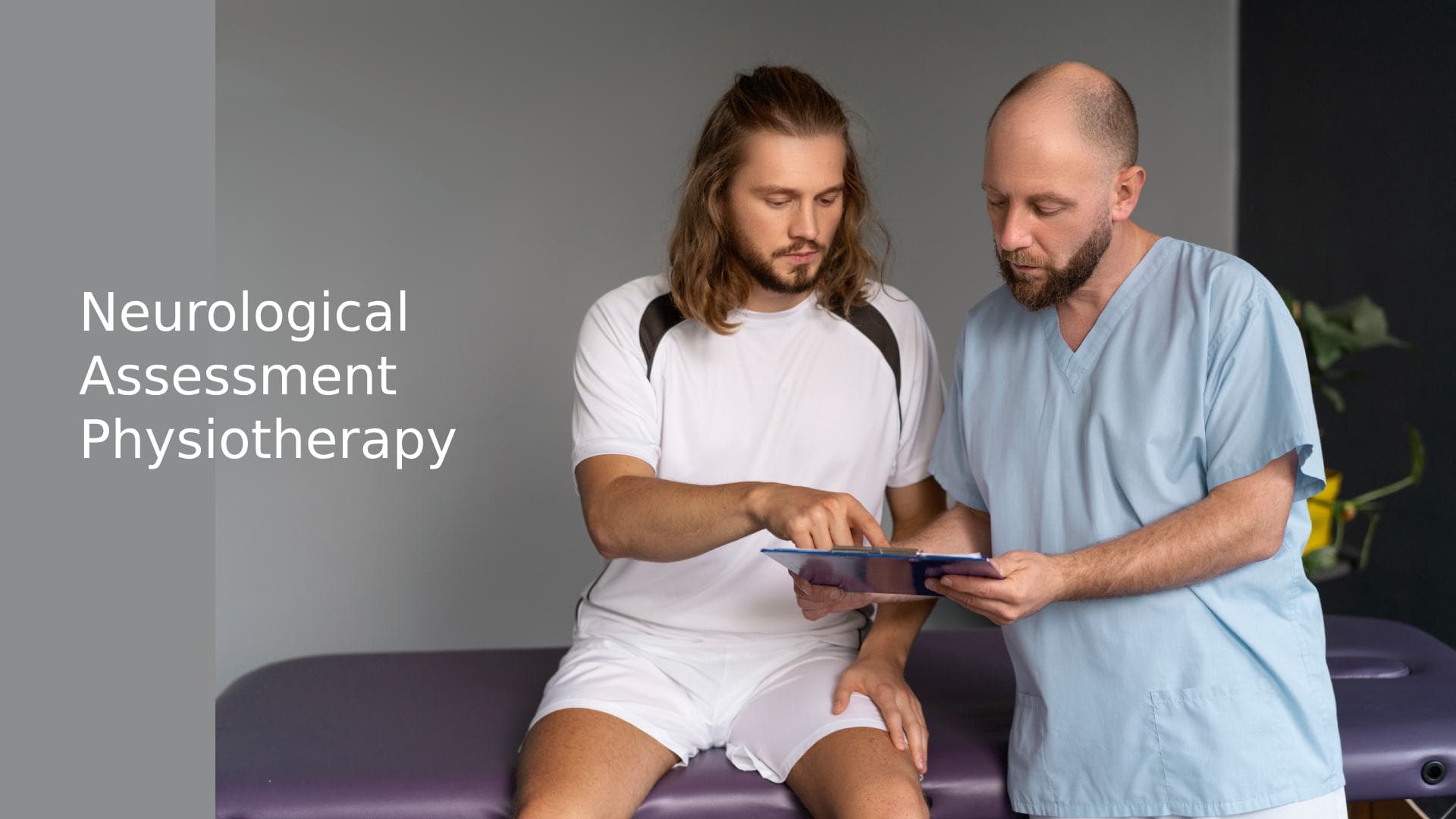
When the brain, spinal cord, or nerves are injured, the body often forgets how to move the way it used to. This is where advanced neuro physiotherapy techniques come in. Unlike general physiotherapy, neuro physiotherapy is built around one core idea: the nervous system can relearn movement if it is trained the right way, at the right intensity, and often enough.
Over the last two decades, neuro rehabilitation has moved far beyond basic stretching and passive exercises. Physiotherapists now use a combination of neuroplasticity-based training, motor relearning strategies, and technology-assisted tools to help patients recover faster and more completely after conditions like stroke, Parkinson's disease, spinal cord injury, and multiple sclerosis.
This guide breaks down the most effective advanced neuro physiotherapy techniques used today, explains the science behind them, and shows how each one applies to real conditions, including how they can be delivered safely at home.
What Is Neuro Physiotherapy, and Why Does "Advanced" Matter?
Neuro physiotherapy (also called neurological physiotherapy) is a specialised branch of physical therapy focused on disorders of the brain, spinal cord, and peripheral nerves. It targets problems like weakness, poor balance, abnormal muscle tone, tremors, and loss of coordination that standard physiotherapy is not designed to address.
The word "advanced" matters because basic exercise alone rarely restores complex movement patterns after neurological injury. Advanced techniques are structured around repetition, task-specificity, and sensory feedback, three factors that research consistently links to better motor recovery. A physiotherapist trained in these methods does not just strengthen a muscle; they retrain the communication pathway between the brain and that muscle.
The Science Behind Advanced Neuro Physiotherapy: Why Neuroplasticity Matters
Every advanced neuro physiotherapy technique is built on one principle: neuroplasticity, the brain's ability to reorganise itself by forming new neural connections after injury. Recent research in stroke rehabilitation highlights just how significant this recovery window is. A 2024 editorial published in Frontiers in Neurology notes that motor impairment is the single most common consequence of stroke, affecting the large majority of survivors in the early stage, with a substantial proportion continuing to live with some degree of long-term impairment.
The good news is that structured rehabilitation genuinely changes outcomes. A Cochrane systematic review cited in recent neurorehabilitation literature found that physical rehabilitation produces a substantial improvement in motor function compared to no rehabilitation at all, based on data pooled across dozens of trials. In India specifically, stroke remains a major contributor to disability, and locomotor disabilities are among the most common forms of long-term impairment nationally, according to national disability prevalence data. This is exactly why advanced, targeted neuro physiotherapy techniques, rather than generic exercise, have become the clinical standard for recovery.
10 Advanced Neuro Physiotherapy Techniques Explained
1. Task-Oriented Training (Motor Relearning Approach)
Task-oriented training focuses on practising real, functional movements, such as standing up from a chair, reaching for a cup, or climbing a step, rather than isolated muscle exercises. The idea is simple: the brain relearns a task by repeatedly attempting that exact task. This approach is widely used for stroke and traumatic brain injury patients and forms the backbone of most modern neuro rehab programs.
2. Constraint-Induced Movement Therapy (CIMT)
CIMT is used mainly for upper limb recovery after stroke or brain injury. The stronger, unaffected limb is gently restrained for set periods each day, forcing the patient to use the weaker limb for daily tasks. This intensive, repetitive use encourages the brain to rebuild control over the affected side. Studies on CIMT consistently show improved arm function in patients who still have some voluntary movement to begin with.
3. Functional Electrical Stimulation (FES)
FES uses low-level electrical impulses to activate specific muscles that have become weak or unresponsive due to nerve damage. It is commonly used to correct foot drop during walking or to reactivate shoulder and hand muscles after stroke. FES is particularly effective because it combines muscle stimulation with an active movement attempt, reinforcing the brain-muscle connection rather than just passively contracting the muscle.
4. Proprioceptive Neuromuscular Facilitation (PNF)
PNF uses diagonal, spiral movement patterns combined with stretching and resistance to improve strength, flexibility, and coordination. It is especially useful for patients with muscle tightness or spasticity, a common issue after stroke or spinal cord injury, because it works with the body's natural movement patterns rather than isolated joint movements.
5. Neurodevelopmental Treatment (Bobath Approach)
Originally developed for cerebral palsy and later adapted for adult neurological rehabilitation, the Bobath approach focuses on normalising muscle tone and guiding the patient through correct movement patterns using hands-on facilitation. It is frequently used in early-stage stroke recovery, when abnormal tone and poor postural control are the biggest obstacles to functional movement.
6. Mirror Therapy
Mirror therapy uses a mirror to create a visual illusion that the affected limb is moving normally, by reflecting the movement of the unaffected limb. This tricks the brain's visual and motor processing centres, which can help reduce phantom limb pain and stimulate motor recovery in a weak or paralysed limb. It is low-cost, easy to use at home, and backed by a growing body of clinical evidence.
7. Body-Weight Supported Treadmill and Gait Training
Gait training focuses specifically on relearning a safe, efficient walking pattern. Using a harness for body-weight support, or simply hands-on guidance and parallel bars, physiotherapists help patients practise stepping patterns with reduced fall risk. This is one of the most researched and widely used interventions for stroke, spinal cord injury, and Parkinson's disease patients.
8. Virtual Reality (VR) and Gamified Rehabilitation
VR rehabilitation immerses patients in interactive digital environments where they perform therapeutic movements disguised as games or challenges. Research combining VR with EEG monitoring has shown measurable changes in brain activity patterns associated with neuroplasticity during cognitive and motor rehabilitation in stroke patients. Beyond the science, VR also improves patient motivation and session engagement, which directly affects how consistently a patient sticks with therapy.
9. Robotic-Assisted Therapy
Robotic devices guide limbs through precise, repeatable movement patterns, allowing for a much higher number of repetitions per session than manual therapy alone. This is especially valuable for upper limb and gait rehabilitation, where consistency and repetition volume are directly linked to better outcomes. While robotic therapy is more common in clinical and hospital-based rehab centres, many of its principles (such as high-repetition, guided movement) can be replicated through structured manual techniques at home.
10. Dual-Task Training
Dual-task training asks patients to perform a physical task and a cognitive task at the same time, such as walking while counting backwards, or stepping over obstacles while carrying a light object. This mirrors real-world demands far better than single-task exercises and is particularly useful for Parkinson's disease and older adults at risk of falls, since most daily activities require the brain to manage movement and thinking simultaneously.
Comparing Advanced Neuro Physiotherapy Techniques
| Technique | Best Suited For | Primary Goal |
|---|---|---|
| Task-Oriented Training | Stroke, TBI | Relearning functional movement |
| CIMT | Stroke (upper limb) | Forcing use of the weaker limb |
| FES | Foot drop, weak muscles | Reactivating nerve-muscle signals |
| PNF | Spasticity, tight muscles | Coordination and flexibility |
| Bobath / NDT | Early stroke, cerebral palsy | Normalising muscle tone |
| Mirror Therapy | Phantom pain, hemiparesis | Visual-motor retraining |
| Gait / Treadmill Training | Stroke, SCI, Parkinson's | Safe, efficient walking |
| VR Rehabilitation | Stroke, cognitive rehab | Engagement and neuroplasticity |
| Robotic-Assisted Therapy | Upper limb, gait rehab | High-repetition guided movement |
| Dual-Task Training | Parkinson's, fall prevention | Combined cognitive-motor control |
Which Advanced Technique Suits Which Condition?
Not every technique is right for every diagnosis. A qualified neurological physiotherapy assessment is essential before starting any of these methods, since the right combination depends on the severity, stage, and specific effects of the condition.
- Stroke recovery: Task-oriented training, CIMT, FES, mirror therapy, and gait training are typically combined based on the stage of recovery.
- Parkinson's disease: Dual-task training, balance retraining, and rhythmic gait cues are usually prioritised to manage tremors and freezing episodes. This pairs well with our geriatric physiotherapy services for older adults managing multiple age-related conditions.
- Spinal cord injury: Gait training, FES, and PNF are commonly used, depending on the level and completeness of the injury.
- Multiple sclerosis: Fatigue-conscious dual-task and balance training tend to work best. Our detailed guide on multiple sclerosis neurological physiotherapy covers condition-specific strategies in depth.
- Bell's palsy and peripheral nerve injuries: Facial retraining exercises, mirror biofeedback, and targeted FES are often used.
Before starting therapy, physiotherapists typically run a set of standardised assessments to measure baseline strength, balance, and coordination. You can learn more about how this works in our article on neurological physiotherapy tests for patient evaluation.
Why Home-Based Delivery Works Well for Advanced Neuro Physiotherapy
Advanced neuro rehabilitation depends heavily on consistency and repetition, and that consistency is often easier to maintain at home than in a clinic. Home-based sessions offer a few clear advantages:
- Real-world practice environment. Patients relearn to walk on their own floors, climb their own stairs, and use their own furniture, which improves carryover into daily life far more than a generic clinic setup.
- Lower fatigue and travel stress. Many neuro patients, especially post-stroke or elderly individuals, find travel physically and mentally exhausting. Removing that barrier improves attendance and session quality.
- Family and caregiver involvement. Caregivers can observe and learn safe transfer techniques, positioning, and home exercise routines directly, which supports recovery between sessions.
- Personalised pacing. One-on-one home sessions allow the physiotherapist to fully tailor intensity and technique selection to that specific patient, without competing for shared clinic equipment or time slots.
What to Expect: Session Structure and Realistic Recovery Timelines
A typical advanced neuro physiotherapy program begins with a detailed assessment covering strength, tone, balance, coordination, and functional independence. From there, the physiotherapist builds a plan that usually blends two or three techniques rather than relying on just one.
Recovery timelines vary significantly based on the condition, severity, and how early therapy begins. As a general pattern seen across neuro rehabilitation literature:
- The first three to six months after a stroke or brain injury tend to show the fastest gains, often called the "critical window" for neuroplasticity.
- Spinal cord injury recovery is typically slower and more incremental, often measured in months to years depending on injury level.
- Chronic, progressive conditions like Parkinson's disease and multiple sclerosis focus less on "recovery" and more on maintaining function, slowing decline, and preventing falls over the long term.
Consistency matters more than intensity alone. Most patients see measurably better outcomes with regular, moderate-frequency sessions over many weeks than with occasional, high-intensity sessions.
How to Choose the Right Advanced Neuro Physiotherapy Provider
Since these techniques require specific training, not every physiotherapist is equipped to deliver them safely. Before starting treatment, it helps to check for:
- A physiotherapist with specific neurological rehabilitation experience, not just general orthopaedic training
- A proper initial assessment before any treatment plan is finalised
- Clear communication about expected timelines and realistic goals
- Willingness to involve family or caregivers in the process
- Medical clearance and coordination with your neurologist or treating physician where needed
Safety Considerations
Advanced neuro physiotherapy techniques should always be introduced gradually and under professional supervision. Conditions like uncontrolled blood pressure, recent surgery, unstable spine fractures, or severe cognitive impairment may require modified approaches. Physiotherapy is meant to complement medical and neurological treatment, not replace physician-directed care. Always consult your treating doctor before beginning or changing a rehabilitation program.
Advanced Neuro Physiotherapy at Home in Bangalore
If you or a family member in Bangalore is recovering from a stroke, living with Parkinson's disease, or managing a spinal cord injury, getting consistent, advanced neuro physiotherapy without the stress of clinic visits can make a real difference to recovery. Physio At Your Doorstep brings qualified, experienced neuro physiotherapists to your home across 40+ areas in Bangalore, including Koramangala, HSR Layout, Whitefield, Indiranagar, JP Nagar, and Electronic City.
Our therapists carry the equipment needed for task-oriented training, gait practice, PNF, and other advanced techniques directly to your doorstep, with sessions built around your specific condition and home environment. You can book a neurological physiotherapy session online, or call or WhatsApp us at +91 82337 87737 for a same-day consultation. See our full list of areas we serve across Bangalore to check availability near you.
Frequently Asked Questions
What are advanced neuro physiotherapy techniques?
Advanced neuro physiotherapy techniques are specialised, evidence-based rehabilitation methods, such as CIMT, FES, task-oriented training, and gait training, designed to retrain the nervous system after conditions like stroke, spinal cord injury, or Parkinson's disease. They go beyond basic stretching and strengthening to target motor relearning and neuroplasticity directly.
Which technique is best for stroke recovery?
There is no single "best" technique for stroke recovery. Most physiotherapists combine task-oriented training, CIMT, FES, and gait training based on the stage of recovery and which functions (arm, hand, walking, balance) are most affected.
Can advanced neuro physiotherapy be done at home?
Yes. Many advanced techniques, including task-oriented training, PNF, mirror therapy, FES, and gait training, can be safely and effectively delivered at home by a qualified neuro physiotherapist, provided the right assessment and equipment are in place.
How soon after a stroke should neuro physiotherapy start?
Most clinical guidance recommends starting rehabilitation as soon as the patient is medically stable, often within the first few days. The first three to six months are generally considered the most responsive period for neuroplasticity-driven recovery, though gains can continue well beyond that window.
Is neuro physiotherapy effective for Parkinson's disease?
Yes. While neuro physiotherapy cannot reverse Parkinson's disease, techniques like dual-task training, balance retraining, and rhythmic gait cues are well documented to help manage symptoms, reduce fall risk, and maintain independence for longer.
How many sessions of advanced neuro physiotherapy are typically needed?
This depends entirely on the condition and its severity. Acute stroke recovery often involves several sessions per week for the first few months, while chronic conditions like Parkinson's or multiple sclerosis usually shift toward a longer-term, lower-frequency maintenance schedule.
Is functional electrical stimulation (FES) safe?
FES is generally considered safe when administered by a trained physiotherapist and is widely used in clinical practice. It is typically avoided or modified in patients with certain heart conditions, pacemakers, or skin conditions at the electrode site, so a proper medical history review is essential first.
What is the difference between neuro physiotherapy and regular physiotherapy?
Regular physiotherapy generally addresses musculoskeletal issues like joint pain or muscle injuries. Neuro physiotherapy specifically targets impairments caused by damage to the brain, spinal cord, or nerves, using specialised techniques focused on motor relearning and neuroplasticity rather than simple strengthening.
Final Thoughts
Advanced neuro physiotherapy techniques have transformed what recovery looks like after stroke, spinal cord injury, and other neurological conditions. The right combination of task-oriented training, neurostimulation, and consistent, guided practice, delivered early and applied consistently, can meaningfully change a patient's long-term independence and quality of life. If you are exploring options for a loved one, the most important first step is a proper assessment from a physiotherapist experienced specifically in neurological rehabilitation.
Further Reading and Resources:
- Frontiers in Neurology, "Editorial: Advanced neurotechnology in stroke rehabilitation" (2024)
- PMC, "A Literature Review of High-Tech Physiotherapy Interventions in the Elderly with Neurological Disorders"
- Explore our neurological physiotherapy services
- Read more on our physiotherapy blog
Related Service
Neurological Physiotherapy at Home
Book a certified physiotherapist for neurological physiotherapy across Bangalore & Pune.
Related Articles
Facial Palsy Physiotherapy Treatment: A Complete Recovery Guide (2026)
Facial palsy affects how you eat, speak, blink and express yourself. Here is how physiotherapy helps you regain facial movement, symmetry and confidence, phase by phase, and what a realistic recovery looks like.
Read More
Hemiplegia Treatment Physiotherapy Exercise: A Complete, Evidence-Based Recovery Guide
Hemiplegia appears in more than 80 percent of stroke survivors. Here are the physiotherapy exercises that actually work at each stage of recovery, how the Brunnstrom stages guide treatment, and what a realistic timeline looks like.
Read More
Autism Physiotherapy Treatment: Assessment and Management
If your child has recently been diagnosed with Autism Spectrum Disorder (ASD), you are probably trying to understand which therapies can genuinely make a difference to their day-to-day life. Physiotherapy is one of the most evidence-backed and underutilised supports available for children on the spe
Read MoreNeed Professional Help?
Our expert physiotherapists are here to help you recover and stay healthy.