Stroke Rehabilitation at Home
Stroke rehabilitation at home can be a safe and effective way to continue recovery once a survivor is medically stable, provided it is led by trained professionals rather than left to family alone.
Stroke rehabilitation at home can be a safe and effective way to continue recovery once a survivor is medically stable, provided it is led by trained professionals rather than left to family alone. The fastest gains usually happen in the first 3 months after a stroke, so starting structured therapy soon after discharge matters. Recovery can continue more slowly for many months after that.
This guide explains who home rehab suits, what each stage of recovery looks like, common exercises, how to set up the home, what caregivers can do, and the warning signs that need urgent help.
Quick answer: Many stroke survivors can continue rehabilitation at home with a physiotherapist, occupational therapist and speech therapist as needed. Research shows coordinated home-based rehab teams help people return home sooner and become more independent. Early, frequent, task-focused practice gives the best chance of recovery. Family support is essential, but it works alongside professional therapy, not instead of it.
What is stroke rehabilitation at home?
Stroke rehabilitation at home is a structured recovery programme delivered in the survivor's own home by rehabilitation professionals, most often a neuro physiotherapist (a physiotherapist trained in brain and nerve conditions), with occupational and speech therapy added as needed. It aims to restore movement, balance, walking, self-care and communication, and to make the home safe.
A stroke happens when blood supply to part of the brain is blocked or a blood vessel bursts. The resulting damage can cause weakness on one side of the body (hemiparesis), problems with balance, speech, swallowing, vision, memory and mood. Rehabilitation helps the brain form new connections and teaches new ways to do everyday tasks.
Does stroke rehabilitation at home work?
The evidence supports professional, well-coordinated home rehabilitation:
- Coordinated home rehab teams help. A 2017 Cochrane review of 17 trials (2,422 participants) found that early supported discharge, where a coordinated team continues rehabilitation at home, reduced hospital stay by about 5 days. Six months after stroke, there were about 5 extra people living at home and 6 extra people independent in daily activities for every 100 receiving the service.
- Family training alone was not enough. The ATTEND trial, run across 14 hospitals in India and published in The Lancet in 2017, trained family members to deliver rehabilitation for up to 2 months. In the 1,250 patients studied, it did not reduce death or dependency at 6 months compared with usual care.
The practical message for families is clear. Your involvement is valuable, but home physiotherapy for stroke patients should be planned, delivered and progressed by trained therapists.
Who is a good candidate for home stroke rehab?
Home rehab tends to suit people who:
- Are medically stable and have been discharged by their medical team.
- Can move from bed to chair on their own or with the help of one person, a criterion used by NHS early supported discharge services.
- Have a home that can be made safe, and a family member or carer available.
- Have clear goals, such as walking to the bathroom or eating independently.
Some people need a hospital or inpatient rehabilitation setting first, for example those who need close medical supervision. The American Stroke Association's guideline recommends inpatient rehabilitation facilities for medically stable survivors who can take part in about 3 hours of therapy a day, 5 days a week. Your neurologist will advise on the right setting.
How long does stroke recovery take?
Recovery is different for everyone, but most improvement happens in the first 3 months. The American Stroke Association explains that the brain is especially ready to form new connections (neuroplasticity) in this period. Survivors can still improve after 3 months, although gains usually come more slowly, so therapy and practice remain worthwhile.
Stroke recovery timeline at a glance
| Phase and timing | Main goals | Example activities (only as prescribed) | Typical milestones |
|---|---|---|---|
| Hospital phase (first days to weeks) | Medical stability, early mobility, swallow safety | Positioning, sitting out of bed, assisted standing, swallow assessment | Medically fit for discharge, safe transfer plan |
| Weeks 1 to 4 at home | Safe home routine, transfers, sitting and standing balance | Rolling and sitting up in bed, sit-to-stand practice, supported standing, assisted arm movement | Safer transfers, sitting balance without support |
| Months 1 to 3 (heightened recovery window) | Walking, arm and hand use, independence in self-care | Gait training with a walking aid, weight shifting, task practice such as reaching, grasping and dressing | Walking indoors with or without an aid, more independent self-care |
| Months 3 to 6 | Refine movement, build endurance, community activities | Longer walks, stairs, balance training, fine hand tasks | Walking outdoors, longer activity without fatigue |
| After 6 months | Maintain and keep improving | Independent home programme, periodic physiotherapy reviews | Continued, slower gains with practice |
Stroke recovery exercises commonly used at home
The examples below show the kinds of stroke recovery exercises a physiotherapist may prescribe. They are not a prescription. Exercises must be chosen and progressed after an assessment, because the wrong exercise or poor technique can cause falls or shoulder injury.
- Bed mobility: rolling to each side and moving from lying to sitting, to build independence and reduce caregiver strain.
- Sitting balance: sitting on the edge of the bed with feet flat, reaching in different directions.
- Sit-to-stand practice: standing up from a firm chair with weight shared evenly between both legs.
- Weight shifting in standing: moving weight onto the weaker leg while holding a stable support.
- Assisted arm and hand movement: gentle movement of the affected arm, often guided by the therapist or the survivor's other hand.
- Task practice: repeating meaningful tasks such as picking up a cup, buttoning a shirt or combing hair.
- Gait training: practising walking with the correct walking aid and supervision.
Two principles guide most stroke rehabilitation: practise real tasks, and repeat them many times. Short, frequent sessions spread across the day are usually better tolerated than one long session.
Caring for the affected arm and shoulder
Shoulder pain is common after stroke. When the shoulder muscles are weak, the weight of the arm can partly pull the joint out of position (subluxation), which can become painful.
- Never lift or pull the person by the weak arm or under the armpit.
- Support the arm on a pillow, armrest or table when sitting.
- Avoid forcing the arm above shoulder height unless the therapist has taught you how.
- Use the dressing rule "weak arm first on, last off" for shirts and blouses.
Home safety and setup for stroke recovery
- Bedroom: a bed at a height where feet rest flat on the floor when sitting, with space on the weaker side for help.
- Bathroom: grab bars, a shower chair, non-slip mats and a raised toilet seat or commode chair.
- Floors and lighting: remove loose rugs and clutter, and add night lights between the bed and bathroom.
- Walking aids: use only the aid recommended by the physiotherapist, set to the right height.
- Skin care for less mobile survivors: change position regularly and check for red areas that do not fade, which can be early pressure sores.
A caregiver's role in stroke recovery
Caregivers make home rehab work. You can help by keeping a daily routine, encouraging the survivor to do as much as safely possible for themselves, supervising the exercises the therapist has taught, and noting changes to report.
Look after yourself too. Caregiver strain is real, and the ATTEND trial measured it as an outcome. Share tasks among family members where you can, and ask the therapist to teach safe lifting and handling to everyone who helps.
Home vs clinic vs inpatient rehabilitation after stroke
| Factor | Home rehabilitation | Outpatient clinic | Inpatient rehabilitation |
|---|---|---|---|
| Best suited to | Medically stable survivors with a safe home and carer | Survivors who can travel comfortably | Survivors needing close medical care and intensive daily therapy |
| Practice setting | Real tasks in the survivor's own home | Clinic equipment | Hospital or rehab unit |
| Travel burden | None | Regular travel with assistance | None while admitted |
| Family involvement | High | Moderate | Limited to visiting hours |
Warning signs: when to get urgent help
A second stroke is a medical emergency. Use BE FAST to recognise it:
- B - Balance: sudden loss of balance or coordination.
- E - Eyes: sudden blurred, double or lost vision.
- F - Face: one side of the face droops.
- A - Arm: sudden weakness or numbness in an arm or leg.
- S - Speech: slurred or confused speech, or trouble understanding.
- T - Time: call 108 or 112 immediately and note the time symptoms started.
Do not wait to see if symptoms pass, and do not drive the person yourself.
Contact the doctor promptly for: a fall, especially with a head injury; fever, cough or breathlessness (which can signal a chest infection, especially with swallowing problems); a swollen, painful calf (possible DVT, a blood clot); new or worsening confusion; seizures; or persistent low mood.
How home physiotherapy for stroke patients works
- Assessment: the neuro physiotherapist reviews the discharge summary and assesses movement, muscle tone, balance, walking, arm function, safety at home and the survivor's goals.
- Personalised plan: goals are set with the survivor and family, such as walking to the bathroom or feeding independently, and exercises are matched to them.
- Session frequency: usually more frequent in the early months, when recovery is fastest, then adjusted as goals are met, agreed with the family and treating doctor.
- Progress tracking: standard measures of balance, walking speed and independence are recorded at intervals so the plan can be adjusted.
- Team approach: the physiotherapist can advise when occupational or speech therapy is needed and keep the neurologist informed.
Physio at Your Doorstep provides neurological physiotherapy and stroke rehabilitation at home across Bengaluru and Pune, including home neuro rehabilitation around FC Road, Pune. Families can also read our guide to hemiparesis treatment in physiotherapy and learn about our physiotherapy team.
Key takeaways
- Home rehab works best when led by trained therapists, with family support alongside.
- The first 3 months are the period of fastest recovery, but improvement can continue after that.
- Coordinated home-based rehab helps people return home sooner and become more independent, according to a Cochrane review.
- Protect the weak shoulder, set up the home for safety, and practise real tasks often.
- Learn BE FAST and call 108 or 112 at once if signs of a new stroke appear.
Frequently Asked Questions
Can a stroke patient recover at home?
Yes, many stroke survivors continue to recover at home once they are medically stable. A Cochrane review found that coordinated home-based rehabilitation helped people return home sooner and become more independent. Recovery depends on the stroke's severity and location, so results vary. Home rehab should be planned and supervised by trained therapists.
How soon should physiotherapy start after a stroke?
Rehabilitation usually begins in hospital once the person is medically stable, and should continue promptly after discharge. The American Stroke Association describes the first 3 months as a period when the brain is especially ready to form new connections. Delaying therapy at home can mean missing part of this window, so arrange it before discharge if possible.
How long does stroke recovery take?
Most recovery happens in the first 3 to 6 months, with the fastest gains in the first 3 months. Many survivors continue to improve slowly for much longer with practice. Some recover fully, while others have long-term difficulties. Your neurologist and physiotherapist can give a more personal outlook based on the type and severity of the stroke.
What are the best stroke recovery exercises at home?
There is no single best exercise. Physiotherapists usually prescribe task-based practice such as sit-to-stand, weight shifting, assisted arm movement, reaching and grasping, and supervised walking with an aid. The right exercises depend on the survivor's abilities and safety. Do not start exercises without an assessment, because poor technique can cause falls or shoulder injury.
How often should a stroke patient have physiotherapy at home?
There is no fixed rule. Therapy is usually more frequent in the early months, when recovery is fastest, and is adjusted as goals are met. Between sessions, the survivor should practise the exercises the physiotherapist teaches, ideally several short times each day. The schedule should be agreed with the physiotherapist and treating doctor.
Can a stroke patient still improve after 6 months?
Yes. Improvement usually slows after the first few months, but survivors can continue to make gains with regular, targeted practice. The American Stroke Association notes that function can still be improved after the early recovery period, although progress may come at a slower pace. A physiotherapy review can identify new, realistic goals.
What should caregivers avoid during stroke recovery at home?
Avoid pulling or lifting the person by the weak arm, doing every task for them, and leaving them unsupervised on stairs or in the bathroom early on. Do not ignore new symptoms such as sudden weakness, facial droop or slurred speech; call 108 or 112 at once. Ask the therapist to teach safe handling.
Final Thoughts
Stroke rehabilitation at home lets survivors practise recovery in the place where they actually live, with family close by and without the strain of daily travel. The best results come from starting early, practising often and having trained professionals guide each step. If your family member has recently come home after a stroke, you can book a home neuro physiotherapy assessment with Physio at Your Doorstep. A physiotherapist will assess their needs, agree realistic goals with you and build a plan that fits your home. You can also see our full range of physiotherapy services.
Medical disclaimer: This article is for general education only and is not a diagnosis, treatment plan or replacement for an assessment by a qualified professional. Stroke recovery varies widely. Always follow the advice of the treating neurologist and rehabilitation team, and do not start exercises after a stroke without a physiotherapist's assessment.
Resources and references
- American Stroke Association. Rehabilitation (Life After Stroke Guide). https://www.stroke.org/en/life-after-stroke/life-after-stroke-guide/rehabilitation
- Langhorne P, Baylan S, Early Supported Discharge Trialists. Early supported discharge services for people with acute stroke. Cochrane Database of Systematic Reviews. 2017;(7):CD000443. https://doi.org/10.1002/14651858.CD000443.pub4
- ATTEND Collaborative Group (Lindley RI, Pandian JD, et al.). Family-led rehabilitation after stroke in India (ATTEND): a randomised controlled trial. The Lancet. 2017;390(10094):588-599. https://doi.org/10.1016/S0140-6736(17)31447-2
- Additional sources used in the text: NHS early supported discharge stroke services (Mersey Care, West Suffolk); Physiopedia, Shoulder dysfunction associated with stroke; CorHealth Ontario, The Hemiplegic Arm and Hand After Stroke (2023).
Related Service
Neurological Physiotherapy at Home
Book a certified physiotherapist for neurological physiotherapy across Bangalore & Pune.
Related Articles
Types of Neurological Rehabilitation: A Recovery Guide
Neurological conditions can dramatically alter life as you know it, affecting everything from basic movements to cognitive abilities and emotional well-being. Whether you’re recovering from a stroke, managing Parkinson’s disease, or supporting a loved one through a spinal cord injury, understanding
Read More
ACL Reconstruction Rehabilitation: Physio Recovery Guide
ACL reconstruction rehabilitation is the structured physiotherapy programme that takes your knee from the day of surgery back to walking, work and, if you want it, sport.
Read More
Cardiopulmonary Physiotherapy: A Complete Guide to Heart and Lung Rehabilitation
Cardiopulmonary physiotherapy uses breathing retraining, airway clearance and graded exercise to rebuild stamina after heart and lung illness. Here is who needs it, what treatment involves, and when home care is safe.
Read More
AI Technology in Physiotherapy: How Smart Rehabilitation Is Changing Recovery in 2026
AI has quietly moved from research labs into everyday rehabilitation. Here is what smart physiotherapy actually does today, what the research really shows, where the limits are, and what it means for your own recovery.
Read More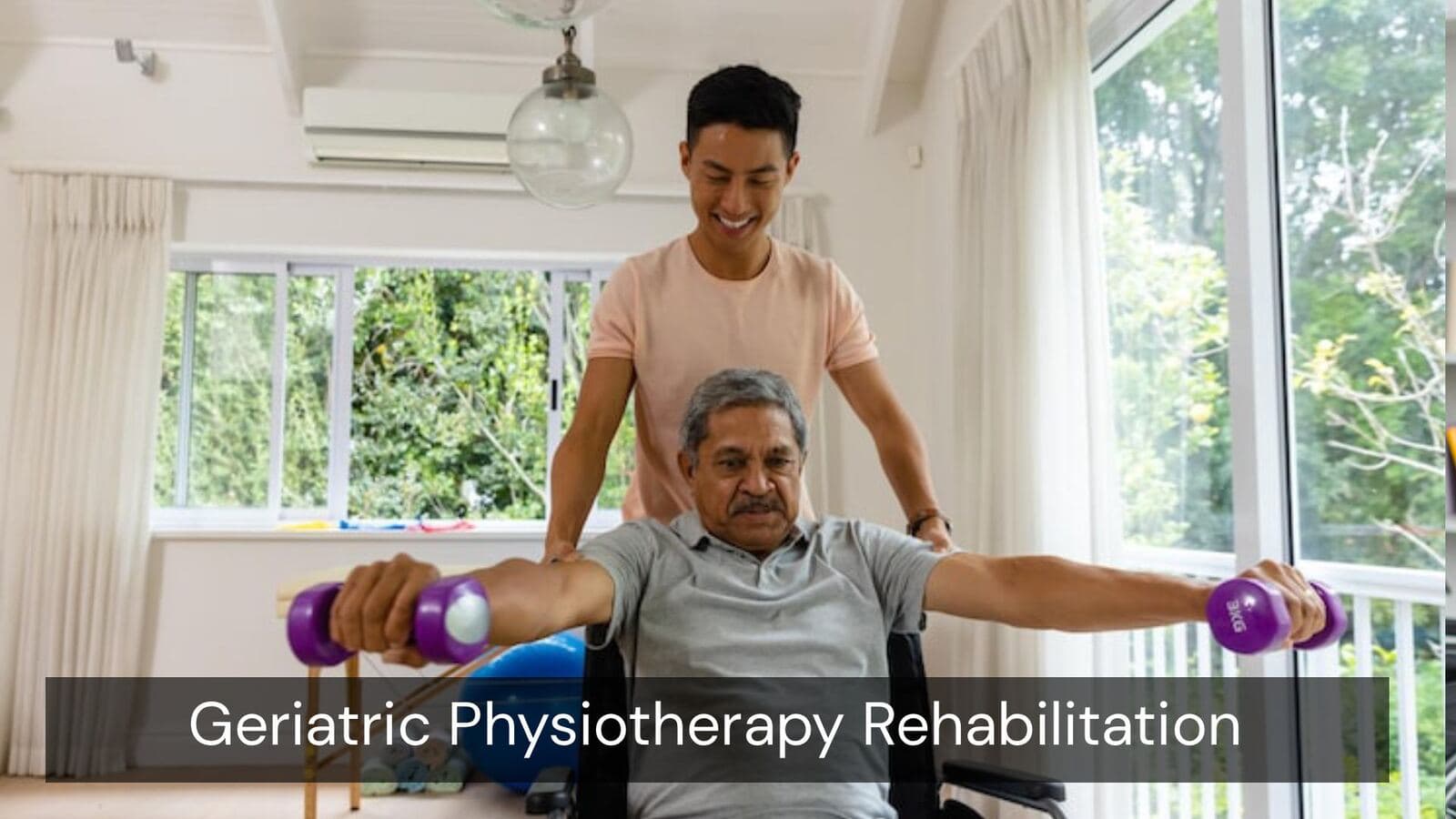
Geriatric Physiotherapy Rehabilitation | Healthy Aging Guide
Aging is a natural process, but the physical changes that accompany it can significantly impact quality of life and independence. For many seniors in Bangalore and beyond, conditions like arthritis, reduced mobility, balance issues, and post-surgical recovery become daily challenges. This is where g
Read More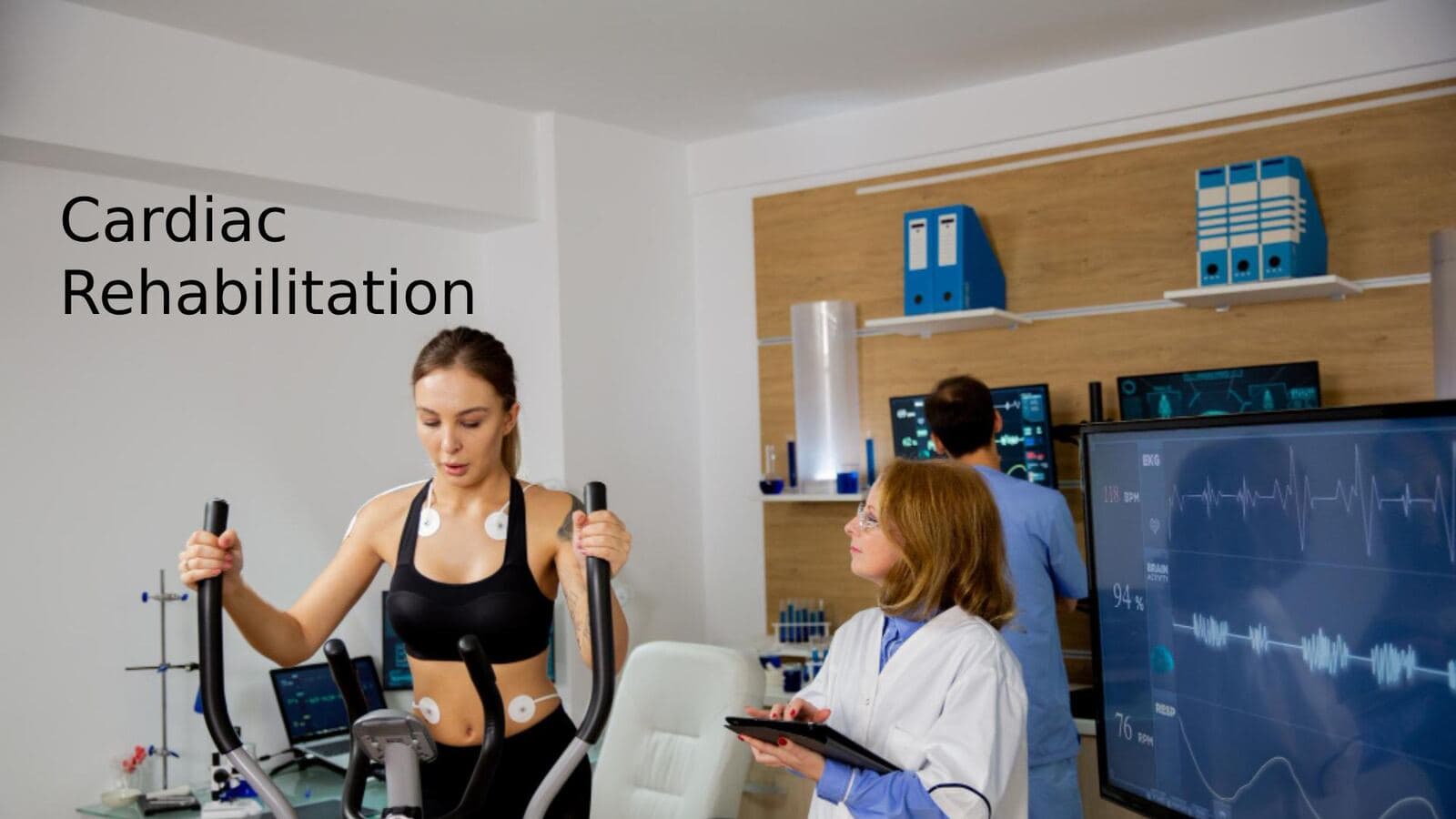
Cardiac Rehabilitation: Transforming Lives Through Cardio Physiotherapy
In the journey toward heart health recovery, cardiac rehabilitation stands as a beacon of hope and healing for heart attack survivors, post-surgery patients, and those with chronic heart conditions.
Read More


Need Professional Help?
Our expert physiotherapists are here to help you recover and stay healthy.