Geriatric Physiotherapy Rehabilitation | Healthy Aging Guide
Aging is a natural process, but the physical changes that accompany it can significantly impact quality of life and independence. For many seniors in Bangalore and beyond, conditions like arthritis, reduced mobility, balance issues, and post-surgical recovery become daily challenges. This is where g
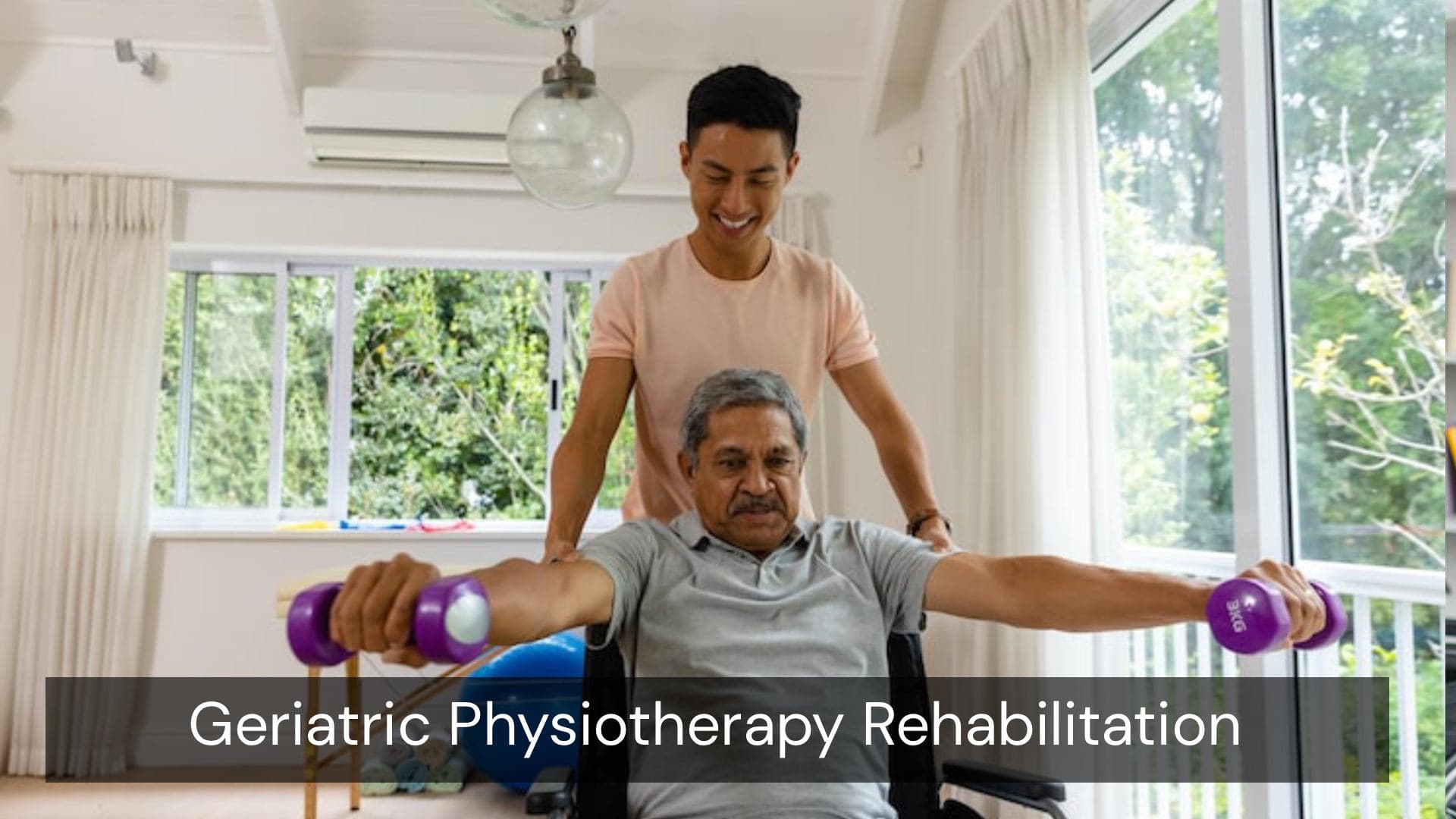
Aging is a natural process, but the physical changes that accompany it can significantly impact quality of life and independence. For many seniors in Bangalore and beyond, conditions like arthritis, reduced mobility, balance issues, and post-surgical recovery become daily challenges. This is where geriatric physiotherapy rehabilitation emerges as a life-changing intervention, offering older adults the opportunity to maintain strength, mobility, and independence well into their golden years.
At Physio At Your Doorstep , we specialize in bringing expert geriatric physiotherapy services directly to your home, ensuring that seniors receive the specialized care they need without the burden of traveling to a clinic. In this comprehensive guide, we’ll explore everything you need to know about geriatric physiotherapy rehabilitation, its benefits, treatment approaches, and how it can transform your life as an aging adult.
Understanding Geriatric Physiotherapy Rehabilitation: Definition and Scope
Geriatric physiotherapy rehabilitation, also known as geriatric physical therapy, is a specialized branch of physical rehabilitation that focuses exclusively on the unique health challenges faced by older adults aged 60 and above. Unlike general physiotherapy, geriatric rehabilitation takes into account the complex interplay of age-related physical changes, multiple chronic conditions (known as multimorbidity), and the specific physiological needs of aging bodies.
What Makes Geriatric Physiotherapy Different?
As we age, our bodies undergo significant physiological changes. These include:
- Muscle loss (sarcopenia) : Progressive decline in muscle mass and strength, typically accelerating after age 50
- Decreased bone density : Increased fragility and susceptibility to fractures, particularly in conditions like osteoporosis
- Reduced cardiovascular efficiency : Changes in heart function and reduced oxygen utilization capacity
- Neurological changes : Slower nerve conduction velocity and altered balance mechanisms
- Flexible joint restrictions : Reduced range of motion due to cartilage degeneration and connective tissue changes
Geriatric rehabilitation specialists understand these changes and design treatment protocols that address them holistically, rather than treating isolated symptoms.
Common Conditions Addressed by Geriatric Physiotherapy Rehabilitation
Age-Related Musculoskeletal Disorders
Osteoarthritis represents one of the most prevalent conditions affecting seniors. Unlike rheumatoid arthritis, osteoarthritis involves the progressive wear and tear of joint cartilage, particularly affecting weight-bearing joints like the knees, hips, and lumbar spine. Our specialized arthritis rehabilitation program focuses on maintaining joint mobility while reducing pain and inflammation.
Osteoporosis is a silent condition where bone density decreases, making fractures more likely even from minor falls. Geriatric physiotherapy rehabilitation includes weight-bearing exercises and resistance training to strengthen bones and improve stability.
Neurological Conditions
Post-stroke rehabilitation is critical for seniors who have experienced cerebrovascular accidents. Physiotherapy helps restore motor control, improve coordination, and rebuild functional independence. Our neurological physiotherapy services address conditions including:
- Stroke and hemiparesis (weakness on one side of the body)
- Parkinson’s disease
- Multiple sclerosis
- Diabetic neuropathy
- Balance disorders and vertigo
Post-Surgical Recovery
Following procedures like joint replacements, seniors often face significant mobility challenges. Geriatric rehabilitation after surgery accelerates healing and restores functional capacity. Learn more about our post-surgical rehabilitation approach .
Fall Risk and Balance Impairment
Falls represent a major health threat to older adults, often leading to serious injuries and loss of independence. Geriatric physiotherapy rehabilitation includes specialized balance training, proprioceptive exercises, and environmental assessments to reduce fall risk.
General Weakness and Deconditioning
Many seniors experience generalized weakness due to prolonged inactivity, hospitalization, or chronic illness. This condition, sometimes called hospital-associated disability (HAD), can be reversed through progressive strengthening and conditioning programs.
The Multidisciplinary Approach to Geriatric Rehabilitation
One of the hallmarks of effective geriatric physiotherapy rehabilitation is its multidisciplinary nature. While our physiotherapists form the core team, comprehensive geriatric rehabilitation often involves collaboration with:
- Geriatric physicians : Specialists trained specifically in older adult medicine
- Occupational therapists : Helping seniors regain skills for daily living activities
- Nurses : Providing comprehensive health monitoring and support
- Dieticians : Addressing nutritional needs, particularly for muscle health
- Psychologists : Supporting mental health and motivation
- Social workers : Facilitating discharge planning and community integration
This collaborative approach ensures that every aspect of an older adult’s health is addressed, not just physical function.
The Assessment Process: Foundation of Effective Rehabilitation
Proper assessment forms the foundation of successful geriatric physiotherapy rehabilitation. Our comprehensive evaluation process includes:
Functional Capacity Evaluation (FCE)
The FCE is a head-to-toe assessment that measures:
- Strength and muscle tone in major muscle groups
- Range of motion in all major joints
- Balance and coordination abilities
- Cardiovascular endurance
- Functional mobility (ability to sit, stand, walk, climb stairs)
- Activities of daily living (ADLs) capacity
- Cognitive function and communication abilities
Comprehensive Geriatric Assessment (CGA)
This holistic evaluation considers:
- Medical history and current medications
- Chronic conditions and comorbidities
- Nutritional status
- Cognitive and mental health status
- Social support systems
- Environmental hazards at home
- Pain assessment and quality of life measures
Outcome Measurement Tools
We use standardized, validated assessment tools including:
- Berg Balance Scale : Evaluating fall risk through 14 dynamic balance tasks
- Timed Up and Go (TUG) : Measuring mobility and fall risk
- Short Physical Performance Battery (SPPB) : Assessing lower extremity function
- Barthel Index : Measuring independence in activities of daily living
- Numeric Pain Rating Scale : Quantifying pain levels
These assessments provide objective baselines against which we measure progress throughout the rehabilitation journey.
Evidence-Based Treatment Techniques in Geriatric Rehabilitation
Progressive Strength Training
Strength training is the foundation of geriatric physiotherapy rehabilitation. Resistance exercises slow muscle loss and improve functional capacity. These programs progress gradually from:
- Phase 1 (Weeks 1-2) : Isometric exercises (muscle contraction without movement)
- Phase 2 (Weeks 3-4) : Isotonic exercises (movement against resistance)
- Phase 3 (Weeks 5+) : Progressive resistance with weights or resistance bands
Importantly, strength training in older adults has been shown to improve bone density, cardiovascular health, and even cognitive function.
Balance and Proprioceptive Training
Balance training is essential for fall prevention. Progressive balance exercises include:
- Static balance activities (standing on one leg, tandem stance)
- Dynamic balance training (weight shifting, reaching activities)
- Gait training with varying surface textures
- Vestibular training for inner ear function
- Proprioceptive retraining using specialized equipment
Research demonstrates that regular balance training reduces fall risk by up to 50% in community-dwelling seniors.
Manual Therapy Techniques
Hands-on treatment methods address pain and mobility restrictions:
- Joint mobilization : Gentle movement of joints to improve range and reduce stiffness
- Soft tissue massage : Alleviating muscle tension and improving circulation
- Myofascial release : Addressing restrictions in connective tissue
- Trigger point therapy : Releasing muscle knots and referred pain patterns
Pain Management Strategies
We employ multiple pain management approaches:
- Thermal modalities : Heat and cold therapy to reduce pain and inflammation
- Electrical stimulation : TENS (Transcutaneous Electrical Nerve Stimulation) units to block pain signals
- Manual therapy : Hands-on techniques that trigger pain relief mechanisms
- Exercise-based analgesia : Movement that naturally increases endorphin production
- Patient education : Teaching pain science and self-management strategies
Neuroplasticity and Stroke Recovery
For seniors recovering from stroke or other neurological conditions, we employ techniques that encourage the brain to form new neural pathways:
- Task-specific training : Repetitive practice of functional movements
- Constraint-induced movement therapy : Encouraging use of affected limbs
- Functional electrical stimulation : Using electrical current to assist movement
- Mirror therapy : Using visual feedback to promote motor recovery
The Geriatric Physiotherapy Rehabilitation Process: Timeline and Progression
Initial Assessment Phase (Weeks 1-2)
During the initial phase, our physiotherapist conducts a thorough evaluation, establishes baseline measurements, and develops your personalized rehabilitation plan. We educate you about your condition and set realistic, achievable goals together.
Early Intervention Phase (Weeks 3-4)
This phase focuses on:
- Pain and swelling management
- Protection of healing tissues
- Gentle mobility exercises
- Patient education and home exercise introduction
- Establishing consistent exercise routines
Progressive Strengthening Phase (Weeks 5-12)
As pain decreases and mobility improves, we progressively increase:
- Exercise intensity and resistance
- Functional task complexity
- Balance challenge levels
- Endurance requirements
- Community reintegration activities
Functional Independence Phase (Weeks 12+)
In this phase, focus shifts to:
- Maximizing functional capacity
- Community ambulation and reintegration
- Return to leisure and social activities
- Prevention strategies and long-term maintenance
- Transition to independent or supervised home exercise
Maintenance and Long-Term Management
Unlike acute physiotherapy, geriatric rehabilitation often requires ongoing maintenance programs to prevent decline and maintain independence. This may involve:
- Monthly or quarterly check-ins
- Periodic program progression
- Seasonal activity adjustments
- Preventive interventions
Benefits of Geriatric Physiotherapy Rehabilitation: Transforming Lives
Physical Benefits
- Improved mobility and flexibility : Increased range of motion and ease of movement
- Enhanced strength and endurance : Better ability to perform daily activities without fatigue
- Reduced pain : Effective management of chronic pain conditions
- Improved balance and coordination : Significantly reduced fall risk
- Better cardiovascular health : Improved heart function and oxygen utilization
- Enhanced bone density : Reduced fracture risk through weight-bearing exercise
Functional Benefits
- Independence in activities of daily living : Ability to bathe, dress, toileting, and eat without assistance
- Safe mobility : Walking, climbing stairs, and transferring without fear
- Instrumental activities : Managing household tasks like cooking, shopping, and medication management
- Community reintegration : Returning to social activities and leisure pursuits
- Reduced hospitalization : Fewer emergency visits and hospital admissions through improved health maintenance
Psychological and Social Benefits
- Enhanced quality of life : Greater satisfaction and enjoyment of daily life
- Improved confidence : Reduced anxiety about falling or functional loss
- Better mood and mental health : Exercise naturally improves mental well-being
- Social engagement : Increased participation in community activities and social events
- Sense of control : Empowerment through active participation in recovery
- Reduced depression : Particularly important as depression is common in older adults experiencing functional decline
Why Home-Based Geriatric Physiotherapy Rehabilitation is Superior
Traditional clinic-based physiotherapy, while valuable, presents significant challenges for seniors:
- Transportation difficulties : Driving restrictions or reliance on caregivers
- Pain during travel : Discomfort from mobility limitations
- Environmental unfamiliarity : Anxiety in unfamiliar settings
- Reduced comfort : Stress in clinical environments
- Limited family involvement : Family members often unable to attend sessions
Our home-based approach at Physio At Your Doorstep addresses these barriers by:
- Eliminating travel : Expert care delivered directly to your home in Bangalore
- Familiar environment : Rehabilitation in the comfort and safety of your own space
- Enhanced compliance : Easier adherence to treatment plans when therapy happens at home
- Family involvement : Caregivers and family members can observe and participate in sessions
- Environmental assessment : Our physiotherapists can identify and modify home hazards
- Practical exercise programs : Learning movements and exercises in the spaces where you’ll perform them
- 24/7 availability : Our doctors are on call around the clock for your convenience
Special Considerations in Geriatric Rehabilitation
Managing Multiple Chronic Conditions (Multimorbidity)
Most seniors have multiple coexisting conditions. Our physiotherapists are trained to:
- Address multiple conditions simultaneously without causing harm
- Modify exercise programs based on medication interactions
- Monitor for medication side effects that impact rehabilitation
- Coordinate care with other healthcare providers
- Adapt programs based on disease progression
Cognitive Impairment and Dementia
For seniors with cognitive changes, geriatric rehabilitation includes:
- Simplified, repetitive instruction methods
- Increased caregiver involvement in learning
- Cue systems to support memory
- Modified exercises that don’t require complex instructions
- Environmental modifications for safety
Addressing Emotional Factors
Loss of independence often triggers depression and anxiety. We address these through:
- Goal-setting that emphasizes small, achievable victories
- Motivational coaching and encouragement
- Connection to community resources and support groups
- Emphasis on what seniors CAN do, not limitations
- Celebration of progress and milestones
Geriatric Physiotherapy Rehabilitation and Fall Prevention: A Critical Focus
Falls represent the leading cause of injury-related death and disability in older adults. Geriatric physiotherapy rehabilitation significantly reduces fall risk through:
Strength Training
Strong legs and core muscles provide stability and protect against falls. Progressive resistance training builds the muscle power necessary for safe movement.
Balance and Proprioception Training
Specialized exercises improve the body’s ability to sense position in space and maintain equilibrium, crucial for preventing falls on uneven surfaces or during unexpected challenges.
Gait Training
Many older adults develop abnormal walking patterns that increase fall risk. Our physiotherapists correct these patterns through targeted gait training.
Flexibility and Range of Motion
Improved flexibility allows safer, more natural movement patterns and reduces compensatory movements that lead to falls.
Environmental Assessment and Modification
Our physiotherapists evaluate your home environment and recommend:
- Removal of trip hazards (loose rugs, clutter)
- Installation of handrails and grab bars
- Improved lighting in critical areas
- Furniture arrangement for safe mobility
- Footwear recommendations
Research shows that comprehensive fall prevention programs reduce fall risk by approximately 35%, with even greater reductions when combined with medication review.
Comparing Geriatric Rehabilitation: In-Clinic vs. Home-Based vs. Community Programs
In-Clinic Settings
-
Pros: Specialized equipment, group dynamics, structured environment
-
Cons: Transportation challenges, accessibility barriers, limited ecological validity Home-Based Rehabilitation
-
Pros: No transportation needed, family involvement, functional training in real environment, improved compliance
-
Cons: Limited equipment, may require more creativity in programming Community Programs
-
Pros: Social engagement, peer support, cost-effective
-
Cons: Less personalization, may not accommodate severe mobility restrictions
The ideal approach often combines these settings, starting with home-based intensive rehabilitation, progressing to community programs as function improves.
The Role of Exercise Compliance in Geriatric Rehabilitation Success
Research from the American Physical Therapy Association (APTA) shows that exercise adherence significantly influences outcomes including frailty, mobility speed, functional independence, and even life expectancy.
Key Barriers to Exercise Adherence
Studies identify several barriers that reduce compliance:
- Insufficient time or difficulty fitting exercise into daily schedules
- Lack of social support and accountability
- No appropriate place to exercise
- Limited finances or transportation
- Fear of falling or causing injury
- Pain during or after exercise
Strategies to Improve Adherence
Our physiotherapists employ evidence-based strategies:
- Motivational coaching : Building intrinsic motivation through goal-setting
- Self-efficacy : Helping you believe in your ability to succeed
- Outcome expectation : Clearly demonstrating how exercises lead to desired results
- Social support : Involving family and caregivers
- Home-based programs : Eliminating transportation barriers
- Progress tracking : Visual evidence of improvement through measurements and assessments
- Gradual progression : Maintaining appropriate challenge levels
- Enjoyable activities : Incorporating movement seniors enjoy, not just prescribed exercises
Latest Technology in Geriatric Rehabilitation
Modern technology enhances geriatric rehabilitation outcomes. We utilize:
- Wearable devices : Monitoring vital signs and activity levels during recovery
- AI-assisted movement analysis : Identifying subtle movement abnormalities for correction
- Telehealth capabilities : Remote support and follow-up care
- Digital exercise libraries : Helping seniors maintain programs between sessions
- Video recording and analysis : Improving exercise form and technique
- Robotic-assisted therapy : For severe mobility impairments, enabling safe movement training
Discover more about our latest physiotherapy technologies .
Recovery Timeline: What to Expect from Geriatric Rehabilitation
Recovery timelines vary based on condition severity, age, overall health, and compliance. However, general timelines include:
Post-Fracture (Hip, Wrist, Ankle)
- Weeks 1-4 : Pain management, gentle mobility, early weight-bearing progression
- Weeks 5-12 : Progressive strengthening, functional movement training
- Months 3-6 : Return to independent walking and light activities
- Months 6+ : Full functional recovery and prevention program
Post-Joint Replacement
- Weeks 1-6 : Swelling control, passive and active-assisted range of motion
- Weeks 6-12 : Progressive strengthening, stair training, community ambulation
- Months 3-6 : Advanced strength training, return to leisure activities
- Months 6+ : Long-term maintenance and prevention
Stroke Recovery
- Days 1-7 : Acute care physiotherapy, prevention of complications
- Weeks 2-4 : Initial rehabilitation, motor control retraining
- Months 1-6 : Intensive neuroplasticity-based training
- Months 6+ : Long-term recovery (neuroplasticity continues for 18+ months)
General Weakness/Deconditioning
- Weeks 1-4 : Safe baseline establishment, motivation building
- Weeks 5-12 : Progressive conditioning and strengthening
- Months 3-6 : Advanced functional training, community reintegration
- Months 6+ : Maintenance and fall prevention program
Nutrition’s Role in Geriatric Physiotherapy Rehabilitation
Exercise alone isn’t sufficient for optimal recovery. Proper nutrition is essential:
Protein Requirements
Older adults require 1.0-1.2 grams of protein per kilogram of body weight daily to support muscle protein synthesis and prevent sarcopenia.
Specific Nutrients for Rehabilitation
- Vitamin D : Essential for bone health and muscle function
- Calcium : Supporting bone strength and density
- Antioxidants : Reducing inflammation and exercise-induced muscle damage
- Omega-3 fatty acids : Anti-inflammatory benefits for arthritis and recovery
- B vitamins : Supporting energy metabolism and neurological function
Adequate hydration is equally important, as older adults often have diminished thirst sensation.
Cost-Effectiveness and Long-Term Benefits of Geriatric Rehabilitation
While geriatric physiotherapy rehabilitation requires initial investment, the long-term cost-benefit is substantial:
Reduced Healthcare Costs
- Fewer hospital admissions (each hospitalization costs thousands)
- Reduced emergency department visits
- Decreased need for skilled nursing facilities
- Lower medication requirements through improved self-management
Improved Quality of Life
- Extended independence (potentially years of living in your own home)
- Maintained social engagement and community participation
- Reduced caregiver burden and costs
- Enhanced psychological well-being and mental health
Prevention of Secondary Complications
- Reduced fall risk and fracture prevention
- Prevention of pressure sores through mobility
- Reduced contractures and stiffness
- Prevention of secondary conditions from inactivity
Studies show that every rupee invested in geriatric rehabilitation returns 2 to 4 times in healthcare savings and improved quality-of-life metrics.
Conclusion: Reclaiming Independence Through Geriatric Physiotherapy Rehabilitation
Aging brings changes, but it doesn’t have to bring loss of independence or quality of life. Geriatric physiotherapy rehabilitation represents a powerful, evidence-based approach to maintaining strength, mobility, balance, and functional independence throughout your later years.
Whether you’re recovering from surgery, managing chronic conditions like arthritis, rebuilding strength after hospitalization, or simply wanting to prevent falls and maintain your active lifestyle, geriatric rehabilitation can make a profound difference.
At Physio At Your Doorstep , our specialized team of geriatric physiotherapy experts brings personalized, evidence-based rehabilitation directly to your home across Bangalore. We understand the unique challenges faced by older adults and are committed to helping you achieve your rehabilitation goals with compassion, expertise, and convenience.
Your independence is precious. Your quality of life matters. And you don’t have to travel to a clinic to receive world-class rehabilitation—we come to you.
Ready to begin your geriatric rehabilitation journey? Contact Physio At Your Doorstep today. Our doctors are on call 24/7, and our team is ready to help you move better, function better, and live better.
Related Resources and Further Reading
- Geriatric Physiotherapy for Arthritis: A Recovery Guide – Specialized treatment approaches for age-related joint conditions
- Physiotherapy in Neurological Conditions & Recovery Guide – Comprehensive rehabilitation for stroke and neurological disorders
- The Role of Physiotherapy in Post-Surgical Rehabilitation – Optimizing recovery after surgical procedures
- Latest Technology in Physiotherapy: Smart Techniques – Innovative approaches enhancing rehabilitation outcomes Disclaimer: This article is for informational purposes and should not replace professional medical advice. Always consult with a qualified healthcare provider before beginning any rehabilitation program. Individual results vary based on specific conditions and compliance with treatment protocols.
Frequently Asked Questions
-
At what age should seniors consider geriatric physiotherapy? Geriatric physiotherapy is appropriate for any older adult experiencing mobility limitations, pain, or functional decline. This typically begins at age 60, but can be beneficial earlier for those with specific conditions. The key is addressing problems early—waiting until serious disability develops makes rehabilitation more challenging.
-
Can someone with multiple chronic conditions benefit from physiotherapy? Absolutely. In fact, multimorbidity is the norm in geriatric populations. Expert geriatric physiotherapists are trained to manage multiple conditions simultaneously. Exercise often improves multiple conditions—for example, strengthening exercises benefit both arthritis and diabetes management.
-
Is home physiotherapy as effective as clinic-based therapy? Research demonstrates that home-based physiotherapy is equally effective, with some advantages. Patients often show better compliance with home-based programs, and the functional training happens in the environment where patients will perform activities, improving transfer of skills to daily life
-
How long does geriatric rehabilitation typically take? Recovery timelines vary based on condition severity, age, and compliance. Most seniors see significant improvements within 4-6 weeks, with continued progress over months. However, geriatric rehabilitation is often viewed as an ongoing process rather than a fixed-duration treatment.
-
What if I'm afraid of falling during exercise? Fear of falling is common and valid. Our physiotherapists are experts in safe exercise progression, starting with low-risk activities and gradually building confidence. We use assistive devices, supportive furniture, and hands-on guarding to ensure safety. Fear of falling often decreases as confidence and strength improve.
-
Can I do physiotherapy exercises at home without supervision? While some exercises can be performed independently, supervised physiotherapy is important initially to learn proper technique and progression. Once techniques are mastered, home exercise is valuable for maintenance and long-term adherence.
-
How often should seniors engage in physiotherapy? Intensive rehabilitation typically involves 2-3 sessions weekly. Maintenance programs might be weekly or bi-weekly. Our physiotherapists will recommend frequency based on your specific situation and goals.
-
Is physiotherapy suitable for very frail or terminally ill seniors? Yes. Physiotherapy is beneficial across the continuum of aging, including for frail and palliative patients. For these populations, goals shift from aggressive rehabilitation to maintaining comfort, dignity, and functional independence within realistic parameters
-
What should I wear during physiotherapy sessions? Wear comfortable, loose-fitting clothing that allows full range of motion. Avoid restrictive garments and jewelry. Supportive, slip-on shoes are ideal. Our physiotherapists will provide specific recommendations.
-
Can family members participate in physiotherapy sessions? Yes, we encourage family member participation. Caregivers can learn exercises they can help reinforce between sessions, and their presence often improves motivation and compliance.
Related Service
Geriatric Physiotherapy at Home
Book a certified physiotherapist for geriatric physiotherapy across Bangalore & Pune.
Related Articles

Physio for Elderly in Bangalore at Home: The Complete Guide for Families in 2026
Home physiotherapy has become the preferred choice for Bangalore families who want expert, doctor-guided rehabilitation for seniors without the risk and stress of clinic visits. Here is what it involves, which conditions it treats, and how to choose the right provider.
Read More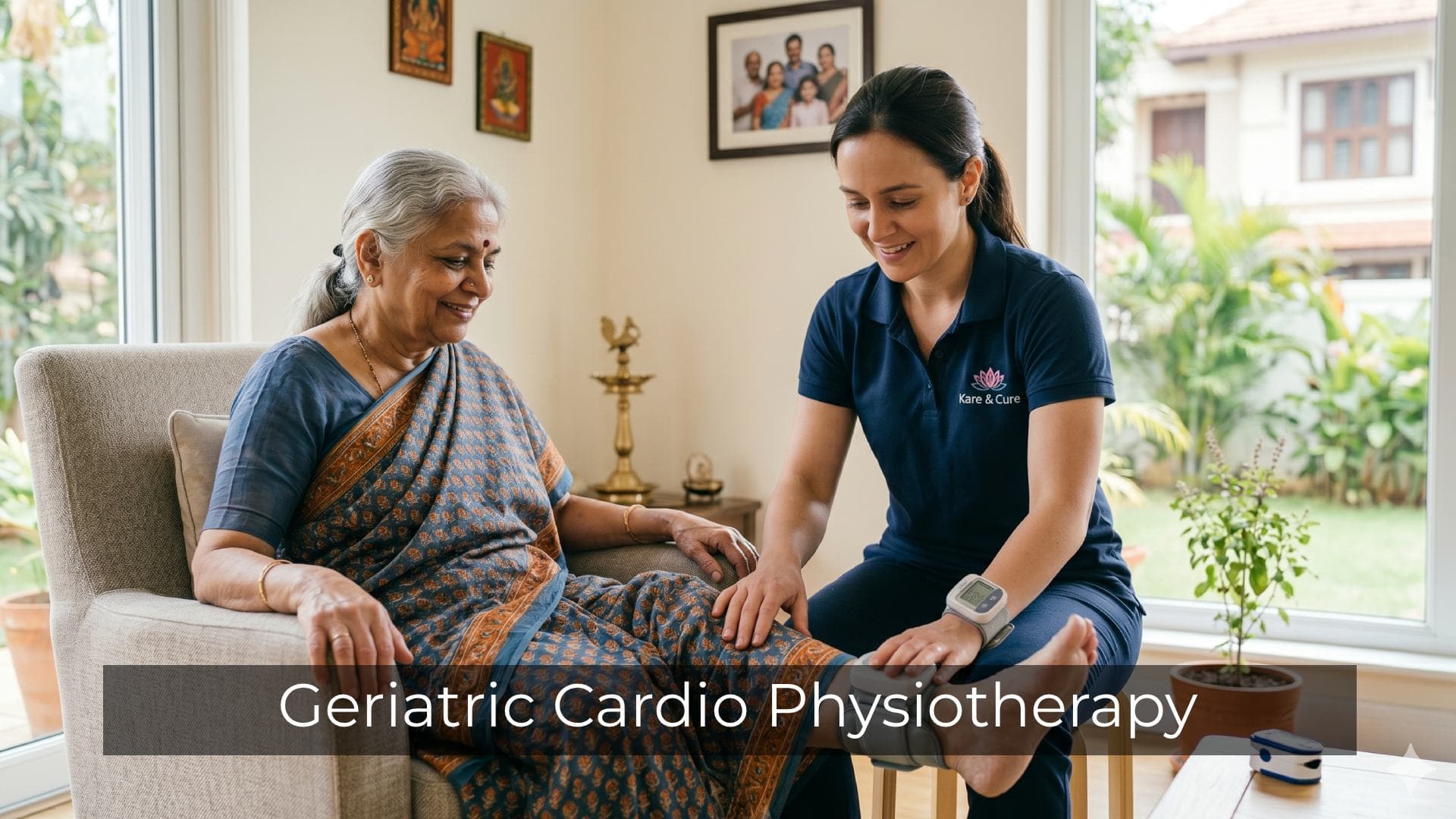
Geriatric Cardio Physiotherapy: Exercise and Care Guide
The heart does not age in isolation. As the body grows older, the cardiovascular system quietly undergoes a series of structural and functional changes.
Read More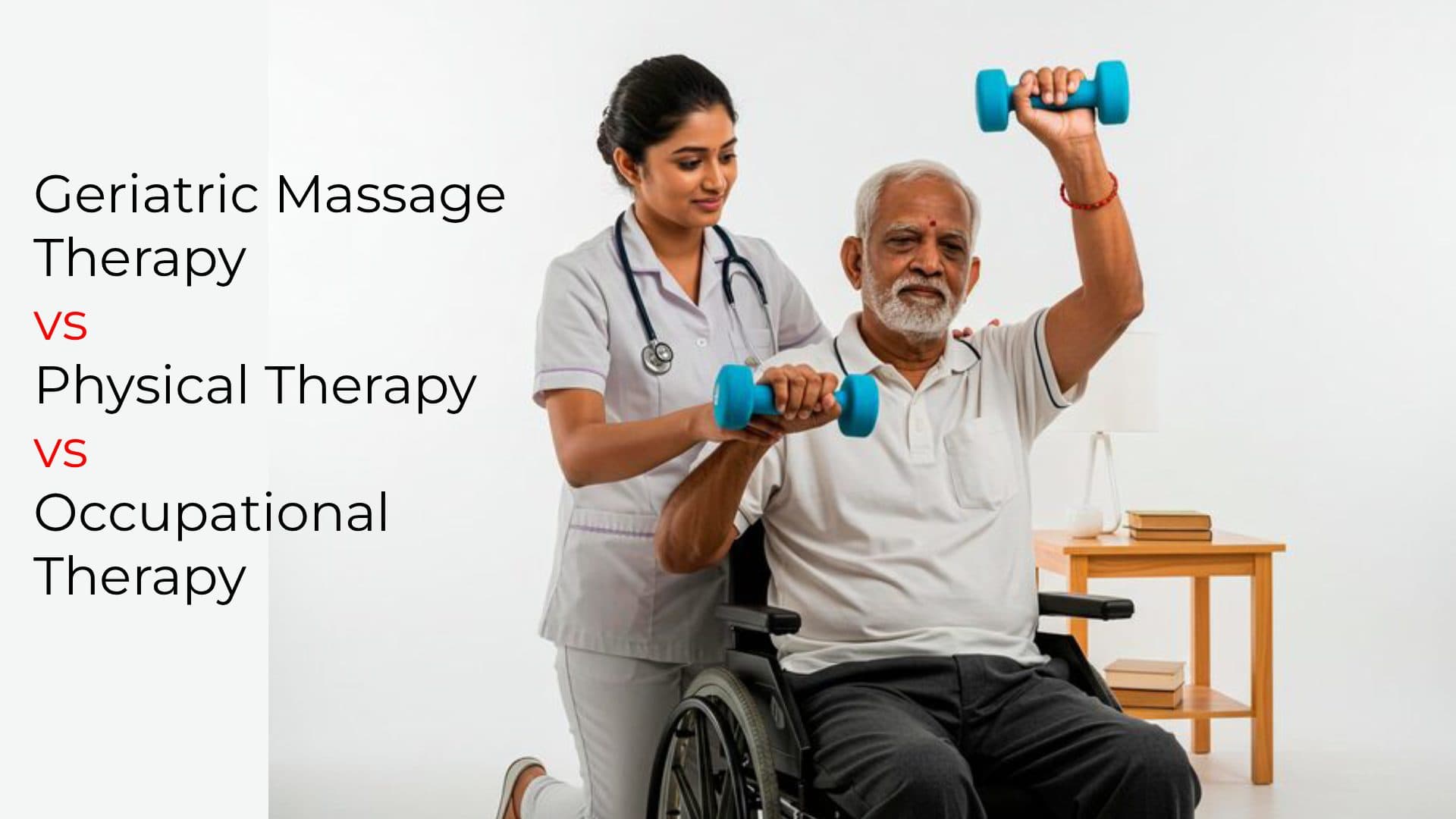
Massage Therapy vs Physical Therapy vs OT : Geriatric Care
When an older adult starts experiencing chronic pain, reduced mobility, or difficulty managing daily tasks, families often find themselves facing a maze of treatment options. Geriatric massage therapy, geriatric physical therapy, and geriatric occupational therapy are three of the most commonly recommended approaches, yet most people have little clarity on what each actually involves.
Read MoreNeed Professional Help?
Our expert physiotherapists are here to help you recover and stay healthy.