The Crucial Role of Physiotherapy in Post-Surgical Rehabilitation
Surgery is often a necessary intervention for many health conditions, but the journey to complete recovery doesn't end when you leave the operating room. Post-surgical rehabilitation plays a vital role in ensuring optimal healing, restoring function, and helping patients return to their normal activities.
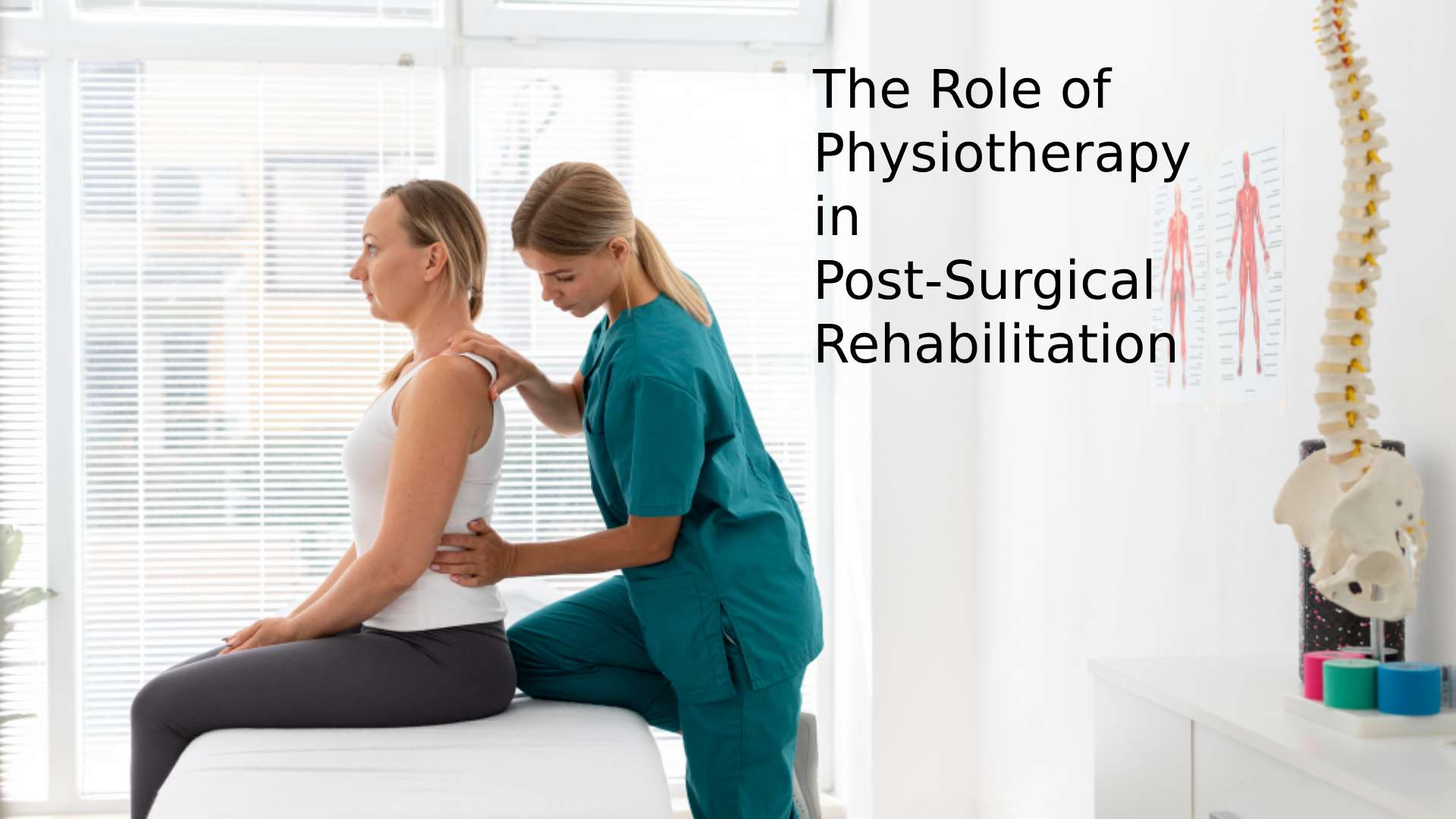
Surgery is often a necessary intervention for many health conditions, but the journey to complete recovery doesn't end when you leave the operating room. Post-surgical rehabilitation plays a vital role in ensuring optimal healing, restoring function, and helping patients return to their normal activities. At Physio At Your Doorstep, we understand that proper physiotherapy following surgery can make the difference between merely recovering and thriving after a surgical procedure.
In this comprehensive guide, we'll explore how physiotherapy facilitates post-surgical rehabilitation, the techniques involved, recovery timelines, and practical advice for patients navigating their healing journey.
Understanding Post-Surgical Rehabilitation
Post-surgical rehabilitation refers to the structured process of helping patients recover physically and functionally after undergoing surgery. This specialized form of rehabilitation addresses the unique challenges that arise following surgical procedures, including:
- Managing pain and inflammation
- Restoring mobility and range of motion
- Regaining strength and endurance
- Preventing complications like blood clots or infections
- Improving balance and coordination
- Facilitating a safe return to daily activities and work
The ultimate goal of post-surgical rehabilitation is to help patients achieve the best possible outcome following their surgery, enabling them to return to their previous level of function, or even improve beyond it in some cases.
Why Physiotherapy is Essential After Surgery
Many patients wonder if physiotherapy is truly necessary after surgery. The research unequivocally shows that professional rehabilitation offers significant benefits:
1. Accelerated Healing and Recovery
Physiotherapy helps stimulate blood circulation to the surgical site, delivering oxygen and nutrients essential for tissue repair. Controlled, progressive movement also helps prevent excessive scar tissue formation, which can restrict mobility and function if left unaddressed.
2. Pain Management and Reduction
Rather than relying solely on medication for pain relief, physiotherapy offers effective non-pharmacological approaches to pain management. Techniques such as manual therapy, therapeutic exercises, and modalities like heat or cold therapy can significantly reduce post-surgical pain and discomfort.
3. Prevention of Complications
Immobility after surgery increases the risk of serious complications such as deep vein thrombosis (blood clots), pneumonia, and muscle atrophy. Early mobilization guided by a physiotherapist can significantly reduce these risks while ensuring movement is safe for your specific surgical procedure.
4. Restoration of Function and Independence
Perhaps most importantly, physiotherapy helps you regain your independence by improving strength, mobility, and functional abilities. This is particularly critical following orthopedic surgeries, where proper rehabilitation directly influences the functional outcome.
5. Education and Self-Management
A good physiotherapist doesn't just treat you—they educate you about your condition, the healing process, and how to manage your recovery. This empowers you to take an active role in your rehabilitation and make informed decisions about your health.
Common Surgeries Requiring Physiotherapy Rehabilitation
While virtually all surgeries can benefit from some form of physiotherapy, certain procedures almost always necessitate a structured rehabilitation program:
Orthopedic Surgeries
- Joint Replacements: Hip, knee, and shoulder replacements require specialized protocols to ensure proper healing and function of the new joint.
- ACL Reconstruction: Following anterior cruciate ligament repair, progressive rehabilitation is essential to restore knee stability and function.
- Spinal Surgeries: Procedures such as discectomy, laminectomy, or spinal fusion require careful rehabilitation to restore mobility while protecting the surgical site.
- Fracture Repairs: After surgical fixation of fractures, physiotherapy helps restore strength and function to the affected limb.
Cardiac Surgeries
- Coronary Artery Bypass Grafting (CABG)
- Heart Valve Replacements
- Cardiac Transplantation
Neurological Surgeries
- Brain Surgeries
- Spinal Cord Surgeries
Abdominal Surgeries
- Hernia Repairs
- Cesarean Sections
- Abdominal Organ Surgeries
The Post-Surgical Rehabilitation Process at Physio At Your Doorstep
At Physio At Your Doorstep, we follow a comprehensive, evidence-based approach to post-surgical rehabilitation:
Initial Assessment
Before beginning treatment, our physiotherapists conduct a thorough assessment to understand:
- The nature of your surgery
- Your current physical condition
- Any pre-existing conditions that might impact your recovery
- Your goals and expectations
- Your home environment and support system
This information allows us to develop a personalized rehabilitation plan tailored to your specific needs and circumstances.
Phase 1: Acute Recovery (Typically 1-2 Weeks Post-Surgery)
During this initial phase, our focus is on:
- Pain and swelling management: Using techniques such as gentle manual therapy, modalities like ice or heat, and appropriate positioning.
- Protecting the surgical site: Ensuring all activities are safe and don't compromise the healing process.
- Gentle mobility exercises: Introducing movement within safe parameters to prevent stiffness and complications.
- Patient education: Teaching proper wound care, precautions, and early home exercises.
Phase 2: Mobility and Basic Strengthening (Typically 2-6 Weeks Post-Surgery)
As initial healing progresses, we advance to:
- Progressive range of motion exercises: Gradually increasing the extent of movement as tolerated.
- Introduction of light strengthening exercises: Beginning to rebuild muscle strength with appropriate resistance.
- Functional activities: Practicing basic movements required for daily activities.
- Gait training: For lower limb surgeries, ensuring proper walking patterns are established.
Phase 3: Advanced Strengthening and Functional Training (Typically 6-12 Weeks Post-Surgery)
In this phase, we focus on:
- Progressive resistance training: Building strength and endurance more aggressively.
- Balance and proprioception exercises: Improving awareness of body position and movement.
- Task-specific training: Practicing the specific movements required for your work, hobbies, or sports.
- Cardiovascular conditioning: Rebuilding overall fitness and endurance.
Phase 4: Return to Activity (Typically 3-6 Months Post-Surgery)
The final phase prepares you for a full return to your desired activities:
- Sport-specific or activity-specific training: For those returning to athletics or demanding physical activities.
- Work hardening: For those with physically demanding occupations.
- Final functional assessment: Ensuring all goals have been met before discharge.
- Maintenance program: Developing a plan for continued fitness and health after formal rehabilitation ends.
Techniques Used in Post-Surgical Rehabilitation
Our physiotherapists at Physio At Your Doorstep employ a wide range of evidence-based techniques to facilitate your recovery:
Manual Therapy
- Joint mobilizations: Gentle movements applied to joints to improve mobility and reduce pain.
- Soft tissue mobilization: Techniques to address muscle tension and improve tissue mobility.
- Scar tissue management: Specific approaches to minimize restrictive scarring and adhesions.
Therapeutic Exercise
- Range of motion exercises: To maintain or improve joint mobility.
- Strengthening exercises: Progressive resistance training to rebuild muscle strength.
- Neuromuscular re-education: Techniques to improve muscle activation and coordination.
- Balance and proprioception training: Exercises to improve stability and body awareness.
Modalities
- Thermotherapy: The application of heat to increase blood flow and relax muscles.
- Cryotherapy: The application of cold to reduce pain and inflammation.
- Electrical stimulation: Various forms of electrical current used to manage pain or facilitate muscle contraction.
Functional Training
- Gait training: Improving walking patterns after lower extremity surgeries.
- Transfer training: Learning to safely move between positions (e.g., sit to stand).
- Activity-specific training: Practicing the movements required for specific work or leisure activities.
Customized Home Exercise Programs for Continued Progress
One of the most crucial aspects of successful post-surgical rehabilitation is adherence to a home exercise program (HEP). At Physio At Your Doorstep, we create personalized exercise programs that:
- Complement your in-person physiotherapy sessions
- Are realistic and manageable within your daily routine
- Include clear instructions and visual guides
- Progress appropriately as you recover
- Address your specific goals and needs
Research shows that patients who consistently follow their home exercise programs achieve better outcomes than those who rely solely on in-clinic sessions. However, studies also indicate that only 35-50% of patients fully adhere to their home exercises.
To improve compliance, we:
- Educate you about the purpose and benefits of each exercise
- Simplify routines to make them more manageable
- Provide clear written and visual instructions
- Set realistic expectations about frequency and duration
- Follow up regularly to address any challenges or questions
Recovery Timelines and Milestones
While every patient's recovery journey is unique, understanding general timelines can help set realistic expectations. Here are typical recovery milestones for common surgeries:
Total Knee Replacement
- Weeks 1-2: Walking with assistive device, achieving 0-90 degrees of knee flexion
- Weeks 3-6: Transitioning from walker to cane, achieving 0-120 degrees of knee flexion
- Weeks 6-12: Walking without assistive devices, resuming light activities
- Months 3-6: Returning to most normal activities, continuing to strengthen
- Month 12: Achieving maximum medical improvement
ACL Reconstruction
- Weeks 1-2: Controlling pain and swelling, achieving full extension
- Weeks 2-6: Progressing weight-bearing, improving range of motion
- Weeks 6-12: Building strength, improving balance
- Months 3-6: Sport-specific training, agility exercises
- Months 6-9: Return to sport (varies based on individual progress)
Lumbar Discectomy
- Weeks 1-2: Walking daily, minimal sitting, basic core exercises
- Weeks 3-6: Increasing walking distance, progressive core strengthening
- Weeks 6-12: Return to light work duties, more advanced exercises
- Months 3-6: Return to most normal activities
- Months 6-12: Return to high-level physical activities (if appropriate)
It's important to note that these timelines are general guidelines. Your individual recovery may progress faster or slower depending on various factors including:
- Age and overall health
- Type and extent of surgery
- Pre-surgical fitness level
- Adherence to rehabilitation recommendations
- Individual healing capacity
- Presence of complications
The Advantage of Home-Based Physiotherapy for Post-Surgical Patients
At Physio At Your Doorstep, we specialize in bringing professional physiotherapy services directly to your home, which offers several unique advantages for post-surgical patients:
- Convenience and Comfort: After surgery, travel can be difficult, painful, and potentially risky. Home-based physiotherapy eliminates these challenges, allowing you to receive expert care in your home.
- Real-World Functional Training: Rehabilitation in your home environment allows our therapists to address the specific challenges you'll face in your daily life, such as navigating your particular staircase or bathroom setup.
- Reduced Infection Risk: Minimizing exposure to hospital or clinic environments can be beneficial, especially for patients with compromised immune systems following surgery.
- Family Involvement: Home-based sessions make it easier for family members or caregivers to participate in the rehabilitation process and learn how to best support you between sessions.
- Personalized Attention: Our one-on-one sessions in your home ensure you receive our therapist's undivided attention without the distractions of a busy clinic environment.
Optimizing Your Post-Surgical Rehabilitation Success
While professional physiotherapy is essential, your active participation in the rehabilitation process significantly impacts your outcomes. Here are some tips to maximize your recovery:
Follow Your Physiotherapist's Recommendations
- Adhere to your prescribed exercise program
- Respect precautions and restrictions
- Attend all scheduled sessions
- Communicate openly about pain or challenges
Manage Pain Appropriately
- Take prescribed medications as directed
- Use ice or heat as recommended
- Position yourself properly for comfort
- Distinguish between therapeutic discomfort and harmful pain
Maintain a Positive Mindset
- Set realistic expectations and goals
- Celebrate small improvements
- Practice stress-reduction techniques
- Seek emotional support when needed
Optimize Your Nutrition and Hydration
- Consume adequate protein to support tissue healing
- Stay well-hydrated
- Eat a balanced diet rich in fruits, vegetables, and whole grains
- Consider vitamin D and calcium supplements if recommended by your healthcare provider
Ensure Adequate Rest and Sleep
- Follow a consistent sleep schedule
- Create a comfortable sleep environment
- Avoid stimulants like caffeine before bedtime
- Use proper positioning to protect your surgical site during sleep
Conclusion: The Path to Optimal Recovery
Post-surgical rehabilitation through physiotherapy is not merely an optional add-on to surgery—it's an essential component of the complete treatment process. Research consistently demonstrates that appropriate, progressive rehabilitation significantly improves surgical outcomes, reduces complications, and enhances quality of life following surgery.
At Physio At Your Doorstep, we're committed to providing evidence-based, compassionate care to support your journey from surgery to full recovery. Our home-based physiotherapy services are designed to make this journey as comfortable and successful as possible, bringing expert care directly to you when you need it most.
If you're preparing for surgery or have recently undergone a procedure, we invite you to contact us to discuss how our post-surgical rehabilitation services can help you achieve the best possible outcome.
This article is meant for informational purposes only and does not constitute medical advice. Always consult with healthcare professionals regarding your specific medical condition and treatment options.
Frequently Asked Questions About Post-Surgical Physiotherapy
When should I start physiotherapy after surgery?
The timing varies depending on the procedure, but many surgeries now implement "accelerated rehabilitation" protocols that begin physiotherapy within days or even hours after surgery. Your surgeon will provide specific guidance about when to start, but generally, earlier intervention leads to better outcomes as long as it's done safely and appropriately.
Will physiotherapy after surgery be painful?
Some discomfort during post-surgical physiotherapy is normal as you work to regain mobility and strength. However, there's an important distinction between therapeutic discomfort and harmful pain. Your physiotherapist will carefully monitor your responses and adjust interventions accordingly. Communication is key—always inform your therapist about your pain levels.
How long will I need physiotherapy after my surgery?
The duration of rehabilitation varies widely depending on the type of surgery, your pre-surgical condition, your goals, and your individual progress. Some minor procedures may require only a few weeks of therapy, while complex reconstructive surgeries might necessitate 6-12 months of rehabilitation. Your physiotherapist will provide estimates based on your specific situation and adjust as needed.
Is home-based physiotherapy as effective as clinic-based rehabilitation?
Research shows that home-based physiotherapy can be equally effective for many post-surgical conditions when properly supervised by qualified professionals. At Physio At Your Doorstep, our physiotherapists bring the same expertise and many of the same tools to your home that you would find in a clinic setting, with the added benefit of rehabilitation in your actual living environment.
Will my insurance cover post-surgical physiotherapy?
Most health insurance plans cover post-surgical physiotherapy to some extent, particularly when it's prescribed by your surgeon. Coverage varies by plan, so we recommend checking with your insurance provider about specific benefits, limitations, and any pre-authorization requirements. Our team at Physio At Your Doorstep can assist with insurance verification.
What if I'm not making progress in my rehabilitation?
Most health insurance plans cover post-surgical physiotherapy to some extent, particularly when it's prescribed by your surgeon. Coverage varies by plan, so we recommend checking with your insurance provider about specific benefits, limitations, and any pre-authorization requirements. Our team at Physio At Your Doorstep can assist with insurance verification.
Can I do more exercises than prescribed to speed up my recovery?
More is not always better in rehabilitation. Your physiotherapist carefully designs your program to provide optimal stimulus for recovery without overtaxing healing tissues. Doing extra exercises or advancing too quickly can potentially cause setbacks. If you feel your program isn't challenging enough, discuss this with your physiotherapist rather than making changes independently.
References
- Emoryhealthcare.org. (2025). Rehab Timeline Expectations ACL Rehabilitation Program. [online] Available at: https://www.emoryhealthcare.org/centers-programs/acl-program/recovery/rehab-timeline
- Continental Hospitals. (2024). Role of Physical Therapy in Post-Surgical Rehabilitation. [online] Available at: https://continentalhospitals.com/blog/role-of-physical-therapy-in-post-surgical-rehabilitation/
- Orthopedic Specialists of SW Florida. (2024). The Science of Healing: The Role of Physical Therapy After Surgery. [online] Available at: https://www.osswf.com/the-science-of-healing-the-role-of-physical-therapy-after-surgery/
- Physio-pedia.com. (2020). Adherence to Home Exercise Programs. [online] Available at: https://www.physio-pedia.com/Adherence_to_Home_Exercise_Programs
- Jack, K., McLean, S.M., Moffett, J.K. et al. (2010). Barriers to treatment adherence in physiotherapy outpatient clinics: A systematic review. Manual Therapy, 15(3), 220-228.
- Hsu, J.R., Mir, H., Wally, M.K., & Seymour, R.B. (2019). Clinical Practice Guidelines for Pain Management in Acute Musculoskeletal Injury. Journal of Orthopaedic Trauma, 33(5), e158-e182.
- Mid-America Orthopedics. (2024). How Physical Therapy Aids Your Post-Surgery Recovery. [online] Available at: https://midamortho.com/post-surgical-rehabilitation-how-physical-therapy-accelerates-your-recovery/
Related Service
Post Surgical Physiotherapy at Home
Book a certified physiotherapist for post surgical physiotherapy across Bangalore & Pune.
Related Articles
Adhesion in Physiotherapy: A Complete Guide to Understanding and Treating Abdominal Adhesions
That pulling, tight, or stuck feeling around a surgical scar months later has a name: an adhesion. Here is why adhesions form, how physiotherapists assess them, and the research-backed techniques that reduce the pain and restriction they cause.
Read More
CTEV Post-Surgery Physiotherapy: Clubfoot Recovery Guide
When your child undergoes surgery for congenital talipes equinovarus (CTEV), commonly known as clubfoot, the journey to full recovery is just beginning. While surgical correction addresses the structural deformity, post-surgical physiotherapy is the cornerstone of successful long-term outcomes. With
Read More
CABG Post Surgical Physiotherapy Management: Rehab Guide
Comprehensive cardiac rehabilitation and physiotherapy management after Coronary Artery Bypass Graft surgery. Expert home-based care available across Bangalore, effective recovery.
Read MoreNeed Professional Help?
Our expert physiotherapists are here to help you recover and stay healthy.