Physiotherapy After Total Knee Replacement: Complete Recovery Guide
Physiotherapy after total knee replacement usually starts within a day of surgery and continues for about 3 months, with gains in strength and comfort carrying on for up to a year.
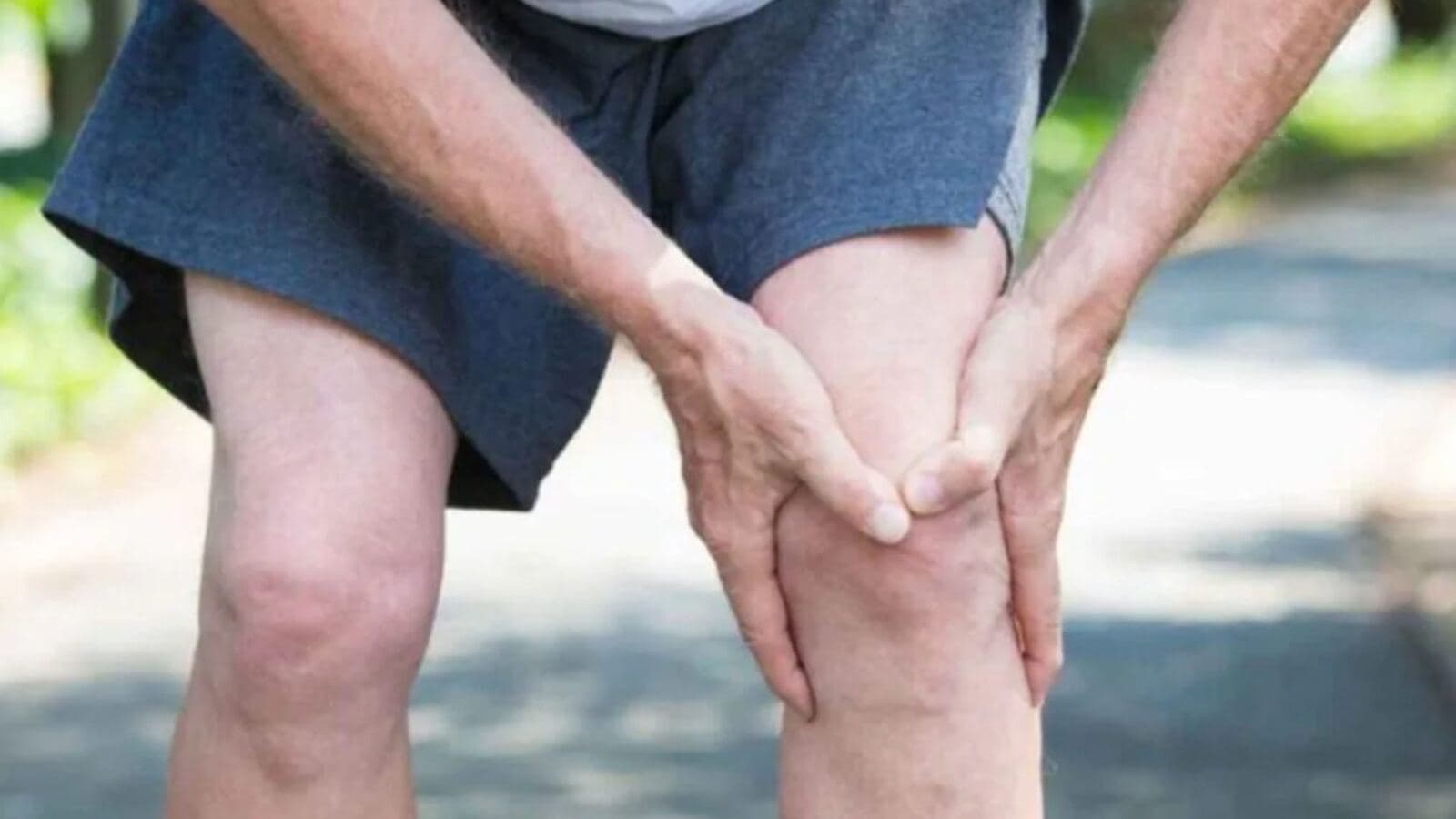
Physiotherapy after total knee replacement usually starts within a day of surgery and continues for about 3 months, with gains in strength and comfort carrying on for up to a year. Its job is simple to describe and hard to do alone: get the new knee bending and straightening, rebuild the thigh muscles, and get you walking confidently without support.
In this guide you will find a phase-wise recovery plan, the exercises physiotherapists commonly use, realistic milestones, warning signs, and how physiotherapy at home works for older patients and their families.
Quick answer: After a total knee replacement, most people go home within 1 to 4 days, walk with a frame or crutches at first, try walking without an aid from about 6 weeks, and return to most daily activities by 6 to 12 weeks. Full recovery takes several months or longer. Regular, guided physiotherapy is what turns a new joint into a working knee.
What is physiotherapy after total knee replacement?
Physiotherapy after total knee replacement is a structured rehabilitation programme that restores range of motion (how far the knee bends and straightens), quadriceps and hip strength, balance and walking after the damaged joint surfaces are replaced with an implant. It also manages pain and swelling and teaches safe ways to climb stairs, use the toilet and get in and out of bed.
Total knee replacement (TKR), also called total knee arthroplasty, is most often done for advanced osteoarthritis. The surgery removes the painful, worn surfaces. It does not automatically restore the muscle strength and movement that years of arthritis have taken away. That part comes from rehabilitation.
Does physiotherapy after knee replacement really help?
Yes. A 2015 systematic review and meta-analysis in BMC Musculoskeletal Disorders, covering 18 trials and 1,739 patients, found that physiotherapy exercise after total knee replacement improved physical function and pain at 3 to 4 months compared with minimal physiotherapy. The review did not find clear long-term differences, which is one reason to keep exercising after formal sessions end.
Knee replacement recovery time: what to expect
Knee replacement recovery time varies with age, fitness, pre-surgery stiffness and other health conditions. NHS guidance gives these typical milestones:
- Hospital stay: about 1 to 4 days.
- Walking aids: a frame or crutches at first, then one crutch or a stick, and walking without an aid from about 6 weeks if you feel ready.
- Stitches or clips: usually removed around 10 days.
- Driving: at least 6 weeks after a total knee replacement, once your doctor confirms you are fit to drive.
- Work: about 6 to 12 weeks, depending on the type of job.
- Heavy household tasks: avoid for the first 3 months.
- Full recovery: several months or longer.
How much should the knee bend?
Range of motion is measured in degrees. Zero degrees is a fully straight knee. Studies of everyday function after knee replacement suggest roughly 90 degrees of bend for stairs and slightly more to rise from a chair. Many protocols aim for about 90 degrees by around 2 weeks and steady gains after that, but targets vary by surgeon.
Activities common in Indian homes, such as sitting cross-legged on the floor or squatting on an Indian-style toilet, need far more bend and may also put extra stress on the implant. Ask your surgeon whether these are advisable for you. Most surgeons and physiotherapists recommend a Western commode, at least during recovery.
Phase-wise rehabilitation timeline after TKR
| Phase and timing | Main goals | Example knee replacement rehabilitation exercises (only as prescribed) | Typical milestones |
|---|---|---|---|
| Phase 1: Hospital, days 1 to 4 | Get moving safely, control pain and swelling, prevent clots | Ankle pumps, quad sets, heel slides, assisted bending, walking with a frame | Getting in and out of bed, walking short distances, using the toilet safely |
| Phase 2: Weeks 1 to 2 (home) | Bend and straighten the knee, wake up the quadriceps | Straight leg raises, short arc quads, seated knee bends, heel props for straightening | Knee straightening well, bend approaching 90 degrees in many protocols |
| Phase 3: Weeks 2 to 6 | Improve range, normal walking, early strength | Sit-to-stand from a chair, step-ups, mini squats with support, standing hamstring curls, static cycling when cleared | Moving from frame to stick, managing stairs with a rail |
| Phase 4: Weeks 6 to 12 | Strength, balance and endurance | Progressive strengthening, balance training, longer walks, cycling | Walking without an aid, return to most daily activities, driving if cleared |
| Phase 5: Months 3 to 12 | Long-term strength and fitness | Home programme, walking, cycling, swimming when the wound has healed and your surgeon agrees | Continued gains in comfort and strength, return to low-impact activities |
Early knee replacement rehabilitation exercises (examples)
These exercises appear in most hospital and AAOS guides. They are examples, not a prescription. Your physiotherapist will set the number of repetitions and progress them.
- Ankle pumps: move your foot up and down to keep blood flowing in the calf.
- Quad sets: tighten the front thigh muscle and press the back of the knee towards the bed.
- Straight leg raises: tighten the thigh and lift the straight leg a short distance.
- Heel slides: slide your heel towards your bottom to bend the knee.
- Short arc quads: with a towel roll under the knee, straighten the knee and lift the heel.
- Seated knee bends: sitting on a chair, slide the foot back under the chair to increase the bend.
The AAOS exercise guide suggests regular exercise sessions of about 20 to 30 minutes, often two to three times a day in the early weeks, alongside short walks. Some pain or stretching during exercise is expected, but pain that persists long after exercise should be reported.
Can physiotherapy after knee replacement be done at home?
Yes. Much of physiotherapy after total knee replacement can be done at home, particularly in the first 6 to 12 weeks, when the exercises need only a bed, a firm chair, a step and a towel roll. A 2021 review in the Archives of Orthopaedic and Trauma Surgery reported no significant difference in physical function or range of motion between outpatient physiotherapy and home-based exercise programmes.
For many elderly patients, home sessions also remove the hardest part of early recovery: getting to a clinic with a stiff, swollen knee, often in traffic and up stairs without a lift.
Clinic vs home physiotherapy after knee replacement
| Factor | Physiotherapy at home | Clinic physiotherapy |
|---|---|---|
| Travel | None | Needs transport and help, often for an elderly patient |
| Training in real settings | Your actual bed, toilet, stairs and chairs | Simulated equipment |
| Equipment | Portable bands, steps, weights, portable devices | Larger gym equipment |
| Family involvement | Caregivers can learn safe handling | Limited |
| Best suited to | Early and middle phases, patients with limited mobility | Later strengthening, patients who travel easily |
Home safety and setup after knee replacement
Falls are a real risk in the first weeks, especially for older adults.
- Remove loose rugs and floor clutter, and tape down wires.
- Use a Western commode or a raised toilet seat, and a plastic chair for bathing.
- Install grab bars in the bathroom if possible, and add night lights for bathroom trips.
- Use a firm chair with armrests that is high enough to stand up from easily.
- Keep your walker or crutches within reach, and wear well-fitting, non-slip footwear.
- Avoid sitting cross-legged for the first 6 weeks, as NHS guidance advises, and do not kneel on the new knee until your doctor says it is safe.
Caregiver role: stay close during walking for the first few days, help with putting on compression stockings if prescribed, remind the patient about exercises and pain medicines, and watch for the warning signs below. Encourage independence, even if it is quicker to do things for them.
When to see a doctor after knee replacement
| Usually normal | Warning sign: contact your surgeon promptly |
|---|---|
| Swelling that settles with elevation and ice | Swelling that suddenly increases, with redness or heat |
| Some warmth and bruising around the knee | Wound oozing, pus, opening or fever above 38 degrees C |
| Stretching discomfort during exercises | Calf pain, tenderness or swelling (possible DVT, a blood clot in a deep vein) |
| Bend improving slowly week by week | Bend stuck or getting worse after the first few weeks, or the knee will not straighten |
| Tiredness in the early weeks | New instability, a clunking sensation or inability to bear weight |
Emergency: sudden chest pain, coughing up blood or breathlessness can signal a clot in the lungs. Call 108 or 112 immediately.
Stiffness that is not improving deserves early attention (see our guide to post-operative stiffness). Research suggests post-operative stiffness affects roughly 5 to 6 percent of total knee replacements, and treatments such as manipulation under anaesthesia work best when done early, usually within about 12 weeks of surgery.
How home physiotherapy after knee replacement works
- Assessment: the physiotherapist reviews your discharge notes, measures range of motion, checks swelling, the wound, walking and balance, and looks at your home for fall risks.
- Personalised plan: exercises and walking goals are matched to your surgeon's protocol, your fitness and other conditions such as diabetes or heart disease.
- Session frequency: usually more frequent in the first few weeks, then tapering as you become confident with your home programme, agreed with you and your surgeon.
- Progress tracking: knee bend and straightening in degrees, walking distance, use of walking aids and stair climbing are recorded and shared with your surgeon at follow-up.
- Caregiver training: family members learn how to help safely without pulling on the operated leg.
Physio at Your Doorstep offers physiotherapy at home in Bengaluru and Pune, including post-surgical rehabilitation after joint replacement, with home physiotherapy in Kothrud and other Pune areas. Older patients may also benefit from geriatric physiotherapy for balance and fall prevention.
Key takeaways
- Rehabilitation starts within a day of surgery and is most intensive for the first 6 to 12 weeks.
- Early priorities are straightening the knee, bending it towards 90 degrees and switching on the thigh muscles.
- NHS guidance suggests walking without an aid from about 6 weeks and driving no earlier than 6 weeks.
- Evidence suggests home-based exercise programmes can achieve similar function and range of motion to outpatient physiotherapy.
- Stiffness that is not improving should be reviewed early by your surgeon.
Frequently Asked Questions
How long do you need physiotherapy after a total knee replacement?
Most people need structured physiotherapy for about 6 to 12 weeks after a total knee replacement, with the most frequent sessions in the first few weeks. Strength and comfort can keep improving for up to a year, so continuing a home exercise programme after formal sessions end is important. Your surgeon and physiotherapist will decide when to taper.
When can I walk normally after knee replacement?
Most people walk with a frame or crutches at first, move to a stick, and try walking without any aid from about 6 weeks, according to NHS guidance. A smooth walking pattern without a limp may take longer. Gait training with a physiotherapist helps correct limping habits that often developed during years of arthritis.
How much should my knee bend after a knee replacement?
Many protocols aim for about 90 degrees of bend within the first couple of weeks, which is roughly what you need for stairs, and more after that. Final range varies with your pre-surgery stiffness, implant and effort with exercises. If your bend stops improving or goes backwards, tell your surgeon early.
Is pain during knee replacement exercises normal?
Some pain, stretching and tiredness during exercises are expected in the early weeks. Pain should ease within a reasonable time after the session. Pain that is severe, keeps increasing, or comes with heat, redness, fever or calf swelling is not normal and needs prompt medical review. Take pain medicines exactly as your doctor has prescribed.
Can I sit on the floor or use an Indian toilet after knee replacement?
Sitting cross-legged on the floor and squatting need much more knee bend than most replaced knees achieve, and may stress the implant. NHS guidance advises avoiding crossing your legs for the first 6 weeks. Many surgeons advise using a Western commode during recovery. Ask your own surgeon what is safe for your implant long term.
When can I climb stairs after knee replacement?
Most people practise stairs with a physiotherapist before leaving hospital, using a rail and leading with the non-operated leg going up and the operated leg going down. Climbing gets easier as bend and strength improve over the first 6 weeks. A home physiotherapist can practise on your actual staircase to build safe habits.
Is physiotherapy at home as good as clinic physiotherapy after knee replacement?
For many patients, yes. A 2021 review reported no significant difference in physical function or range of motion between outpatient physiotherapy and home-based exercise after knee replacement. Home sessions also avoid difficult travel in the early weeks. Patients with complications or slow progress may need specialist equipment or closer surgical review.
Final Thoughts
A new knee joint gives you the chance to walk with less pain, but physiotherapy after total knee replacement is what makes that happen. The first 12 weeks matter most: consistent exercise, careful pain and swelling management, safe walking and early attention to stiffness. If getting to a clinic is difficult for you or your parent, you can book a home physiotherapy assessment with Physio at Your Doorstep. A qualified physiotherapist will build a plan around your surgeon's advice. You can also browse our physiotherapy services.
Medical disclaimer: This article is for general education only and is not a diagnosis, treatment plan or replacement for an assessment by a qualified professional. Recovery varies with age, health and surgical technique. Always follow your surgeon's instructions, and do not start or progress exercises after knee replacement without a physiotherapist's assessment.
Resources and references
- NHS. Knee replacement - Recovery. https://www.nhs.uk/conditions/knee-replacement/recovery/
- American Academy of Orthopaedic Surgeons (OrthoInfo). Total Knee Replacement Exercise Guide. https://orthoinfo.aaos.org/en/recovery/total-knee-replacement-exercise-guide
- Artz N, Elvers KT, Lowe CM, Sackley C, et al. Effectiveness of physiotherapy exercise following total knee replacement: systematic review and meta-analysis. BMC Musculoskeletal Disorders. 2015;16:15. https://doi.org/10.1186/s12891-015-0469-6
- Additional sources used in the text: Fatoye F, et al. Clinical and cost-effectiveness of physiotherapy interventions following total knee replacement. Archives of Orthopaedic and Trauma Surgery, 2021 (doi 10.1007/s00402-021-03784-5); Karadi Hari SK, et al. Management of stiffness following TKA: international survey, SICOT-J 2021 (doi 10.1051/sicotj/2021008); systematic review of MUA timing, Journal of Arthroplasty 2017 (doi 10.1016/j.arth.2017.11.054).
Related Service
Post Surgical Physiotherapy at Home
Book a certified physiotherapist for post surgical physiotherapy across Bangalore & Pune.
Related Articles
Physiotherapy for Knee Surgery: A Complete Recovery Guide
Introduction to Knee Surgery Rehabilitation Why Physiotherapy is Essential After Knee Surgery Recovering from knee surgery isn’t just about resting and waiting for your body to heal—it’s an active process that demands strategic rehabilitation. And that’s where physiotherapy becomes your best ally. W
Read More
Best Physiotherapy Exercises After Knee Surgery Recovery
Exercises that can help you recover from your knee specials can be time-consuming ensure you take the few moments needed to do them. Be it Total KNEE replacement, ACL reconstruction, or MENISCUS surgery, physiotherapy is a significant treatment in restoring mobility and strength.
Read More
Ortho and Neuro Physiotherapy: A Complete Guide to Conditions, Treatment and Home Recovery
Orthopaedic physiotherapy treats bones, joints and muscles; neurological physiotherapy retrains movement after brain, spinal cord or nerve damage. Here is how each works, where they overlap, and what to expect from home care.
Read More
Facial Palsy Physiotherapy Treatment: A Complete Recovery Guide (2026)
Facial palsy affects how you eat, speak, blink and express yourself. Here is how physiotherapy helps you regain facial movement, symmetry and confidence, phase by phase, and what a realistic recovery looks like.
Read More
Hemiplegia Treatment Physiotherapy Exercise: A Complete, Evidence-Based Recovery Guide
Hemiplegia appears in more than 80 percent of stroke survivors. Here are the physiotherapy exercises that actually work at each stage of recovery, how the Brunnstrom stages guide treatment, and what a realistic timeline looks like.
Read More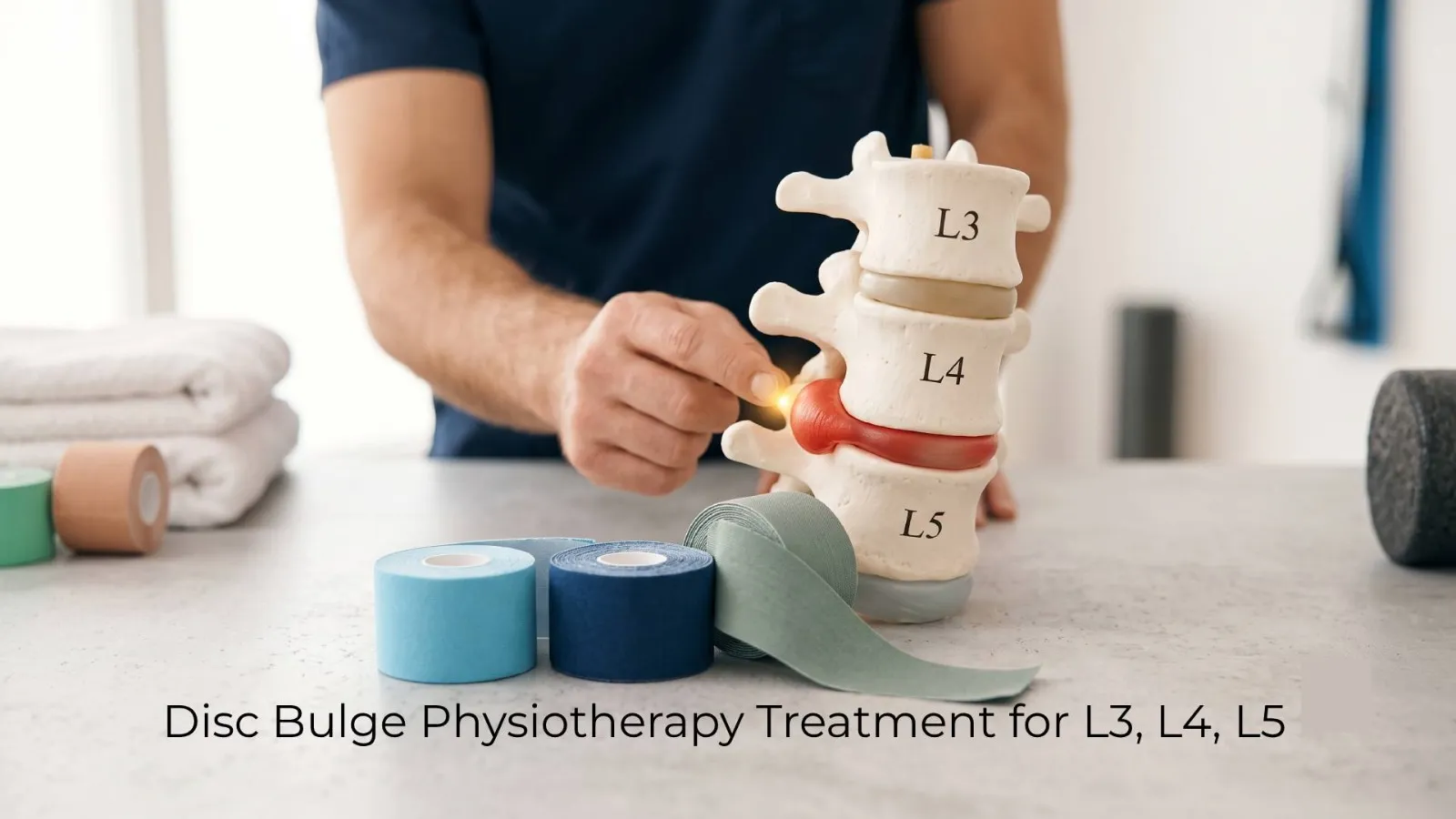
Disc Bulge Physiotherapy Treatment for L3, L4, L5: A Complete Recovery Guide
Disc bulges at L3-L4, L4-L5, and L5-S1 are extremely common, and most respond well to conservative care. Here is what each level means, how physiotherapists treat them differently, and what a realistic recovery timeline looks like.
Read MoreWatch: From Our Physiotherapists



Need Professional Help?
Our expert physiotherapists are here to help you recover and stay healthy.