Geriatric Physiotherapy Conditions: Complete Home Care Guide
Aging brings wisdom—and also unique physical challenges that can slowly chip away at mobility, independence, and confidence. The good news is that most age-related limitations respond very well to targeted, evidence-based physiotherapy delivered consistently.
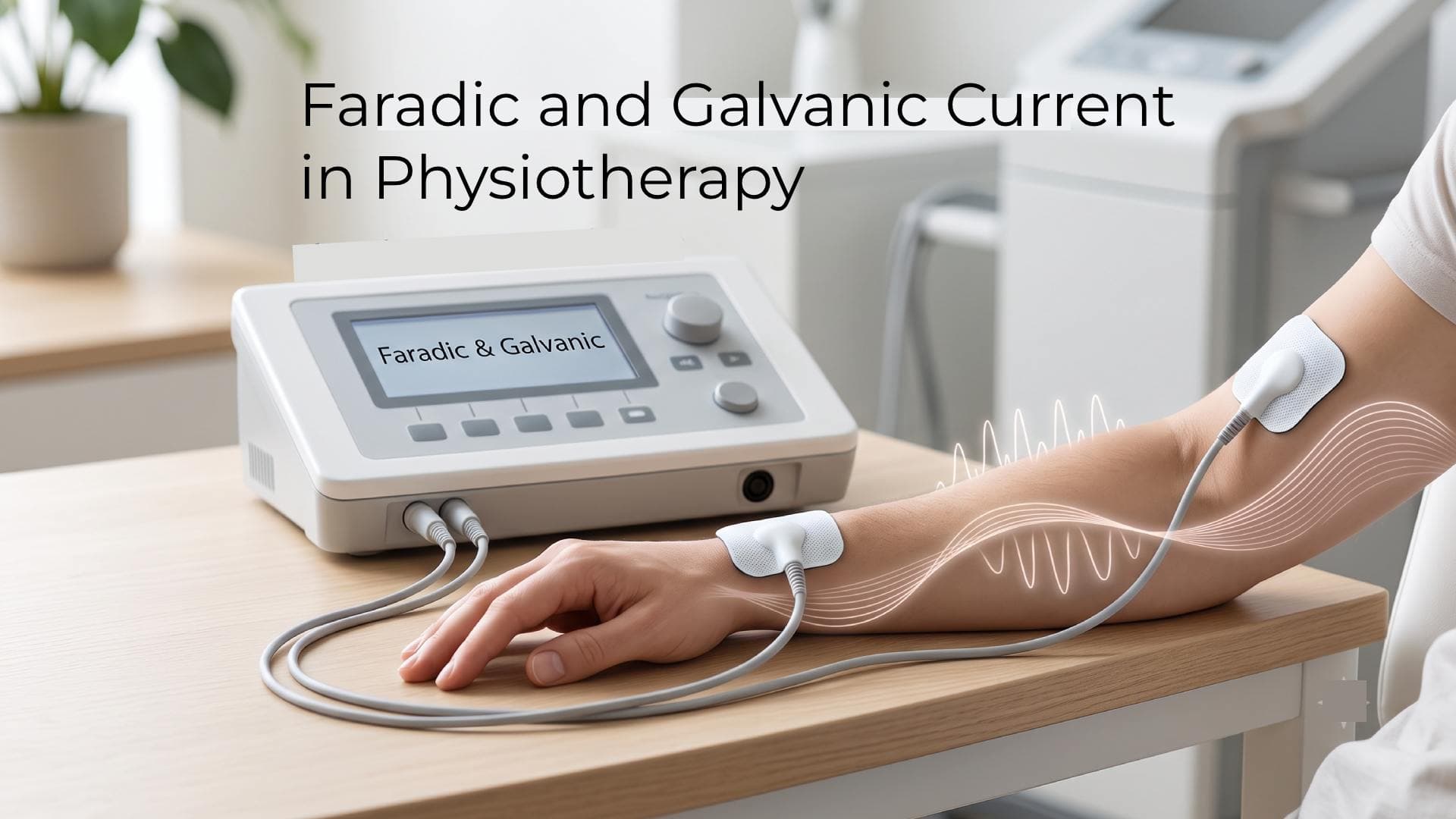
Aging brings wisdom—and also unique physical challenges that can slowly chip away at mobility, independence, and confidence. The good news is that most age-related limitations respond very well to targeted, evidence-based physiotherapy delivered consistently. Whether you or your loved one is managing arthritis pain, recovering after a stroke, living with Parkinson’s disease, or coping with frailty and frequent falls, a structured geriatric physiotherapy plan can restore function, reduce risk, and improve quality of life.
This in-depth guide explains the most common geriatric physiotherapy conditions, how physiotherapists assess and treat them, and what an at-home program in Bangalore looks like—step by step. You’ll also find practical safety advice, caregiver tips, and a detailed FAQ.
Quick takeaways
- Geriatric physiotherapy focuses on functional mobility, balance, strength, endurance, pain relief, and independence in activities of daily living (ADLs).
- Common conditions include osteoarthritis, osteoporosis, sarcopenia (age-related muscle loss), stroke, Parkinson’s disease, peripheral neuropathy, COPD, cardiac conditions, incontinence, and post-surgical rehab (hip/knee replacements).
- The most effective approach combines progressive exercise therapy, balance and gait training, manual therapy when appropriate, education, home modifications, and caregiver training.
- Home-based physiotherapy is highly effective for seniors—reducing hospital visits, improving adherence, and enabling real-time environmental modifications.
What is geriatric physiotherapy—and how is it different?
Geriatric physiotherapy is a specialized branch of physical therapy focused on older adults. The goals are to maintain or restore physical function, prevent falls, manage pain, and maximize independence. Treatment is tailored to age-related changes—slower reaction times, decreased bone density, reduced muscle mass, and multiple co-morbidities—while carefully accounting for medications, cardiovascular safety, and fatigue.
For a deeper look at how seniors are assessed and prioritized during the first visit, see this thorough overview of a geriatric physiotherapy assessment
Most common geriatric physiotherapy conditions (and exactly how physio helps)
Osteoarthritis (OA) of the knee, hip, hand, and spine
Symptoms: Joint pain and stiffness, morning stiffness that eases with movement, swelling, crepitus, reduced range of motion, difficulty with stairs or long walks. Physio focus: Progressive strengthening (quadriceps, glutes, core), joint mobility drills, balance training, activity pacing, gait retraining, weight management advice, heat/cold therapy when appropriate. At-home tips: Use supportive footwear, avoid long periods of sitting, keep daily step goals realistic, use railings for stairs, consider assistive devices during flare-ups.
Learn more about tailored arthritis care for seniors
Osteoporosis and fracture prevention
Symptoms: Often silent until a fracture occurs; kyphotic posture, height loss, back pain from vertebral compression. Physio focus: Weight-bearing exercise, resistance training, postural extension work, balance and reaction training to reduce falls, safe movement education (avoid loaded flexion), home hazard checks. Key outcome: Lower fracture risk via stronger muscles, better balance, and safer daily movement patterns.
Sarcopenia and frailty syndrome
Symptoms: Loss of muscle mass and strength, slow walking speed, low activity tolerance, recurrent falls, difficulty rising from a chair. Physio focus: Progressive resistance training (2–3x/week), sit-to-stand practice, walking programs, stair training, protein and hydration education in collaboration with physicians/dietitians. Why it matters: Strength gains are possible at any age and dramatically improve independence.
Low back pain in older adults
Symptoms: Achy or sharp pain, worse with certain postures or deconditioning; may co-exist with spinal stenosis. Physio focus: Core stabilization, hip mobility, graded activity exposure, manual therapy as indicated, posture education, and flare-up planning.
Exercise ideas for back pain relief
Knee pain from OA, meniscal degeneration, or weakness
Symptoms: Pain on walking/stairs, swelling, instability, stiffness after sitting. Physio focus: Quadriceps and hip strengthening, neuromuscular training, gait retraining, taping or bracing when useful, activity progression.
Explore a comprehensive guide to knee pain causes and treatment
Stroke (CVA) rehabilitation
Symptoms: Weakness or paralysis on one side, impaired balance, reduced coordination, spasticity, neglect, difficulty walking, fatigue. Physio focus: Neuro-rehabilitation using task-specific training, constraint-induced movement strategies, balance and gait work, transfers, stair practice, caregiver training, and home modifications.
Early, intensive, and task-specific rehab improves outcomes dramatically. Read how physiotherapy supports neurological recovery. For practical neuro exercise ideas that encourage neuroplasticity, see: Neurological exercises
Parkinson’s disease
Symptoms: Bradykinesia (slowness), rigidity, tremor, freezing of gait, postural instability, reduced step length, difficulty with turns. Physio focus: Amplitude-based movement training, cueing strategies (visual/auditory), dual-task training, balance and fall prevention, gait re-education, home safety modifications.
Assessment guides help personalize care—learn more on neurological evaluation
Peripheral neuropathy and balance disorders
Symptoms: Numbness/tingling in feet, reduced proprioception, poor balance, unsteady gait, frequent falls. Physio focus: Sensory re-education, ankle/hip strategies for balance, strength and step training, footwear guidance, compensatory vision strategies, assistive device prescription. Result: Fewer falls, safer walking, and increased confidence.
COPD, pulmonary edema recovery, and cardiopulmonary conditions
Symptoms (COPD): Breathlessness with activity, reduced endurance, fatigue, anxiety about exertion. Symptoms (after pulmonary edema): Shortness of breath, decreased activity tolerance post-hospitalization. Physio focus: Pursed-lip breathing, paced ambulation, inspiratory muscle training, airway clearance techniques, energy conservation, and gradual endurance building.
Learn about pulmonary edema and physiotherapy’s role in recovery
Cardiac rehabilitation after surgery or cardiac events
Symptoms: Deconditioning, reduced endurance, restricted mobility, fear of exertion. Physio focus: Vital sign monitoring, medically safe graded exercise, walking programs, risk-factor education, and return-to-ADLs planning in collaboration with cardiology.
Detailed guidance for CABG post-surgical rehab
Post-surgical orthopaedic rehab (hip/knee replacements, spine procedures)
Symptoms: Pain, swelling, stiffness, weakness, difficulty with transfers or stairs. Physio focus: Edema control, early range of motion, strength progression, gait training with/without assistive devices, scar care education, and adherence to surgical precautions.
For an overview of orthopaedic conditions managed via physiotherapy, see: Orthopaedic conditions in Physiotherapy
Pelvic floor dysfunction and incontinence in older adults
Symptoms: Urinary urgency/frequency, leakage with cough/sneeze, nocturia, incomplete emptying. Physio focus: Pelvic floor muscle training (correct technique and progression), bladder training, lifestyle education, core coordination, and safe functional strategies.
Chronic pain syndromes, deconditioning, and fear of movement
Symptoms: Persistent pain, avoidance of activity, sleep disturbance, low confidence. Physio focus: Education on pain science, graded activity exposure, gentle strengthening and mobility, sleep and pacing strategies, relaxation techniques.
How physiotherapists build a safe, effective plan for seniors
A) Comprehensive assessment
- Medical and medication review, red-flag screening
- Vital signs and cardiovascular safety
- Range of motion, muscle strength and power
- Functional tests: Timed Up and Go (TUG), Five-Times Sit-to-Stand (5xSTS), Berg Balance Scale, 6-Minute Walk Test
- Gait analysis (speed, step length, foot clearance)
- Environmental and fall-risk assessment at home
For a full breakdown of what happens during a geriatric assessment, revisit: Geriatric Physiotherapy Assessment
B) Clear, measurable goals
- Short term (2–4 weeks): Reduce pain 30–50%, achieve safe sit-to-stand without hands, walk 10–15 minutes continuously, reduce near-falls.
- Medium term (8–12 weeks): Climb stairs safely, resume local errands, improve gait speed and balance scores, expand social participation.
- Long term (3–6 months): Maintain gains independently, fewer falls, stronger bones and muscles, higher confidence and quality of life.
C) Evidence-based interventions
- Progressive resistance training (2–3 sessions/week)
- Balance and perturbation training (including dual-tasking)
- Gait and stair training; assistive device selection if needed
- Task-specific ADL practice (sit-to-stand, bed mobility, car transfers)
- Flexibility and joint mobility work; manual therapy when indicated
- Respiratory and cardiac conditioning when relevant
- Education: pacing, flare-up plans, safe lifting, sleep and recovery
D) Home program and adherence
- Short, frequent sessions beat long, infrequent workouts
- “Minimal effective dose” to prevent fatigue and soreness
- Caregiver involvement for cueing, safety, and accountability
- Written/visual instructions and habit-stacking (e.g., heel raises while waiting for tea)
A 12-week sample program (adapted to the individual)
- Weeks 1–2: Pain control, gentle mobility, breathing, basic sit-to-stand training, short walks with rests, environmental safety fixes (remove loose rugs, improve lighting).
- Weeks 3–6: Add resistance bands for lower-limb strength; increase walking time; introduce step-ups; begin moderate balance drills (tandem stance near support).
- Weeks 7–12: Progress to functional circuits (chair stands, marches, step-ups); uneven-surface walking practice; stair training; 20–30 minutes of continuous walking or cycling as tolerated; home/community reintegration goals.
Fall prevention: the most important part of geriatric physiotherapy
- Remove trip hazards (cords, loose rugs), use non-slip mats in bathrooms.
- Install grab bars, night lights, and railings on both sides of stairs.
- Ensure proper footwear—closed-heel, non-slip soles.
- Review medications that cause dizziness; hydrate well.
- Practice balance tasks daily and keep assistive devices within reach.
- Consider joint support or taping during activity when indicated; read about safe taping principles here: /taping/
Safety first: when to pause exercise and call your doctor
- Chest pain, pressure, or unusual shortness of breath not matched to effort
- Dizziness, fainting, new confusion, vision changes
- Calf pain with swelling/redness (possible DVT—medical emergency)
- Sudden severe headache or neurological changes (call emergency services)
- Fever, acute illness, or uncontrolled blood pressure
How doorstep physiotherapy in Bangalore works
Step 1: Schedule a home visit. Use the simple booking form and choose your preferred date/time: Booking Step 2: A geriatric-specialist physiotherapist assesses you at home, sets goals, and initiates treatment. Step 3: You receive a personalized home program with progressive targets and regular follow-ups. Caregivers are coached for safe assistance.
Coverage: Services are available across Bangalore neighborhoods. See the full list of service areas here: </locations/> Team expertise: Learn about the clinicians who deliver this care: </about-us/>
Want to explore more topics? Browse the latest physiotherapy articles and resources: </blogs/>
Local SEO note for Bangalore seniors and families
Home-based physiotherapy is often the most practical, effective option for older adults in Bangalore traffic and weather conditions. Doorstep care removes travel barriers, boosts adherence, and allows the therapist to work directly within the home environment—where functional living truly happens.
Caregiver checklist: small changes that make a big difference
- Keep walking aids within arm’s reach at all times.
- Install grab bars and night lights; keep floors dry and clutter-free.
- Encourage short, frequent movement breaks every hour.
- Prepare slip-on, closed-heel shoes with non-slip soles near the bed.
- Track exercises on a simple calendar—consistency beats intensity.
Conclusion: independence is trainable—at any age
Most age-related limitations are not a life sentence. With a personalized, progressive physiotherapy plan delivered at home, seniors can reclaim balance, strength, stamina, and confidence. If you’re in Bangalore, expert doorstep care is available across the city—with programs built for real homes, real routines, and real goals.
Frequently asked questions (FAQ)
What are “geriatric physiotherapy conditions”?
These are health issues common in older adults that affect mobility, strength, balance, endurance, continence, and independence. Typical conditions include osteoarthritis, osteoporosis, sarcopenia, neurological disorders (stroke, Parkinson’s), cardiopulmonary disease (COPD, post-surgery), and post-operative orthopedic recovery.
Is home physiotherapy as effective as clinic treatment?
Yes—often more effective for seniors. Home sessions improve adherence, enable real-world practice of ADLs, and let therapists fix safety hazards on the spot. Outcomes for balance, walking, and independence are excellent when programs are followed.
How many sessions will I need?
Most seniors benefit from 1–3 sessions per week initially. Mild cases might require 4–6 weeks; complex neurological or multi-morbid cases often need 12–16+ weeks of progressive therapy followed by maintenance.
Can physiotherapy help dementia or mild cognitive impairment (MCI)?
Yes. Structured, cue-based, repetitive training improves mobility and reduces falls. Caregiver involvement and simple home programs are crucial. Routine and environmental consistency matter.
What’s the best exercise for knee osteoarthritis?
There’s no single “best,” but consistent quadriceps and hip strengthening, cycling or walking as tolerated, and balance drills produce strong results. See this knee-specific guide for more ideas: </knee-pain/>
I’m afraid of falling. How can physio help quickly?
A therapist will test your balance and gait, recommend the right assistive device, and start confidence-building steps the same day. They’ll also remove hazards at home and progress balance practice safely.
Can I do physiotherapy after a stroke at home?
Absolutely. Early, intensive, task-specific training drives neuroplasticity. Learn how physiotherapy supports neurological recovery: </physiotherapy-in-neurological-conditions/>
Is pain normal during exercises?
Mild muscular soreness is common when starting, but sharp or joint pain isn’t. Your therapist will adjust load, range, or technique and add recovery strategies to keep you safe.
Do you offer support for chest or lung conditions?
Yes. Programs include breathing exercises, pacing, endurance training, and safe activity progression. For pulmonary edema recovery details, visit: </pulmonary-edema-physiotherapy/>
I’ve had bypass surgery. Is it safe to exercise?
With medical clearance and proper monitoring, graded cardiac rehab is strongly recommended. Here’s a detailed guide specific to CABG recovery: </cabg-post-surgical-physiotherapy-management/>
How do I choose between orthopaedics and physiotherapy?
Orthopaedics diagnoses and manages medical/surgical aspects; physiotherapy restores movement and function non-invasively. Many seniors benefit from a joint approach. Learn the differences here: /difference-between-orthopaedic-and-physiotherapy
Which areas in Bangalore do you cover?
Most major neighborhoods are covered. Check your locality here: </locations/>
Related Service
Geriatric Physiotherapy at Home
Book a certified physiotherapist for geriatric physiotherapy across Bangalore & Pune.
Related Articles
Physio for Elderly in Bangalore at Home: The Complete Guide for Families in 2026
Home physiotherapy has become the preferred choice for Bangalore families who want expert, doctor-guided rehabilitation for seniors without the risk and stress of clinic visits. Here is what it involves, which conditions it treats, and how to choose the right provider.
Read More
Geriatric Cardio Physiotherapy: Exercise and Care Guide
The heart does not age in isolation. As the body grows older, the cardiovascular system quietly undergoes a series of structural and functional changes.
Read More
Massage Therapy vs Physical Therapy vs OT : Geriatric Care
When an older adult starts experiencing chronic pain, reduced mobility, or difficulty managing daily tasks, families often find themselves facing a maze of treatment options. Geriatric massage therapy, geriatric physical therapy, and geriatric occupational therapy are three of the most commonly recommended approaches, yet most people have little clarity on what each actually involves.
Read MoreNeed Professional Help?
Our expert physiotherapists are here to help you recover and stay healthy.