Cervicogenic Headache: Causes, Symptoms & Treatment Guide
In the present scenario when a large percentage of people are dependent on use of gadgets for their livelihood, cervicogenic pain, headaches become very common due to the wrong postures (neck muscles become tight) and continuous exposure to the screen.
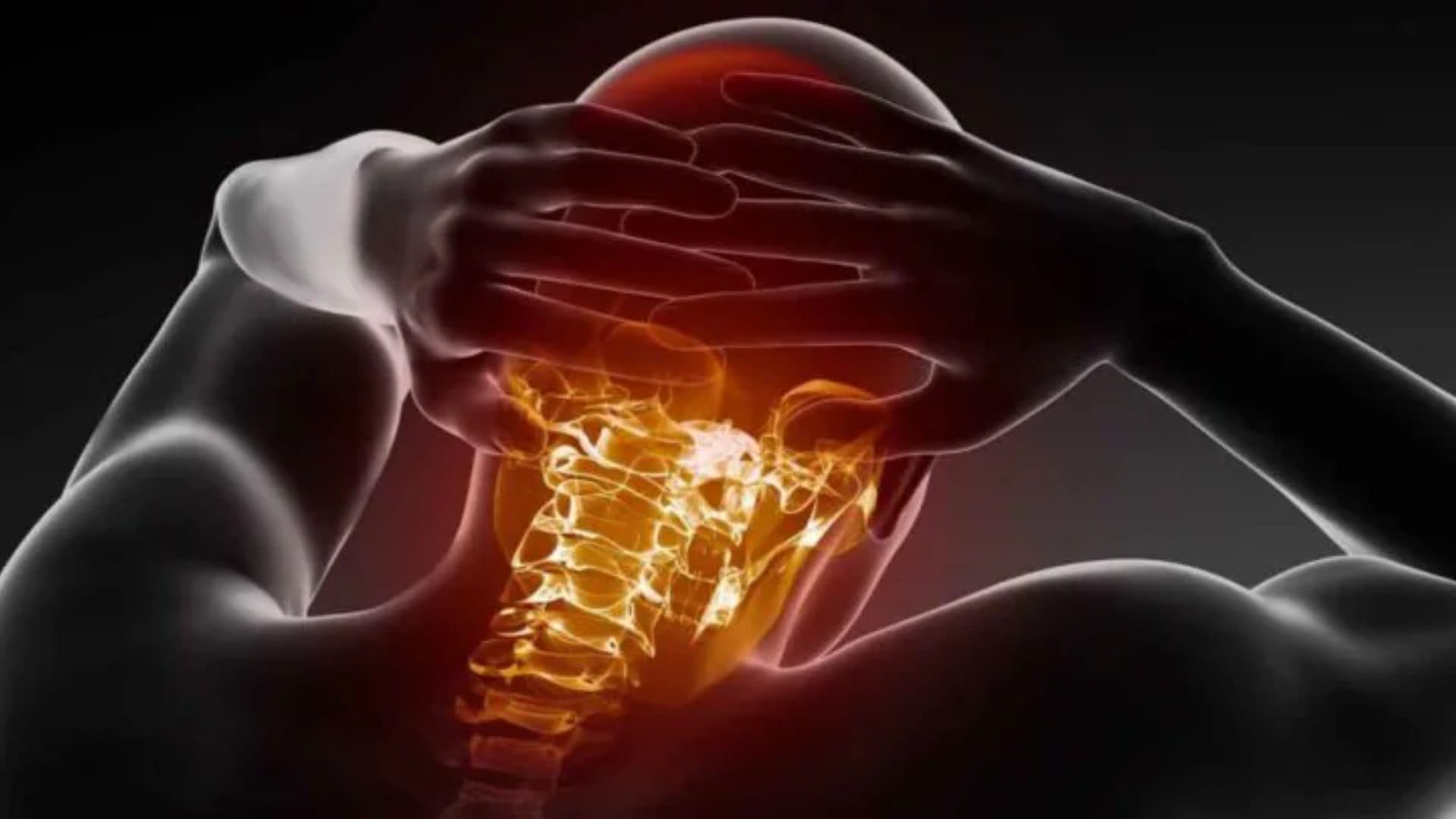
Cervicogenic headache – In the present scenario when a large percentage of people are dependent on use of gadgets for their livelihood, cervicogenic pain, headaches become very common due to the wrong postures(neck muscles become tight)and continuous exposure to the screen.
Neck pain is very common in present population. Not only are those who do physical work, but more among employees who spend long hours in stable positions, such as office workers. When employees are constantly sitting at desks, meetings, working under busy schedules experience pain and discomfort.
Cervicogenic headache is a chronic headache that arises from the atlanto-occipital and upper cervical joints and perceived in one or more regions of the head and/or face. A cervicogenic headache is a common cause of a chronic headache that is often misdiagnosed.
The "cervicogenic episode" can last one hour to one week. The pain is usually on one side of the head, usually accompanied by the side of the neck where there is more tightness.
Most common causes
Problems with the bones in your neck
Joint wear-and-tear
Sudden shock or trauma
Significant stress on the neck
Bad posture
Arthritis
What are the symptoms of cervicogenic headache???
Pain on one side of the head or face.
A stiff neck.
Pain around the eye area.
Pain when coughing or sneezing.
Headache in a certain postures or movements of the neck.
Treatment
Non-steroidal anti-inflammatory drugs (aspirin or ibuprofen), muscle relaxants, and other pain relievers can help ease the pain.
Nerve block: This may temporarily relieve the pain and help you work better with physical therapy.
Physical therapy: Stretching and exercising can help you.
Physical Therapy Treatment
When it comes to physical therapy, the goal is to stretch, strengthen, and straighten your back. These are a few exercises that you can try at home, but it is always best to consult with your Physiotherapist.
So there are 2 main parts when it comes to physical therapy.
The first part is where you actually do the exercises. Your physical therapist will create an exercise plan and monitor your progress. In the exercise, it is not uncommon to perform exercises that strengthen the core and back muscles while stretching out your back and relieve the pressure. All of these exercises and stretches will help to improve the posture in the long-term use.
Numerous studies have shown that physical therapy provides a prolonged release of cervicogenic headache, and dizziness.
There is also a different kind of physical therapy, where the manipulation by the nape of the neck, the spine, and the joints are to be carried out. These operations can be carried out by a physiotherapist or a specialist called a chiropractor.
Though this type of therapy is able to produce surprisingly good results immediately but in patients with non-diagnosed cases of chronic neck pain have to be careful with these types of treatments are available. For example, in patients with carotid artery stenosis, or advanced osteoarthritis, may experience more complications from a chiropractic session.
Related reading: Cervical Spondylitis Physiotherapy Treatment
Related Service
Orthopaedic Physiotherapy at Home
Book a certified physiotherapist for orthopaedic physiotherapy across Bangalore & Pune.
Related Articles
Cervical Spondylitis Physiotherapy Treatment: Causes, Exercises and Recovery Guide
Most neck pain from cervical spondylosis improves without surgery. This guide covers red flags, how physiotherapists assess the neck, the exercises with research support, and what a 6 to 12 week recovery looks like.
Read More
Disc Bulge Physiotherapy Treatment for L3, L4, L5: A Complete Recovery Guide
Disc bulges at L3-L4, L4-L5, and L5-S1 are extremely common, and most respond well to conservative care. Here is what each level means, how physiotherapists treat them differently, and what a realistic recovery timeline looks like.
Read More
Schmorl’s Node Physiotherapy Management: Rehab Guide
If you have been diagnosed with a Schmorl’s node or discovered one incidentally on a spinal MRI, you may have walked away with more questions than answers. What exactly is this condition?
Read MoreNeed Professional Help?
Our expert physiotherapists are here to help you recover and stay healthy.