Plantar Fascitis: Causes, Symptoms & Best Treatments
PLANTAR FASCITIS It is Inflammation of the thick band of tissue that connects the heel bone to the toes. CAUSES: Plantar fasciitis is most commonly caused by repetitive strain injury to the ligament of the sole of the foot. Such strain injury can be from excessive running or walking, inadequate foot
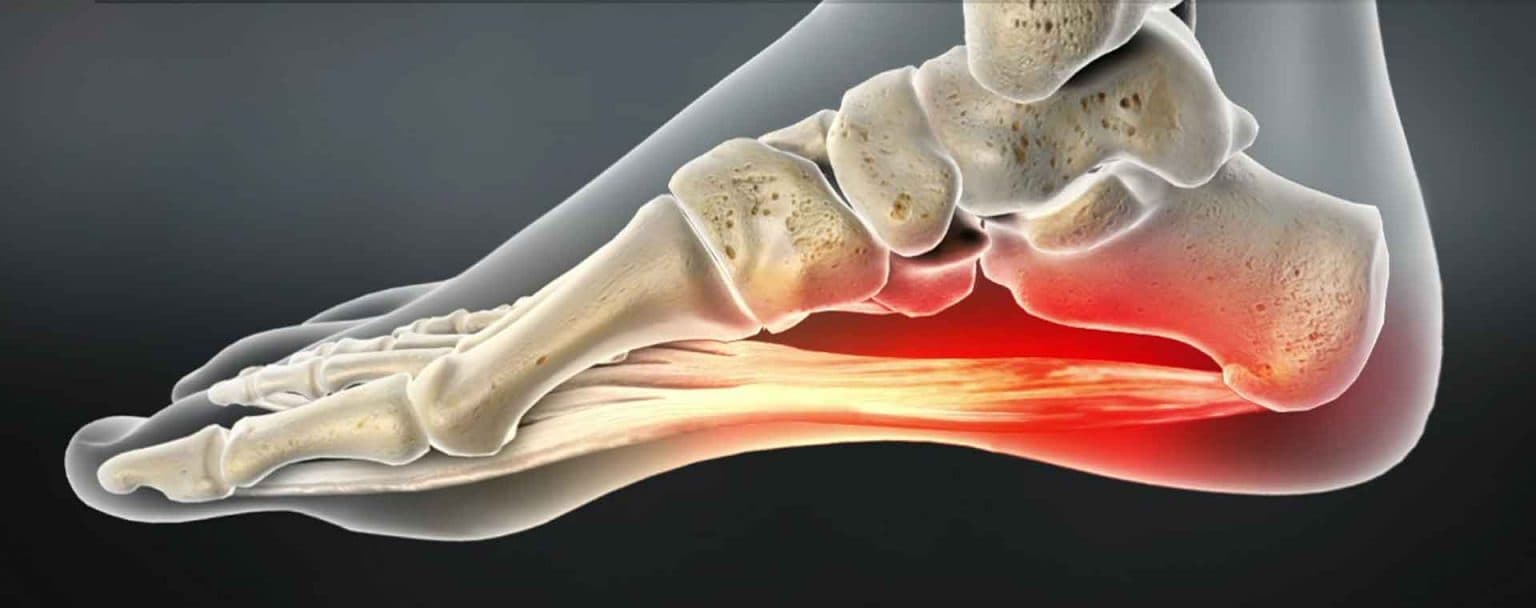
PLANTAR FASCITIS It is Inflammation of the thick band of tissue that connects the heel bone to the toes.
CAUSES:
Plantar fasciitis is most commonly caused by repetitive strain injury to the ligament of the sole of the foot. Such strain injury can be from excessive running or walking, inadequate foot gear, and jumping injury from landing.
SYMPTOMS:
Symptoms include a stabbing pain near the heel. The pain may be worse in the morning and during prolonged standing, walking, or jumping up and down.
TREATMENT:
The treatment includes physical therapy, stretching exercises, shoe inserts, analgesics, steroid injections, and surgery.
PHYSIOTHERAPY EXERCISES
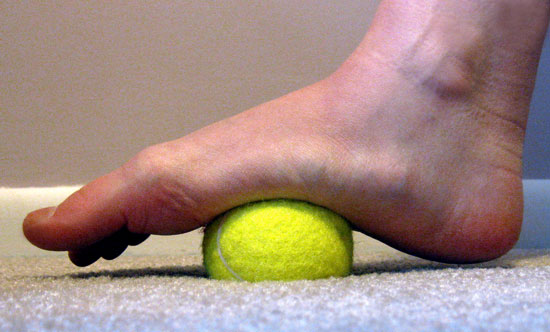
Tennis Ball Roll
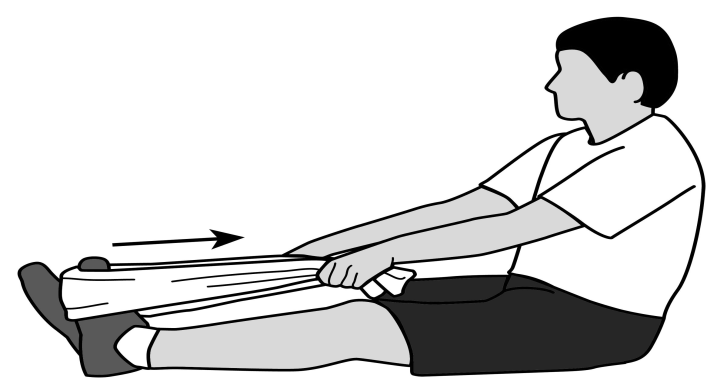
Towel Stretch
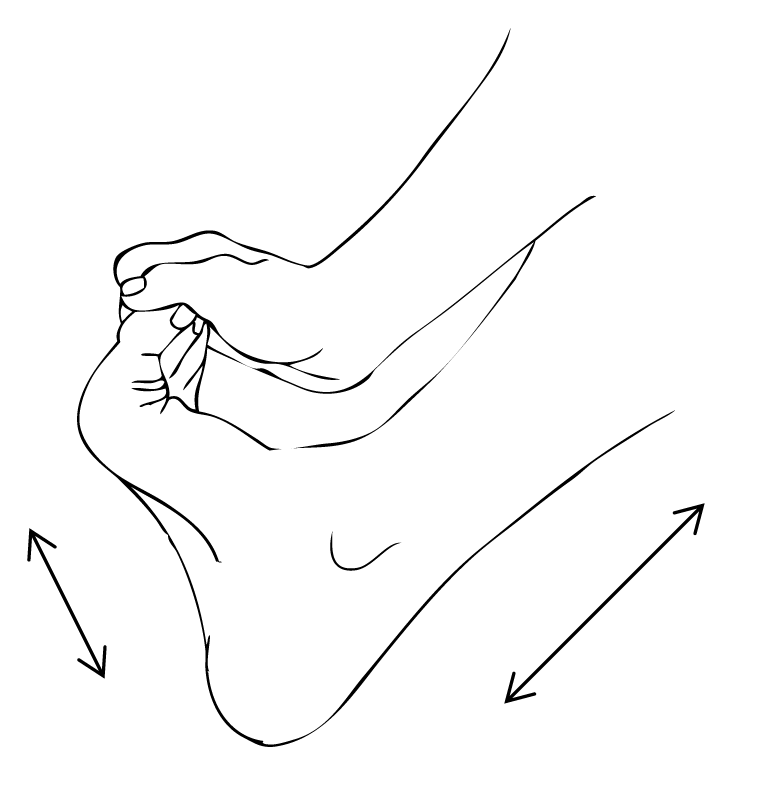
Toe Stretch
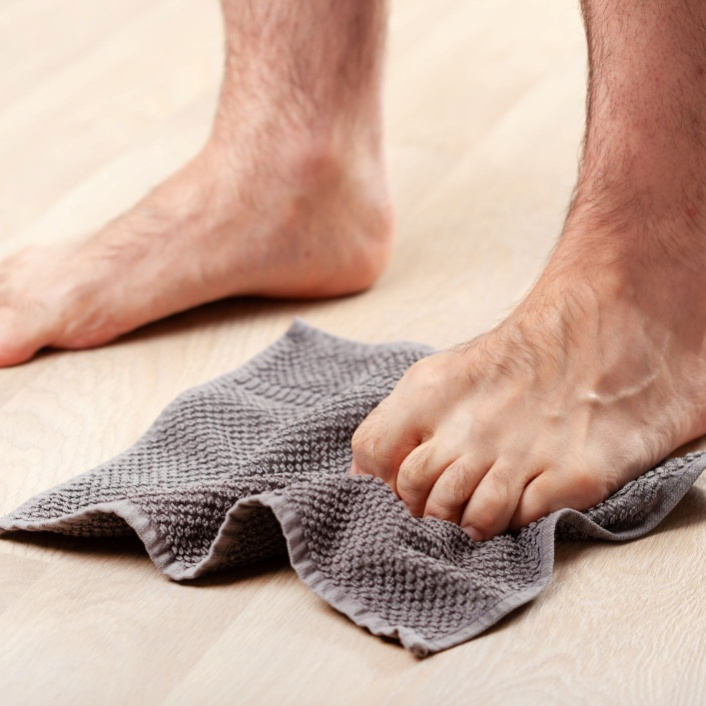
Toe Curls
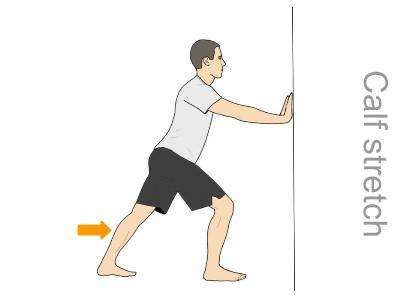
Calf Stretch
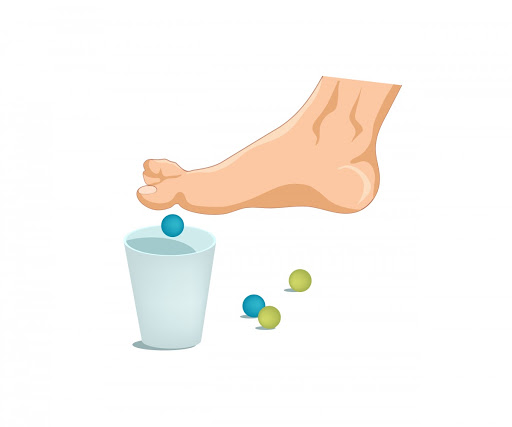
Picking Up Marbles
Plantar Fascitis- Self Care Tips
Maintain a healthy weight. Carrying extra weight can put extra stress on your plantar fascia.
Choose appropriate shoes.
Don’t wear worn-out athletic shoes.
Change your Sport.
Apply RICE protocol.
Stretch your arches regularly.
Many treatment options exist, including rest, stretching, strengthening, change of shoes, arch supports, orthotics, night splints.
Plantar fasciitis is diagnosed based on your medical history and physical examination.
Related Service
Orthopaedic Physiotherapy at Home
Book a certified physiotherapist for orthopaedic physiotherapy across Bangalore & Pune.
Related Articles
Types of Hydrotherapy in Physiotherapy: Methods, Benefits and Which One You Need
Hydrotherapy is more than soaking in warm water. Here are the main types physiotherapists use, which condition each one suits, who should avoid it, and what you can safely do at home.
Read More
Ortho and Neuro Physiotherapy: A Complete Guide to Conditions, Treatment and Home Recovery
Orthopaedic physiotherapy treats bones, joints and muscles; neurological physiotherapy retrains movement after brain, spinal cord or nerve damage. Here is how each works, where they overlap, and what to expect from home care.
Read More
Agonist and Antagonist in Physiotherapy: A Complete, Evidence-Based Guide
Every joint moves through a pair of muscles working in opposition. Here is what agonist and antagonist muscles are, how reciprocal inhibition works, and why their balance decides pain, posture and recovery.
Read MoreNeed Professional Help?
Our expert physiotherapists are here to help you recover and stay healthy.