Physiotherapy for Pregnancy Back Pain and Cramping: Full Guide
Pregnancy is a beautiful journey, but it often comes with physical challenges that can significantly impact your daily life. Among the most common complaints, back pain and cramping affect anywhere from 50% to 90% of expectant mothers at some point during their pregnancy.
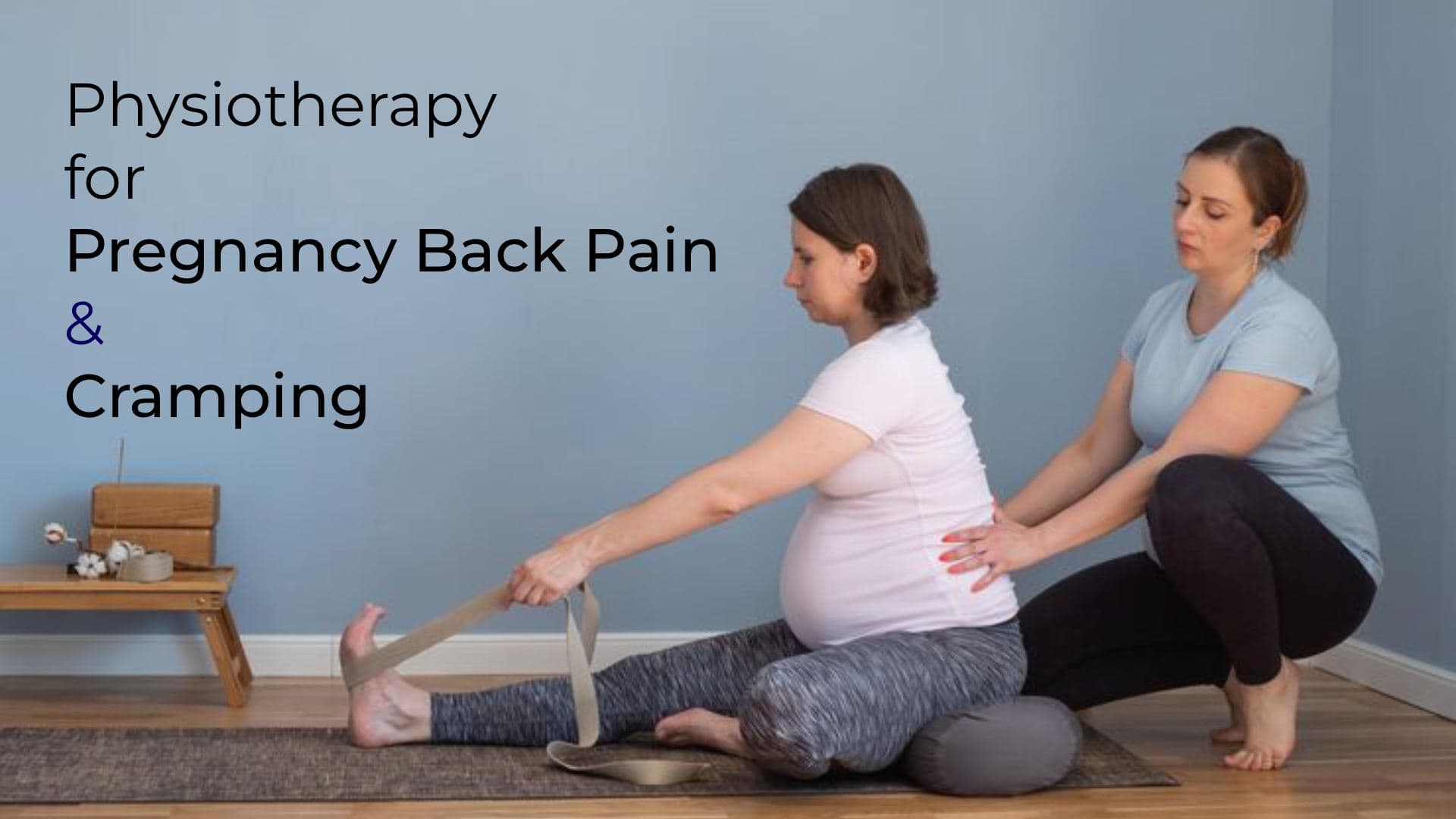
Pregnancy is a beautiful journey, but it often comes with physical challenges that can significantly impact your daily life. Among the most common complaints, back pain and cramping affect anywhere from 50% to 90% of expectant mothers at some point during their pregnancy. If you’re experiencing these discomforts, you’re not alone, and more importantly, effective help is available.
Physiotherapy offers a safe, evidence-based approach to managing pregnancy-related back pain and cramping without relying on medication. This comprehensive guide explores how specialized physiotherapy treatments can provide relief, improve your mobility, and help you enjoy a more comfortable pregnancy.
Understanding Pregnancy Back Pain: Why It Happens
Pregnancy transforms your body in remarkable ways, and these changes often lead to back pain and discomfort. Understanding the root causes can help you better address and prevent these issues.
Hormonal Changes and Ligament Laxity
During pregnancy, your body produces a hormone called relaxin, which increases up to tenfold. While relaxin is essential for preparing your body for childbirth by loosening ligaments and allowing your pelvis to expand, it also affects the stability of your spine and pelvic joints. This increased flexibility can lead to joint instability, resulting in pain and discomfort in your lower back and pelvic region.
Postural Shifts and Biomechanical Stress
As your baby grows, your center of gravity shifts forward. To compensate for this anterior shift, your body naturally adjusts its posture, often increasing the curve in your lower back. This increased lumbar lordosis places additional mechanical strain on your spine, intervertebral discs, and surrounding muscles.
The growing uterus also stretches your abdominal muscles, weakening their ability to support your torso effectively. As these muscles fatigue, your lower back bears more of the burden, leading to increased pain and discomfort.
Weight Gain and Increased Load
The average weight gain during pregnancy ranges from 11 to 15 kilograms. This additional weight places extra stress on your spine, particularly the lower back and pelvic joints. The weight of your growing baby and uterus also creates pressure on blood vessels and nerves in your pelvis and back, contributing to pain and cramping sensations.
Types of Pregnancy-Related Back Pain
Not all pregnancy back pain is the same. Understanding the different types can help guide your treatment approach:
Lumbar Pain: Located in the central lower back, above the waist. This pain often worsens with prolonged sitting, standing, or repetitive lifting. It may radiate into your legs and feet.
Posterior Pelvic Pain: Far more prevalent than lumbar pain, this discomfort occurs between the posterior iliac crest and gluteal fold. It’s often felt deep in the buttocks and can be triggered by activities like climbing stairs or rolling over in bed.
Sacroiliac Joint Pain: Pain in the joints connecting your spine to your pelvis, typically felt on one or both sides of your lower back and buttocks.
Understanding Cramping During Pregnancy
Cramping during pregnancy is another common complaint that can cause significant discomfort. While some cramping is normal as your uterus expands, understanding the different types helps distinguish between normal sensations and those requiring attention.
Leg Cramps in Pregnancy
Nearly 50% of pregnant women experience muscle cramps, particularly in their legs. These sudden, involuntary muscle contractions typically strike the calf muscles and often occur at night, disrupting much-needed sleep.
Common Causes of Leg Cramps:
- Changes in blood circulation due to slower venous return
- Compression of nerves from the growing uterus
- Mineral deficiencies, particularly magnesium, calcium, or potassium
- Dehydration
- Increased muscle fatigue from carrying extra weight
- Reduced physical activity levels
Abdominal and Uterine Cramping
Round ligament pain occurs as the ligaments supporting your uterus stretch. This can feel like sharp, shooting pains in your abdomen, hip, or groin area, most commonly experienced during the second trimester.
Braxton Hicks contractions are irregular uterine muscle tightenings that begin around the fourth month of pregnancy. Unlike labor contractions, these are irregular, infrequent, and typically not increasingly painful.
How Physiotherapy Helps: Evidence-Based Treatment Approaches
Research consistently demonstrates that physiotherapy is highly effective for managing pregnancy-related back pain and cramping. Studies show that exercise therapy combined with education can decrease pain intensity, improve functional ability, and even reduce sick leave during pregnancy.
Comprehensive Assessment and Personalized Treatment
When you consult with a physiotherapist experienced in pregnancy care, the journey begins with a thorough assessment. Your physiotherapist will evaluate your posture, movement patterns, muscle strength, joint stability, and pain triggers to create a customized treatment plan tailored to your specific needs and pregnancy stage.
Therapeutic Exercise Programs
Exercise therapy forms the cornerstone of physiotherapy treatment for pregnancy-related pain. Your physiotherapist will design a specific exercise program focusing on:
Core Stabilization: Gentle exercises that strengthen your deep abdominal muscles and pelvic floor without placing excessive strain on your body. These muscles provide essential support for your spine and pelvis during pregnancy.
Spinal and Pelvic Strengthening: Targeted exercises that build strength in the muscles surrounding your spine and pelvis, improving stability and reducing pain.
Flexibility and Stretching: Specific stretches that address tight muscles contributing to pain, particularly in your hip flexors, hamstrings, and lower back.
Balance and Proprioception Training: Exercises that help you adapt to your changing center of gravity, reducing fall risk and improving coordination.
Manual Therapy Techniques
Manual therapy involves hands-on techniques performed by your physiotherapist to reduce pain and improve mobility. These may include:
Soft Tissue Mobilization: Gentle massage techniques that release tension in tight muscles, improve blood circulation, and reduce pain. This is particularly effective for addressing muscle spasms and trigger points.
Joint Mobilization: Gentle movements applied to joints to improve their range of motion and reduce stiffness. For pregnant women, this often focuses on the pelvis, sacroiliac joints, and thoracic spine.
Myofascial Release: Techniques that address restrictions in the connective tissue (fascia) surrounding muscles, helping to relieve pain and improve movement patterns.
Effective Physiotherapy Exercises for Pregnancy Back Pain Relief
Your physiotherapist will teach you specific exercises that you can perform at home to manage your symptoms between treatment sessions. Here are some commonly prescribed exercises that have proven effective:
Pelvic Tilts
Pelvic tilts strengthen your lower back and abdominal muscles while improving hip mobility. Safe for all trimesters, this exercise can even help induce labor in late pregnancy.
How to perform: Lie on your back with knees bent and feet flat on the floor (avoid this position after the first trimester; instead, perform standing or on all fours). Inhale deeply, then as you exhale, tuck your tailbone under and gently press your lower back toward the floor. Hold for 5 seconds, then release. Repeat 10 times.
Cat-Cow Stretch
This gentle yoga-inspired movement stretches your spine, relieves tension, and improves flexibility.
How to perform: Start on your hands and knees with hands under shoulders and knees under hips. Inhale as you arch your back, lifting your head and tailbone toward the ceiling. Exhale as you round your spine, tucking your chin and tailbone. Move slowly between these positions 10 times.
Bird Dog Exercise
This exercise strengthens your lower back, core, and improves balance, providing an excellent alternative to planks during pregnancy.
How to perform: Begin on all fours. Extend your right arm forward and left leg backward until both are parallel to the floor. Hold for 3-5 seconds, maintaining a neutral spine. Return to starting position and repeat on the opposite side. Perform 10 repetitions on each side.
Child’s Pose
A restorative position that stretches your back and releases tension throughout your spine. This pose also provides an opportunity to practice relaxation breathing.
How to perform: Start on all fours. As you exhale, sit back onto your heels and lower your forehead toward the floor (use a pillow or cushion if needed for comfort). Extend your arms in front or rest them alongside your body. Hold for 30 seconds to 1 minute, breathing deeply.
Standing Hip Circles
This gentle movement improves hip mobility and relieves tension in your lower back and pelvis.
How to perform: Stand with feet hip-width apart, hands on hips. Slowly circle your hips clockwise for 10 rotations, then counterclockwise for 10 rotations. This can be particularly soothing when experiencing pelvic discomfort.
Pelvic Floor Exercises (Kegels)
While not specifically for back pain, strengthening your pelvic floor muscles provides crucial support for your spine and pelvis during pregnancy.
How to perform: Imagine you’re trying to stop the flow of urine midstream. Squeeze these muscles and hold for 5-10 seconds, then release. Repeat 10 times, several times throughout the day. Remember to breathe normally during the exercise.
Managing Leg Cramps: Physiotherapy Solutions
Leg cramps can be particularly distressing during pregnancy, but physiotherapy offers effective strategies for both prevention and immediate relief.
Prevention Strategies
Daily Calf Stretching: Perform calf stretches before bedtime to reduce nighttime cramping. Stand arm’s length from a wall, place your hands on it, and step one foot back, keeping that heel flat on the floor. Bend your front knee until you feel a stretch in your back calf. Hold for 30 seconds on each side.
Hydration: Drink at least 8-10 glasses of water daily. Dehydration is a common trigger for muscle cramps.
Proper Footwear: Wear supportive shoes with good arch support. Avoid both high heels and completely flat shoes, as both can contribute to cramping.
Regular Movement: Stay active with pregnancy-safe exercises like walking, swimming, or prenatal yoga to improve circulation and reduce muscle fatigue.
Elevation: Elevate your legs while resting or sleeping by placing pillows under your lower legs. This improves circulation and reduces lactic acid buildup.
Immediate Relief Techniques
When a cramp strikes, your physiotherapist may teach you these immediate relief strategies:
Counter-Stretch: Straighten your leg and flex your foot upward toward your head while gently massaging the cramped muscle. This helps break the cramping cycle.
Heat Application: Apply a warm compress or heating pad to the affected area to relax the muscle.
Gentle Massage: Knead the cramped muscle with gentle, firm pressure to encourage relaxation and improve blood flow.
Advanced Physiotherapy Interventions
Beyond exercises and manual therapy, physiotherapists may incorporate additional treatment modalities for stubborn cases:
Therapeutic Modalities
Heat Therapy: Application of heat packs or warm compresses to relax tight muscles and improve blood flow, providing pain relief.
Cold Therapy: Ice application for acute pain or inflammation, particularly useful after unusual activity or strain.
Hydrotherapy: Water-based exercises and therapy sessions in a warm pool, where buoyancy reduces stress on joints while allowing for gentle strengthening and stretching.
Support Devices and Bracing
Maternity Support Belts: Your physiotherapist may recommend a properly fitted support belt that lifts your baby off your pelvis, reducing strain on your lower back and pelvic ligaments.
Pregnancy Pillows: Specialized pillows designed to support your body during sleep, helping maintain proper spinal alignment and reducing nighttime pain.
Compression Stockings: For leg cramping related to circulation issues, graduated compression stockings can improve venous return and reduce swelling.
Education and Ergonomic Advice
A crucial component of physiotherapy treatment involves teaching you how to modify daily activities to reduce strain:
Body Mechanics: Proper techniques for bending, lifting, and carrying objects to protect your back.
Sleeping Position: Guidance on optimal sleeping positions (typically left side lying) and pillow placement to reduce pain.
Workstation Setup: Adjustments to your work environment if you have a desk job, ensuring proper ergonomics to minimize back strain.
Activity Modification: Strategies for continuing your daily routines while respecting your body’s changing needs.
When to Start Physiotherapy During Pregnancy
Many women wonder when the right time is to seek physiotherapy care. The answer is: as soon as you experience discomfort. Early intervention can prevent minor issues from becoming more significant problems.
First Trimester: While back pain less commonly begins this early, if you experience discomfort, physiotherapy can address it before it worsens. This is also an excellent time to learn preventive exercises and proper body mechanics.
Second Trimester: This is when many women first experience back pain and cramping as their belly grows and their center of gravity shifts. Physiotherapy during this period can be particularly effective in managing symptoms before they intensify.
Third Trimester: Even if you haven’t experienced pain earlier, the third trimester brings maximum weight gain and postural changes. Physiotherapy can provide relief and help prepare your body for labor and delivery.
The Benefits of Home-Based Physiotherapy Services
At Physio At Your Doorstep, we understand that traveling to appointments can be challenging during pregnancy, especially when dealing with pain and fatigue. Our home-based physiotherapy services offer several advantages:
Convenience and Comfort: Receive professional treatment in the comfort of your own home, eliminating travel stress and allowing you to rest immediately after sessions.
Personalized Environment: Your physiotherapist can assess and provide recommendations based on your actual living space, including your sleeping setup, furniture, and daily movement patterns.
Flexible Scheduling: Appointments can be arranged at times that work best for you, including evenings and weekends.
Continuity of Care: Regular sessions with the same physiotherapist ensure consistent, progressive treatment and the development of a therapeutic relationship.
Family Involvement: Your partner or family members can easily participate in treatment sessions to learn how to support you.
Complementary Approaches to Enhance Physiotherapy
While physiotherapy serves as the primary treatment, several complementary approaches can enhance your results:
Prenatal Massage
Professional prenatal massage complements physiotherapy by releasing muscle tension, improving circulation, and promoting relaxation. Always ensure your massage therapist is trained in prenatal techniques.
Aquatic Therapy
Swimming and water aerobics provide excellent low-impact exercise options. The buoyancy of water reduces stress on joints while allowing you to maintain strength and cardiovascular fitness. Research shows that aquatic therapy can reduce back pain in approximately 70% of pregnant women who participate.
Mind-Body Practices
Prenatal Yoga: Combines gentle stretching, strengthening, and breathing exercises. Many yoga poses specifically target back pain and can be safely modified throughout pregnancy.
Meditation and Breathing: These techniques help manage pain perception and reduce muscle tension associated with stress.
Progressive Muscle Relaxation: A systematic approach to releasing tension throughout your body, which can reduce overall pain levels.
Nutritional Support
While not a substitute for physiotherapy, ensuring adequate intake of key nutrients supports muscle function:
Magnesium: Found in leafy greens, nuts, seeds, and whole grains, magnesium plays a crucial role in muscle relaxation and may help reduce cramping.
Calcium: Essential for muscle contraction and bone health, found in dairy products, fortified plant milks, leafy greens, and sardines.
Potassium: Helps balance electrolytes and supports muscle function, available in bananas, sweet potatoes, and avocados.
Hydration: Adequate water intake is crucial for preventing cramps and maintaining overall health during pregnancy.
Safety Considerations and Contraindications
While physiotherapy is generally safe during pregnancy, certain situations require medical clearance before beginning treatment:
When to Consult Your Obstetrician First
- History of miscarriage or preterm labor
- Placenta previa or placental complications
- Preeclampsia or gestational hypertension
- Vaginal bleeding or spotting
- Decreased fetal movement
- Ruptured membranes
- Cervical insufficiency
Warning Signs to Stop Exercise Immediately
During any exercise or treatment session, stop immediately and contact your healthcare provider if you experience:
- Vaginal bleeding
- Regular, painful contractions
- Fluid leaking from the vagina
- Dizziness or feeling faint
- Chest pain or rapid heartbeat
- Severe shortness of breath
- Severe headache
- Muscle weakness affecting balance
- Calf pain or swelling
Postpartum Care: Continuing Physiotherapy After Birth
Many women are surprised to learn that back pain often persists after delivery. Research indicates that more than one-third of women continue experiencing pain one year after giving birth. Continuing physiotherapy into the postpartum period provides several benefits:
Core Restoration: Addresses diastasis recti (separation of abdominal muscles) and rebuilds core strength safely.
Pelvic Floor Rehabilitation: Essential for addressing incontinence, pelvic pain, and preparing for future pregnancies.
Posture Correction: Helps reverse pregnancy-related postural changes and addresses new strain patterns from carrying and nursing your baby.
Return to Activity: Provides guidance for safely returning to pre-pregnancy exercise levels and activities.
Creating Your Physiotherapy Success Plan
To maximize the benefits of physiotherapy for your pregnancy-related back pain and cramping, consider these key strategies:
Consistency is Key
Attend all scheduled physiotherapy sessions and perform your home exercise program regularly. Most improvements require consistent effort over several weeks.
Communication
Maintain open communication with your physiotherapist about your symptoms, concerns, and how your body responds to treatment. Don’t hesitate to ask questions or request modifications.
Integration with Prenatal Care
Share your physiotherapy treatment plan with your obstetrician or midwife. Coordinated care between healthcare providers ensures the safest, most effective treatment.
Realistic Expectations
Understand that while physiotherapy is highly effective, complete elimination of all discomfort may not be possible during pregnancy. The goal is to manage symptoms to a level that allows you to enjoy your pregnancy and maintain your quality of life.
Self-Care and Rest
Remember that rest is crucial. Balance your exercise program with adequate sleep and recovery time. Your body is working hard to grow a baby, and respecting these needs is essential.
Common Questions About Physiotherapy During Pregnancy
How many sessions will I need?
Most women benefit from 3-6 physiotherapy sessions over 4-8 weeks, though this varies based on symptom severity and individual response. Your physiotherapist will provide a recommended treatment schedule during your initial assessment.
Can I start physiotherapy at any stage of pregnancy?
Yes, physiotherapy is safe throughout pregnancy when provided by a qualified practitioner experienced in prenatal care. In fact, earlier intervention often leads to better outcomes.
Will exercises harm my baby?
The exercises prescribed by a qualified physiotherapist are specifically designed to be safe during pregnancy. They strengthen your body without placing undue stress on your baby.
What if I’ve never exercised before?
Your physiotherapist will design a program appropriate for your current fitness level, starting gently and progressing gradually as your strength and confidence build.
Can physiotherapy help with other pregnancy-related issues?
Yes, physiotherapy can address various pregnancy-related conditions including carpal tunnel syndrome, symphysis pubis dysfunction, sciatica, and post-surgical rehabilitation if you’ve had previous cesarean sections.
The Role of Partner Support
Involving your partner in your physiotherapy journey can enhance outcomes. Partners can:
- Learn proper massage techniques to provide relief between appointments
- Assist with exercises that benefit from support or stabilization
- Help with daily activity modifications
- Provide emotional support and encouragement
- Understand your physical limitations and adjust expectations accordingly
Preparing for Your First Physiotherapy Appointment
To make the most of your initial physiotherapy consultation:
Wear Comfortable Clothing: Choose loose-fitting clothes that allow easy movement and access to the areas being treated.
Bring Relevant Information: Include any medical records, imaging results, or notes from your obstetrician regarding your back pain.
List Your Symptoms: Write down when your pain started, what makes it worse or better, and how it affects your daily activities.
Note Your Questions: Prepare any questions or concerns you want to discuss with your physiotherapist.
Set Goals: Think about what you hope to achieve through physiotherapy, whether it’s reducing pain, improving sleep, or being able to continue work comfortably.
Evidence Supporting Physiotherapy for Pregnancy Back Pain
Multiple high-quality research studies support the effectiveness of physiotherapy for pregnancy-related back pain:
A comprehensive review published in the Journal of Orthopaedic & Sports Physical Therapy analyzed 22 randomized controlled trials and found that exercise therapy significantly decreases pain, improves function, and reduces sick leave for pregnancy-related back and pelvic pain.
Research indicates that exercises focusing on core stabilization, pelvic floor strengthening, and general fitness provide the most benefit. Water aerobics, strength training, and balance exercises all show positive effects.
Studies also demonstrate that combining education, manual therapy, and exercise produces better outcomes than any single intervention alone. This multimodal approach, which is the foundation of quality physiotherapy care, addresses both the physical and educational needs of pregnant women.
Taking Control of Your Pregnancy Comfort
Pregnancy back pain and cramping don’t have to be endured as inevitable parts of pregnancy. With proper physiotherapy care, you can significantly reduce your discomfort and improve your quality of life during this special time.
The key is taking action early. Whether you’re experiencing mild discomfort or significant pain, consulting with a qualified physiotherapist experienced in pregnancy care can make a substantial difference in your pregnancy journey.
At Physio At Your Doorstep, our team of experienced physiotherapists specializes in pregnancy care, bringing professional treatment directly to your home throughout Bangalore. We understand the unique challenges of pregnancy and provide personalized, evidence-based treatment that respects your body’s needs while effectively addressing your symptoms.
Don’t let back pain and cramping prevent you from enjoying your pregnancy. Take the first step toward relief by booking a consultation with our team today.
Resources
For additional information about pregnancy-related health and wellness, consider these reputable sources:
- American College of Obstetricians and Gynecologists (ACOG): Provides comprehensive guidelines on exercise and physical activity during pregnancy
- Journal of Orthopaedic & Sports Physical Therapy: Publishes peer-reviewed research on physiotherapy interventions for pregnancy-related conditions
- Physiopedia: An extensive online resource for evidence-based physiotherapy information
- National Institute for Health and Care Excellence (NICE): Offers clinical guidelines for managing pelvic girdle and lower back pain during pregnancy
Related Services at Physio At Your Doorstep
Explore our comprehensive range of physiotherapy services designed to support your health needs:
- Orthopaedic Physiotherapy: For joint and muscle conditions
- Sports Physiotherapy: For active individuals and athletes
- Geriatric Physiotherapy: Specialized care for older adults
- Online Physiotherapy: Virtual consultations for your convenience
Ready to experience relief from pregnancy back pain and cramping?
Contact Physio At Your Doorstep today to schedule your personalized home-based physiotherapy consultation. Our experienced team is ready to help you enjoy a more comfortable, active pregnancy. 📧 Email: physioatyourdoorstep24x7@gmail.com 🌐 Visit: www.physioatyourdoorstep.com
Serving areas across Bangalore including JP Nagar, BTM Layout, Jayanagar, Koramangala, HSR Layout, Whitefield, and more.
Frequently Asked Questions (FAQs)
Is physiotherapy safe during all stages of pregnancy?
Yes, physiotherapy is safe throughout all stages of pregnancy when provided by a qualified physiotherapist with experience in prenatal care. The exercises and techniques are specifically adapted to each trimester and your individual condition. However, certain high-risk pregnancies may require medical clearance from your obstetrician before beginning treatment.
How quickly will I see results from physiotherapy?
Many women experience some relief after their first physiotherapy session, particularly from manual therapy techniques. However, significant, lasting improvement typically requires consistent treatment over 4-6 weeks. Individual results vary based on symptom severity, adherence to home exercises, and overall health status.
Can I do physiotherapy exercises on my own without professional guidance?
While many exercises are safe to perform independently, consulting with a physiotherapist ensures you’re performing exercises correctly and choosing those most appropriate for your specific condition. Incorrect form can be ineffective or even harmful. A physiotherapist also provides progression strategies and modifications as your pregnancy advances.
What's the difference between physiotherapy and prenatal yoga?
Physiotherapy is a healthcare profession that uses evidence-based assessment and treatment techniques to address specific medical conditions, including pregnancy-related back pain. Prenatal yoga is a beneficial complementary practice focusing on flexibility, breathing, and relaxation. While there’s overlap, physiotherapy provides targeted treatment for pain conditions, whereas yoga offers general wellness benefits. Many women benefit from both.
Will my insurance cover physiotherapy for pregnancy back pain?
Coverage varies significantly between insurance providers and plans. Many insurance policies cover physiotherapy, especially when prescribed by a physician. Contact your insurance provider to understand your specific coverage. At Physio At Your Doorstep, we can provide documentation to support your insurance claim.
Can physiotherapy help prevent back pain in future pregnancies?
Yes, strengthening your core and pelvic muscles and learning proper body mechanics through physiotherapy can help prevent or reduce back pain in subsequent pregnancies. Many women find that addressing issues in one pregnancy makes them better prepared for the next.
How does home-based physiotherapy compare to clinic visits?
Home-based physiotherapy offers the same quality treatment as clinic visits, with added benefits of convenience, personalized environmental assessment, and reduced travel stress. Your physiotherapist brings all necessary equipment and can better understand how your home environment affects your symptoms. Treatment quality remains the same, while comfort and convenience improve significantly.
What should I do if my back pain suddenly worsens?
Sudden worsening of back pain, especially if accompanied by vaginal bleeding, fever, numbness in the legs, loss of bowel or bladder control, or regular contractions, requires immediate medical attention. Contact your obstetrician or seek emergency care. For gradual worsening without these warning signs, contact your physiotherapist to adjust your treatment plan.
Can physiotherapy help with pain during labor?
While physiotherapy primarily addresses pregnancy-related pain before labor, the exercises and breathing techniques you learn can be beneficial during labor. Some physiotherapists offer specific labor preparation sessions focusing on positioning, breathing, and relaxation techniques. The improved core and pelvic floor strength gained through prenatal physiotherapy can also facilitate an easier labor and delivery.
Related Service
Physiotherapy in Pregnancy at Home
Book a certified physiotherapist for physiotherapy in pregnancy across Bangalore & Pune.
Related Articles
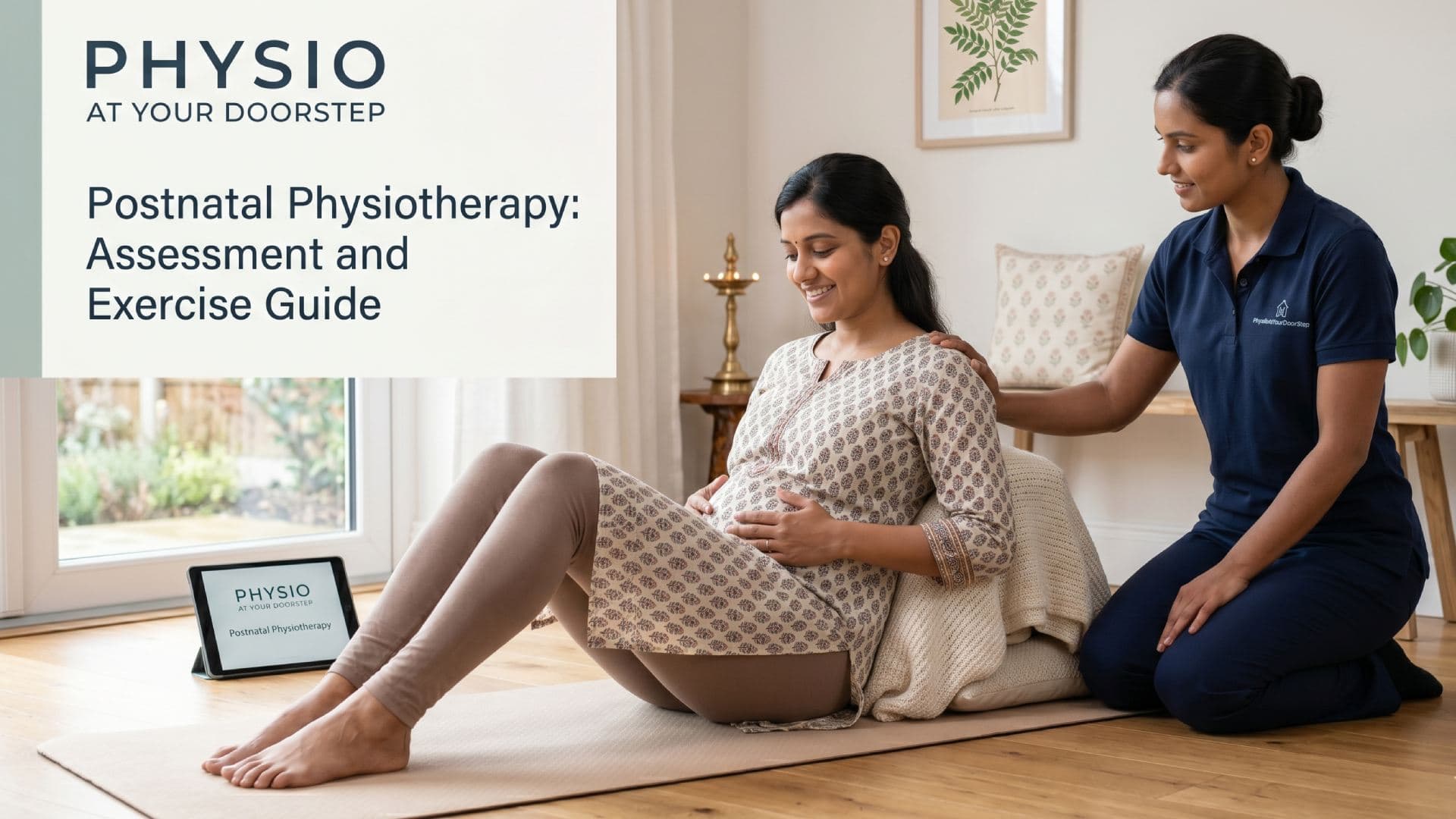
Postnatal Physiotherapy: Assessment and Exercise Guide
Giving birth is one of the most physically demanding events a body can experience. Yet, the postpartum period often called the “fourth trimester” receives far less clinical attention than pregnancy itself.
Read More
Prenatal Physiotherapy During Pregnancy: Your Complete Guide
Bunions can significantly impact your daily activities, from walking and exercising to simply wearing your favorite shoes. While conservative treatments like orthotics and proper footwear often provide relief, sometimes surgical intervention becomes necessary to restore proper foot function and elim
Read More
Physiotherapy for Pulmonary Hypertension in Pregnancy
Pregnancy brings joy and anticipation, but for women diagnosed with pulmonary hypertension, it also introduces complex medical challenges that require specialized care and management.
Read MoreNeed Professional Help?
Our expert physiotherapists are here to help you recover and stay healthy.