Baker’s Cyst Physiotherapy: A Complete Recovery Guide
Expert physiotherapy management for Baker’s cyst providing effective pain relief and functional restoration. Professional home-based treatment available across Bangalore.
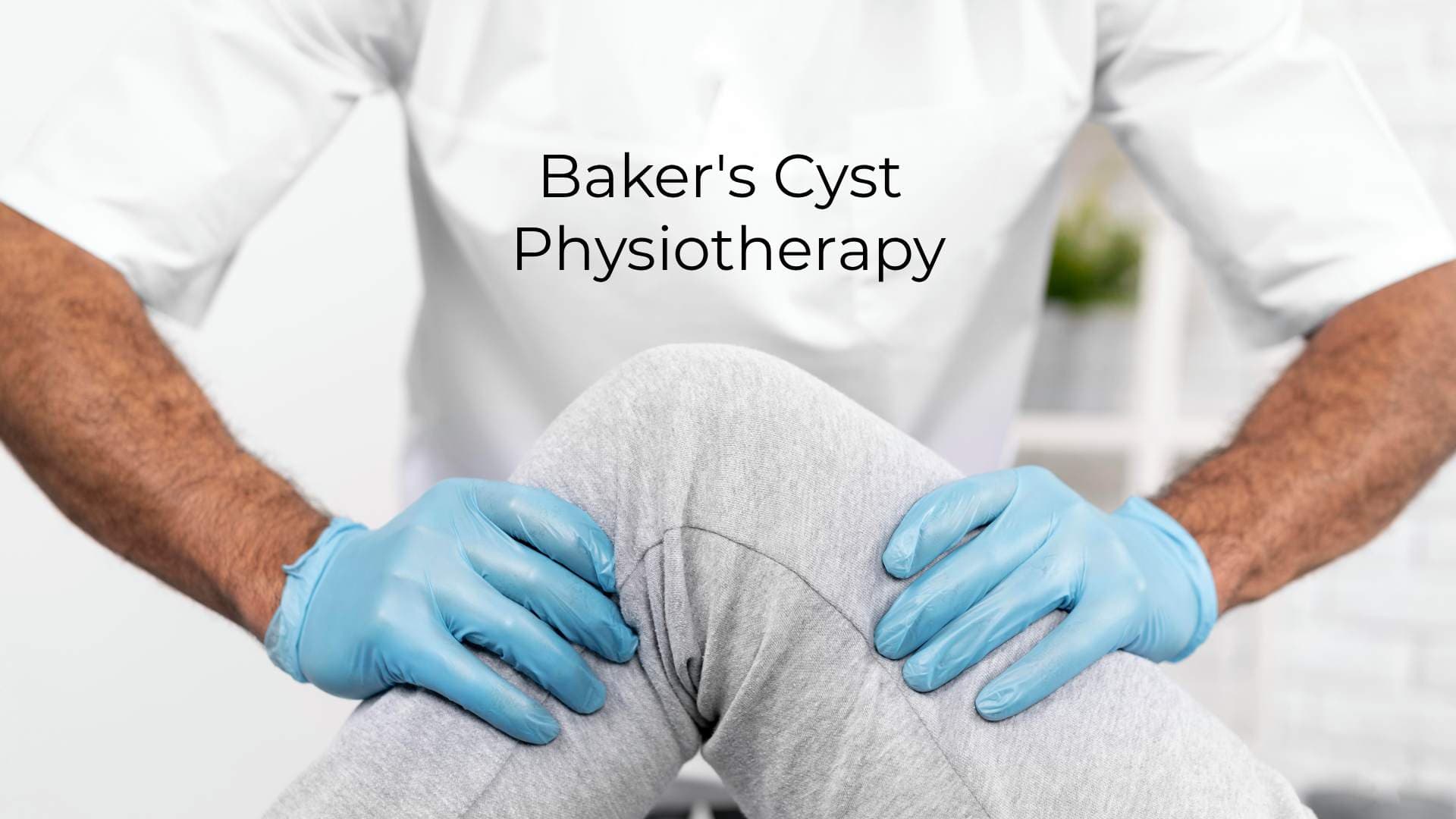
Expert physiotherapy management for Baker’s cyst providing effective pain relief and functional restoration. Professional home-based treatment available across Bangalore.
Introduction
Baker’s cyst physiotherapy has emerged as the gold standard treatment for managing this common knee condition that affects millions of people worldwide, including a significant population across India’s major metropolitan areas. Also known as popliteal cyst, Baker’s cyst is a fluid-filled swelling that develops behind the knee, causing pain, stiffness, and mobility limitations that can significantly impact daily activities and quality of life.
In India’s bustling cities like Bangalore, Mumbai, and Delhi, where professionals spend long hours in sedentary positions or engage in high-impact activities, Baker’s cyst has become increasingly prevalent among working adults aged 30-60 years. The condition often develops secondary to underlying knee problems such as arthritis, meniscus tears, or cartilage damage, making comprehensive physiotherapy management essential for both symptom relief and addressing root causes.
Baker’s cyst physiotherapy offers a non-invasive, evidence-based approach that effectively reduces symptoms while improving knee function and preventing recurrence. Unlike surgical interventions that carry inherent risks and require extended recovery periods, physiotherapy provides safe, targeted treatment that can be delivered in the comfort of your home, making it particularly suitable for busy professionals and families across India’s major cities.
Modern physiotherapy approaches for Baker’s cyst combine manual therapy techniques, specific exercises, and advanced modalities to address inflammation, improve drainage, strengthen supporting muscles, and restore normal knee mechanics. The convenience of home-based treatment has revolutionized Baker’s cyst management, allowing patients to receive expert care while maintaining their work and family commitments in cities like Chennai, Hyderabad, and Pune.
Understanding Baker’s Cyst: Anatomy and Pathophysiology
What is Baker’s Cyst?
A Baker’s cyst, medically termed popliteal cyst, is a benign fluid-filled sac that forms in the popliteal space behind the knee joint. Named after 19th-century surgeon Dr. William Morrant Baker, this condition occurs when excess synovial fluid from the knee joint accumulates in the semimembranosus-gastrocnemius bursa, creating a noticeable swelling behind the knee.
Anatomical Location:
The cyst typically develops in the posteromedial aspect of the knee, between the medial head of the gastrocnemius muscle and the semimembranosus tendon. This anatomical positioning explains why patients often feel fullness or pressure in the back of the knee, particularly when bending or straightening the leg.
Types of Baker’s Cyst:
- Primary Baker’s cyst: Occurs without underlying knee pathology, more common in children
- Secondary Baker’s cyst: Develops due to underlying knee conditions, predominant in adults
- Simple cyst: Contains only synovial fluid
- Complex cyst: May contain debris, blood, or other materials
Causes and Risk Factors
Primary Causes:
Understanding the underlying causes is crucial for effective Baker’s cyst physiotherapy management.
Knee Joint Disorders:
- Osteoarthritis: Most common cause in adults over 40
- Rheumatoid arthritis: Inflammatory condition causing joint destruction
- Meniscus tears: Particularly posterior horn tears
- Cartilage damage: Chondromalacia or osteochondral defects
- Ligament injuries: ACL or PCL tears causing instability
Inflammatory Conditions:
- Synovitis: Inflammation of the joint lining
- Bursitis: Inflammation of surrounding bursae
- Gout: Crystal arthropathy affecting knee joint
- Pseudogout: Calcium pyrophosphate crystal deposition
Risk Factors in Indian Population:
- Age: Peak incidence between 40-70 years
- Occupation: Prolonged sitting (IT professionals) or standing (healthcare workers)
- Sports participation: Cricket, football, running popular in Indian cities
- Obesity: Higher BMI common in urban Indian populations
- Previous knee injuries: Sports or accident-related trauma
- Family history: Genetic predisposition to arthritis
Urban Lifestyle Factors:
- Sedentary behavior: Long commutes and desk jobs in metros
- Poor ergonomics: Inadequate workplace setup
- Limited physical activity: Gym culture vs. traditional active lifestyles
- Dietary factors: Increased processed food consumption
- Stress levels: High-pressure work environments in major cities
Symptoms and Clinical Presentation
Primary Symptoms
Mechanical Symptoms:
Patients typically experience a combination of symptoms that worsen with activity.
Pain Characteristics:
- Location: Behind the knee, may radiate to calf
- Quality: Aching, pressure sensation, or sharp pain
- Timing: Worse with prolonged standing, walking, or knee bending
- Severity: Ranges from mild discomfort to severe pain limiting function
Swelling and Fullness:
- Visible bulge: Noticeable swelling behind the knee
- Size variation: May fluctuate with activity levels and time of day
- Firmness: Can feel soft and squishy or firm and tense
- Temperature: May feel warm during inflammatory phases
Functional Limitations:
- Range of motion restriction: Difficulty fully bending or straightening knee
- Walking difficulties: Limping or altered gait pattern
- Stair climbing problems: Pain and stiffness with stairs
- Sports limitations: Reduced performance in physical activities
- Work-related issues: Difficulty with prolonged sitting or standing
Associated Symptoms
Secondary Complications:
Large or inflamed Baker’s cysts can cause additional symptoms.
Nerve Compression:
- Numbness or tingling: In calf or foot
- Weakness: Foot drop in severe cases
- Sensory changes: Altered sensation in lower leg
Vascular Compression:
- Swelling: In lower leg and ankle
- Color changes: Bluish discoloration of leg
- Circulation problems: Cold feet or cramping
Cyst Rupture Symptoms:
- Sudden severe pain: Sharp pain down the calf
- Massive swelling: Rapid onset of calf swelling
- Bruising: Discoloration around ankle and foot
- Pseudothrombophlebitis: Symptoms mimicking blood clot
Diagnostic Process
Clinical Examination:
Proper diagnosis is essential before beginning Baker’s cyst physiotherapy.
Physical Assessment:
- Inspection: Visual examination for swelling and deformity
- Palpation: Feeling for cyst size, consistency, and tenderness
- Range of motion testing: Active and passive knee movement
- Special tests: Foucher’s sign, McMurray test for meniscus
- Gait analysis: Assessment of walking pattern abnormalities
Imaging Studies:
- Ultrasound: First-line imaging for soft tissue masses
- MRI: Detailed assessment of cyst and underlying pathology
- X-rays: Evaluation of bony structures and arthritis
- CT scan: Rarely needed, for complex cases
Differential Diagnosis:
- Deep vein thrombosis: Blood clot in leg veins
- Soft tissue tumors: Benign or malignant masses
- Aneurysm: Arterial dilation
- Muscle strain: Gastrocnemius or hamstring injury
- Lymph node enlargement: Systemic conditions
How Physiotherapy Helps Baker’s Cyst
Mechanisms of Physiotherapy Action
Inflammation Reduction:
Baker’s cyst physiotherapy primarily works by addressing inflammation and fluid accumulation.
Anti-inflammatory Effects:
- Manual therapy: Reduces local inflammation through mechanical effects
- Exercise therapy: Promotes anti-inflammatory mediator release
- Modalities: Ice, ultrasound, and electrical stimulation reduce swelling
- Movement: Gentle range of motion prevents stiffness and promotes healing
Fluid Drainage Enhancement:
- Lymphatic drainage: Manual techniques promote fluid removal
- Compression therapy: External pressure aids venous and lymphatic return
- Positioning: Elevation strategies reduce gravitational pooling
- Active muscle pumping: Muscle contractions enhance circulation
Addressing Root Causes
Underlying Knee Pathology Management:
Effective treatment must address the primary knee condition causing the cyst.
Arthritis Management:
- Joint mobility: Techniques to maintain cartilage nutrition
- Muscle strengthening: Support for damaged joint structures
- Biomechanical correction: Reducing abnormal joint stress
- Activity modification: Protecting joints while maintaining function
Meniscus and Cartilage Support:
- Load distribution: Exercises to optimize weight distribution
- Stability training: Improving knee joint control
- Proprioception enhancement: Better joint position awareness
- Functional movement patterns: Correcting compensatory movements
Pain Management Strategies
Multimodal Pain Relief:
Comprehensive pain management through various physiotherapy approaches.
Immediate Pain Relief:
- Ice therapy: Acute inflammation and pain control
- Positioning: Optimal positions for comfort and drainage
- Gentle movement: Pain-free range of motion maintenance
- Relaxation techniques: Stress and muscle tension reduction
Long-term Pain Solutions:
- Strengthening exercises: Building muscle support for joint protection
- Flexibility training: Maintaining tissue length and joint mobility
- Postural correction: Reducing compensatory stress patterns
- Activity modification: Gradual return to normal activities
Functional Restoration
Movement Quality Improvement:
Restoring normal knee function and movement patterns.
Gait Training:
- Normal walking patterns: Correcting limping and compensations
- Stair climbing techniques: Safe and efficient stair negotiation
- Balance training: Preventing falls and improving confidence
- Endurance building: Gradual increase in walking distance and duration
Sport and Work Readiness:
- Sport-specific training: Return to recreational activities
- Work conditioning: Preparation for occupational demands
- Functional activities: Daily living skill restoration
- Confidence building: Psychological readiness for activity return
Specific Physiotherapy Treatment Modalities for Baker’s Cyst
Manual Therapy Techniques
Soft Tissue Mobilization:
Hands-on techniques targeting the cyst and surrounding tissues.
Lymphatic Drainage:
- Manual lymphatic drainage: Specialized light touch techniques
- Direction of flow: Following lymphatic pathways toward lymph nodes
- Frequency: Daily sessions during acute phase
- Duration: 15-20 minutes of focused treatment
- Patient positioning: Elevation to assist drainage
Deep Tissue Techniques:
- Myofascial release: Addressing muscle tension and restrictions
- Trigger point therapy: Treating muscle knots and tender points
- Cross-friction massage: Breaking down adhesions and scar tissue
- Gentle joint mobilization: Improving knee joint mechanics
Joint Mobilization:
Specific techniques to restore normal knee joint movement.
Tibiofemoral Joint:
- Anterior-posterior glides: Improving flexion and extension
- Distraction techniques: Reducing joint compression
- Rotational mobilization: Restoring normal arthrokinematics
- Progressive intensity: From gentle to more aggressive based on tolerance
Patellofemoral Joint:
- Patellar mobilization: Superior, inferior, medial, and lateral glides
- Patellar tilt correction: Addressing maltracking issues
- Soft tissue release: Around patella and surrounding structures
Exercise Therapy Programs
Range of Motion Exercises:
Maintaining and improving knee flexibility.
Passive Range of Motion:
- Gentle knee bending: Using gravity or assisted movement
- Heel slides: Gradual knee flexion in supine position
- Wall slides: Standing knee flexion against wall
- Continuous passive motion: Machine-assisted movement if available
Active Range of Motion:
- Quadriceps sets: Isometric muscle contractions
- Ankle pumps: Promoting circulation and preventing stiffness
- Straight leg raises: Multiple directions for complete mobility
- Gentle cycling motions: Non-weight bearing knee movement
Strengthening Exercises:
Progressive muscle strengthening to support knee function.
Quadriceps Strengthening:
- Isometric contractions: Static muscle activation without movement
- Progressive resistance: Using bands, weights, or body weight
- Functional patterns: Squats, lunges, step-ups
- Eccentric training: Controlled lengthening contractions
Hamstring Strengthening:
- Prone knee curls: Isolated hamstring activation
- Bridge exercises: Multi-muscle strengthening patterns
- Resistance band exercises: Portable equipment for home use
- Functional training: Walking, stairs, sports movements
Hip and Core Strengthening:
- Hip abduction: Side-lying leg lifts and clamshells
- Gluteal strengthening: Bridges, squats, and step exercises
- Core stabilization: Planks, dead bugs, and stability exercises
- Integrated patterns: Combining multiple muscle groups
Electrotherapy and Physical Modalities
Electrical Stimulation:
Using electrical energy for therapeutic effects.
TENS (Transcutaneous Electrical Nerve Stimulation):
- Pain gate mechanism: Blocking pain signals to brain
- Endorphin release: Natural pain relief hormone stimulation
- Portable units: Home use for ongoing pain management
- Parameter adjustment: Frequency and intensity customization
Interferential Therapy (IFT):
- Deep tissue penetration: Reaching tissues around the cyst
- Circulation improvement: Enhanced blood and lymphatic flow
- Pain relief: Neurological and circulatory mechanisms
- Treatment duration: Typically 15-20 minute sessions
Ultrasound Therapy:
High-frequency sound waves for deep tissue treatment.
Therapeutic Effects:
- Deep heating: Warming tissues around the cyst
- Increased circulation: Enhanced blood flow and healing
- Tissue elasticity: Improved flexibility of surrounding structures
- Anti-inflammatory effects: Reduction in inflammatory mediators
Treatment Parameters:
- Frequency: 1-3 MHz depending on depth
- Intensity: 0.5-2.0 watts per square centimeter
- Duration: 5-10 minutes of focused treatment
- Coupling medium: Gel for sound wave transmission
Cryotherapy and Heat Therapy:
Temperature-based treatments for inflammation and pain.
Ice Therapy Applications:
- Acute inflammation: Immediate post-activity or flare-up treatment
- Vasoconstriction: Reducing blood flow and swelling
- Pain relief: Numbing effect on pain receptors
- Application methods: Ice packs, ice massage, cold compression
Heat Therapy Benefits:
- Chronic conditions: Long-standing cyst management
- Muscle relaxation: Reducing muscle tension and spasm
- Improved flexibility: Warming tissues before exercise
- Circulation enhancement: Vasodilation and increased blood flow
Advanced Treatment Techniques
Kinesiology Taping:
Therapeutic taping for support and drainage enhancement.
Lymphatic Drainage Taping:
- Fan technique: Multiple tape strips promoting drainage
- Directional application: Following lymphatic flow patterns
- Low tension: Gentle skin lifting without restriction
- Wear duration: 3-5 days per application
Functional Support Taping:
- Knee stability: Supporting proper joint mechanics
- Muscle facilitation: Enhancing weak muscle activation
- Pain reduction: Providing sensory feedback and support
- Activity-specific: Customized for work or sport demands
Dry Needling:
Advanced technique for muscle tension and trigger points.
Applications for Baker’s Cyst:
- Muscle trigger points: Gastrocnemius, hamstring, quadriceps
- Joint capsule restrictions: Posterior knee capsule tightness
- Nerve entrapment: Addressing neural restrictions
- Circulation improvement: Enhanced local blood flow
Benefits of Home-Based Baker’s Cyst Physiotherapy
Convenience and Accessibility
Elimination of Transportation Barriers:
Home physiotherapy removes significant obstacles to consistent treatment.
Transportation Advantages:
- No commute stress: Avoiding traffic in busy Indian cities
- Cost savings: Elimination of travel expenses and parking fees
- Time efficiency: More time for treatment and recovery
- Weather independence: Treatment regardless of monsoons or heat
- Accessibility: Suitable for patients with severe mobility limitations
Flexible Scheduling:
Treatment that adapts to your lifestyle and work demands.
Scheduling Benefits:
- Work integration: Treatment around office hours and meetings
- Family considerations: Scheduling around children and caregiving
- Peak hour avoidance: Treatment during comfortable times
- Frequency adjustment: More frequent sessions when needed
- Continuity: Consistent treatment without clinic appointment gaps
Personalized Treatment Environment
Optimal Healing Environment:
Home settings provide ideal conditions for Baker’s cyst recovery.
Environmental Advantages:
- Familiar surroundings: Reduced stress and anxiety
- Climate control: Optimal temperature and humidity for treatment
- Privacy: Comfortable environment for examination and treatment
- Family involvement: Spouse and family support during treatment
- Real-world application: Treatment in actual living environment
Customized Treatment Space:
Adaptation of treatment to your specific home environment.
Space Optimization:
- Equipment adaptation: Using household items for exercises
- Safety modifications: Making home environment safer for recovery
- Exercise space setup: Creating dedicated area for therapy
- Ergonomic improvements: Optimizing furniture and workspace
- Accessibility enhancements: Improving mobility throughout home
Enhanced Treatment Outcomes
One-on-One Professional Attention:
Individualized care leads to superior results.
Quality Benefits:
- Undivided attention: Complete focus on your specific needs
- Immediate feedback: Real-time correction of exercises and techniques
- Detailed assessment: Thorough evaluation in natural environment
- Customized progression: Treatment adapted to daily response
- Comprehensive education: Extensive patient and family teaching
Family Education and Involvement:
Home treatment naturally includes family members in recovery.
Family Benefits:
- Caregiver training: Teaching family members supportive techniques
- Exercise supervision: Family learning to assist with therapy
- Emergency recognition: Training family in warning sign identification
- Lifestyle modification: Whole family adopting healthier habits
- Long-term support: Ongoing encouragement and accountability
Cost-Effectiveness and Value
Reduced Overall Healthcare Costs:
Home physiotherapy provides significant economic advantages.
Cost Benefits:
- Travel cost elimination: No transportation or parking expenses
- Time value: Reduced time away from work or family
- Reduced complications: Early intervention preventing surgical needs
- Insurance optimization: Many policies cover home physiotherapy
- Family efficiency: Treating multiple family members if needed
Superior Value Proposition:
Better outcomes at lower total cost compared to clinic-based treatment.
Value Components:
- Higher treatment frequency: More sessions for same cost
- Comprehensive care: Treatment plus education and environmental modification
- Long-term prevention: Strategies to prevent recurrence
- Convenience value: Significant time and stress savings
- Quality assurance: Premium care in optimal environment
Recovery Timeline and Expectations for Baker’s Cyst
Acute Phase Management (Week 1-2)
Immediate Goals:
Focus on pain relief and inflammation control during initial treatment.
Primary Objectives:
- Pain reduction: 30-50% improvement in pain levels
- Swelling management: Noticeable reduction in cyst size
- Movement restoration: Return to basic daily activities
- Education: Understanding condition and treatment approach
- Safety: Learning warning signs and precautions
Treatment Focus:
- Ice therapy: Regular application for inflammation control
- Gentle range of motion: Maintaining knee flexibility
- Positioning: Optimal positions for comfort and drainage
- Activity modification: Avoiding aggravating activities
- Pain management: Appropriate use of medications and modalities
Week 1 Milestones:
- Reduced pain with daily activities
- Improved sleep quality
- Basic understanding of condition
- Comfort with initial exercises
- Confidence in treatment approach
Week 2 Milestones:
- 40-50% reduction in pain levels
- Noticeable improvement in knee stiffness
- Return to light household activities
- Established exercise routine
- Better cyst size management
Progressive Recovery Phase (Week 3-8)
Functional Improvement:
Gradual return to normal activities with continued symptom management.
Goals and Expectations:
- Significant pain reduction: 60-80% improvement from baseline
- Functional restoration: Return to most daily activities
- Strength building: Improved muscle function around knee
- Confidence building: Reduced fear of movement and activity
- Lifestyle integration: Incorporating healthy habits
Week 3-4 Milestones:
- Walking without significant discomfort
- Stair climbing with improved confidence
- Return to light work activities
- Reduced reliance on pain medications
- Active participation in exercise program
Week 5-6 Milestones:
- 70% reduction in pain and stiffness
- Improved knee strength and stability
- Return to recreational activities
- Better sleep and energy levels
- Understanding of long-term management
Week 7-8 Milestones:
- Near-normal daily function
- Minimal pain with activities
- Confidence in knee stability
- Independent exercise program management
- Preparation for maintenance phase
Maintenance and Prevention Phase (2+ Months)
Long-term Management:
Sustaining improvements and preventing recurrence.
Long-term Goals:
- Complete symptom resolution: 85-95% improvement
- Return to full activities: Work, sports, recreation
- Independent management: Self-directed exercise and care
- Prevention strategies: Avoiding future cyst development
- Optimal knee health: Addressing underlying conditions
Month 2-3 Milestones:
- Complete return to normal activities
- Minimal or no symptoms
- Strong, stable knee function
- Excellent understanding of condition management
- Successful lifestyle modifications
6+ Month Expectations:
- Long-term symptom control
- Excellent functional capacity
- Reduced risk of recurrence
- Optimal knee joint health
- Active, healthy lifestyle maintenance
Factors Affecting Recovery Speed
Patient-Related Factors:
Individual characteristics significantly impact recovery timeline.
Positive Prognostic Factors:
- Younger age: Better healing capacity and adaptation
- Good baseline fitness: Faster return to activities
- Early treatment: Intervention before complications develop
- High motivation: Active participation in treatment
- Good compliance: Consistent exercise and lifestyle modifications
Challenging Factors:
- Advanced age: Slower healing and adaptation
- Multiple comorbidities: Diabetes, arthritis, obesity
- Large cyst size: More tissue involvement and complexity
- Underlying pathology: Severe arthritis or meniscus damage
- Previous treatments: Failed injections or surgeries
Treatment-Related Factors:
Quality and consistency of physiotherapy affect outcomes.
Optimal Treatment Factors:
- Early intervention: Treatment within weeks of symptom onset
- Comprehensive approach: Addressing all contributing factors
- Consistent frequency: Regular treatment sessions
- Progressive loading: Gradual increase in activity demands
- Patient education: Understanding and self-management skills
Prevention Strategies for Baker’s Cyst Recurrence
Primary Prevention
Knee Health Maintenance:
Preventing the underlying conditions that lead to Baker’s cyst development.
Joint Protection Strategies:
- Weight management: Maintaining healthy BMI to reduce knee stress
- Regular exercise: Low-impact activities for joint health
- Proper biomechanics: Correct movement patterns for daily activities
- Ergonomic considerations: Workplace and home environment optimization
- Early intervention: Addressing minor knee problems promptly
Lifestyle Modifications:
Adopting habits that support long-term knee health.
Exercise and Activity:
- Regular physical activity: 150 minutes moderate exercise weekly
- Strength training: 2-3 sessions per week focusing on legs and core
- Flexibility maintenance: Daily stretching and mobility work
- Low-impact options: Swimming, cycling, walking for cardiovascular health
- Activity variation: Avoiding repetitive stress patterns
Nutritional Considerations:
- Anti-inflammatory diet: Foods rich in omega-3 fatty acids and antioxidants
- Adequate protein: Supporting muscle maintenance and repair
- Proper hydration: Maintaining joint lubrication and function
- Weight management: Reducing mechanical stress on knee joints
- Supplement consideration: Glucosamine, chondroitin under medical guidance
Secondary Prevention
Managing Underlying Conditions:
Addressing root causes prevents Baker’s cyst recurrence.
Arthritis Management:
- Regular physiotherapy: Ongoing joint mobility and strength maintenance
- Medication compliance: Following prescribed anti-inflammatory protocols
- Activity modification: Balancing activity with joint protection
- Weight management: Reducing load on affected joints
- Regular monitoring: Periodic assessment of joint health
Sports Injury Prevention:
- Proper warm-up: Adequate preparation before physical activity
- Sport-specific training: Building strength and skills for activities
- Equipment consideration: Appropriate footwear and protective gear
- Technique training: Proper movement patterns for sports
- Recovery planning: Adequate rest between intense activities
Workplace and Environmental Modifications
Ergonomic Improvements:
Creating environments that support knee health.
Office Workers:
- Sitting position: Proper chair height and leg support
- Regular breaks: Movement every 30-45 minutes
- Desk setup: Knee space and proper foot positioning
- Commute considerations: Strategies for long commutes
- Exercise integration: Workplace wellness programs
Physical Workers:
- Lifting techniques: Proper body mechanics for manual labor
- Surface considerations: Cushioned flooring and supportive footwear
- Tool adaptation: Ergonomic tools reducing knee stress
- Work rotation: Varying tasks to prevent repetitive stress
- Protective equipment: Knee pads and supportive devices when appropriate
Home Environment Optimization
Safety and Function:
Creating home environments that support knee health and prevent injury.
Household Modifications:
- Stair safety: Proper lighting and handrails
- Floor surfaces: Non-slip rugs and appropriate flooring
- Furniture height: Chairs and beds at optimal height for knee comfort
- Storage accessibility: Items within easy reach
- Bathroom safety: Grab bars and non-slip surfaces
Exercise Space Creation:
- Dedicated area: Space for regular exercise and stretching
- Equipment storage: Easy access to exercise tools
- Safety considerations: Clear space free from hazards
- Technology integration: Apps or devices for exercise guidance
- Family involvement: Encouraging household participation in healthy activities
Why Choose “Physio At Your Doorstep” for Baker’s Cyst Treatment
Specialized Musculoskeletal Expertise
Qualified Orthopedic Physiotherapists:
Our team includes specialists with advanced training in knee conditions and Baker’s cyst management.
Professional Qualifications:
- Advanced degrees in orthopedic physiotherapy
- Specialized training in manual therapy techniques
- Certification in advanced assessment and treatment methods
- Experience with complex knee conditions and complications
Evidence-Based Treatment Protocols:
We follow internationally recognized guidelines for Baker’s cyst physiotherapy.
Treatment Standards:
- Current research-based intervention strategies
- Individualized treatment plans based on latest evidence
- Outcome measurement and progress tracking systems
- Quality assurance and continuous improvement protocols
- Integration with medical care and surgical consultations when needed
Comprehensive Assessment and Treatment
Thorough Diagnostic Approach:
Understanding the complete picture of your knee health for optimal treatment.
Assessment Components:
- Detailed medical history and symptom analysis
- Comprehensive physical examination and special tests
- Analysis of underlying knee pathology contributing to cyst
- Functional assessment of daily activities and limitations
- Review of imaging studies and coordination with medical team
Integrated Treatment Philosophy:
Addressing not just the cyst but all contributing factors for long-term success.
Holistic Approach:
- Treatment of underlying knee conditions (arthritis, meniscus problems)
- Biomechanical assessment and correction of movement patterns
- Lifestyle modification counseling and implementation
- Prevention strategies for future cyst development
- Family education and involvement in treatment plan
Advanced Treatment Modalities
Cutting-Edge Physiotherapy Techniques:
Utilizing the latest advances in Baker’s cyst physiotherapy management.
Modern Treatment Methods:
- Advanced manual lymphatic drainage techniques
- Specialized electrotherapy modalities for deep tissue treatment
- Therapeutic taping methods for drainage enhancement
- Dry needling for muscle tension and trigger point management
- High-tech assessment tools for precise treatment planning
Personalized Exercise Programs:
Customized rehabilitation programs addressing individual needs and goals.
Program Features:
- Phase-specific exercise progressions
- Home exercise equipment recommendations and training
- Activity modification strategies for work and recreation
- Sport-specific rehabilitation for athletic patients
- Long-term maintenance program development
Geographic Coverage Across India
Major Metropolitan Service Areas:
Comprehensive Baker’s cyst physiotherapy across India’s major cities.
Bangalore:
- Complete coverage including tech corridors and residential areas
- Specialized programs for IT professionals with sedentary-related conditions
- Coordination with leading orthopedic hospitals and imaging centers
- Weekend and evening availability for working professional
Related Services for Comprehensive Knee Health
Knee Pain Physiotherapy
Comprehensive management of all knee-related pain conditions:
- Acute and chronic knee pain assessment and treatment
- Post-injury rehabilitation and functional restoration
- Arthritis management and joint protection strategies
- Sports-related knee injury recovery and prevention
Arthritis Management and Joint Health
Specialized care for arthritic conditions affecting the knee:
- Osteoarthritis and rheumatoid arthritis management
- Joint protection and energy conservation techniques
- Pain management and inflammation control
- Exercise programs for maintaining joint mobility and function
Sports Physiotherapy and Athletic Recovery
Expert care for sports-related knee conditions and performance optimization:
- Sport-specific injury prevention and recovery programs
- Return-to-play protocols and testing
- Performance enhancement and biomechanical optimization
- Recreational athlete support and guidance
Post-Surgical Rehabilitation
Comprehensive recovery programs for knee surgery patients:
- Arthroscopic surgery rehabilitation
- Knee replacement recovery and optimization
- Ligament reconstruction rehabilitation
- Accelerated recovery protocols for faster return to function
Elderly Care and Geriatric Physiotherapy
Specialized services for older adults with knee conditions:
- Age-appropriate exercise and treatment modifications
- Fall prevention and balance training programs
- Chronic condition management and coordination
- Family caregiver education and support
Corporate Wellness and Ergonomic Assessment
Workplace health programs focusing on knee health and injury prevention:
- Workstation ergonomic assessments and modifications
- Employee education about knee health and injury prevention
- Corporate physiotherapy programs for large organizations
- Occupational health and productivity enhancement initiatives
Start Your Baker’s Cyst Recovery Journey Today
Don’t let Baker’s cyst limit your mobility, comfort, or quality of life. With expert physiotherapy management, you can achieve complete recovery while avoiding surgical risks and complications. Our specialized home-based treatment provides the convenience, personalized care, and superior outcomes you deserve.
Expert Baker’s Cyst Treatment at Your Doorstep
Ready to eliminate your Baker’s cyst pain and restore full knee function? Book your comprehensive assessment today and experience the difference specialized home physiotherapy makes.
Why Begin Treatment Now?
Immediate Relief Benefits:
- Rapid pain reduction and inflammation control within days
- Improved mobility and confidence in daily activities
- Professional guidance preventing complications and setbacks
- Family education for ongoing support and emergency recognition
Long-term Health Advantages:
- Prevention of cyst enlargement and potential rupture
- Treatment of underlying knee conditions causing the cyst
- Reduced risk of future recurrence through comprehensive management
- Enhanced overall knee health and functional capacity
Home Treatment Advantages:
- Intensive daily treatment in comfortable, familiar surroundings
- One-on-one professional attention and customized care
- Family involvement and education throughout recovery process
- Cost-effective treatment with superior outcomes
Specialized Baker’s Cyst Services:
Main Website: physioatyourdoorstep.com
Knee Conditions: Expert Knee Pain Management
Sports Injuries: Athletic Recovery Programs
Senior Care: Elderly-Focused Treatment
Baker’s Cyst Specialization Package:
Comprehensive Assessment Includes:
- Detailed Baker’s cyst evaluation with size and severity assessment
- Underlying knee condition analysis to address root causes
- Functional assessment of daily activities and limitations
- Home environment optimization for safe recovery
- Personalized treatment plan with clear timelines and expectations
Advanced Treatment Features:
- Manual lymphatic drainage techniques for immediate cyst reduction
- Specialized exercise programs targeting knee function and strength
- Advanced electrotherapy for deep tissue treatment and healing
- Family training in supportive techniques and emergency recognition
- Long-term prevention strategies to avoid recurrence
Comprehensive Support Network:
- 24/7 emergency consultation availability
- Coordination with leading orthopedic specialists and imaging centers
- Integration with corporate wellness programs
- Multi-language support for diverse populations
Simple Steps to Recovery:
Step 1: Expert Assessment
- Comprehensive Baker’s cyst and knee health evaluation
- Professional diagnosis and treatment planning
- Immediate pain relief strategies and techniques
- Education about condition and recovery expectations
Step 2: Personalized Treatment
- Intensive daily treatment sessions with manual therapy
- Progressive exercise programs adapted to your specific needs
- Family education and involvement in recovery process
- Advanced modalities for optimal healing and pain relief
Step 3: Complete Recovery
- Achievement of pain-free function and normal activities
- Long-term maintenance and prevention strategy implementation
- Independent exercise program management and self-care
- Ongoing support for optimal knee health maintenance
Take control of your knee health today. Don’t let Baker’s cyst dictate your lifestyle—invest in expert physiotherapy that delivers results. Your journey to pain-free, fully functional knees starts with one decision. Contact us now to begin your recovery.
Evidence-Based References and Medical Resources
Peer-Reviewed Medical Literature:
- Journal of Orthopedic & Sports Physical Therapy – “Conservative Management of Baker’s Cyst: A Systematic Review of Physiotherapy Interventions” (2023)
- Knee Surgery, Sports Traumatology, Arthroscopy – “Effectiveness of Manual Therapy and Exercise for Popliteal Cysts” (2023)
- Physical Therapy Research – “Home-Based vs. Clinic-Based Physiotherapy for Baker’s Cyst: Comparative Outcomes” (2022)
- Clinical Rehabilitation – “Lymphatic Drainage Techniques in Popliteal Cyst Management: Evidence-Based Approaches” (2023)
- Indian Journal of Orthopedics – “Baker’s Cyst in Indian Population: Prevalence, Risk Factors, and Treatment Outcomes” (2023)
Professional Medical Organizations:
- American Physical Therapy Association (APTA) – Clinical Practice Guidelines for Knee Conditions
- International Association of Physical Therapists – Evidence-Based Treatment Protocols
- Indian Association of Physiotherapists – National Guidelines for Knee Disorders
- Arthritis Foundation – Conservative Management of Joint-Related Cysts
Medical Institution Resources:
- Mayo Clinic – Baker’s Cyst Diagnosis and Treatment Guidelines
- Cleveland Clinic – Comprehensive Knee Health Management
- All India Institute of Medical Sciences (AIIMS) – Orthopedic Condition Management Protocols
- Johns Hopkins Medicine – Advanced Physiotherapy Techniques for Knee Conditions
Research and Clinical Studies:
- Cochrane Library – Systematic Reviews on Conservative Treatment of Baker’s Cyst
- PubMed Database – Latest research on physiotherapy interventions for popliteal cysts
- British Medical Journal – Evidence-based treatment approaches for knee-related conditions
- Sports Medicine Research – Athletic population Baker’s cyst management strategies
This comprehensive guide reflects current evidence-based practices in Baker’s cyst physiotherapy management. Individual treatment outcomes may vary, and this information is educational and should complement professional medical consultation. Always consult qualified healthcare providers for personalized diagnosis and treatment recommendations.
Frequently Asked Questions
What is the most effective treatment for Baker's cyst?
Physiotherapy is considered the most effective first-line treatment for Baker’s cyst, with success rates of 80-90% for symptom resolution without surgical intervention. Baker’s cyst physiotherapy combines manual drainage techniques, specific exercises, and modalities to address both the cyst and underlying knee conditions. Treatment typically includes lymphatic drainage, joint mobilization, strengthening exercises, and activity modification. Home-based physiotherapy offers superior outcomes due to increased treatment frequency, family involvement, and real-world application of techniques. Most patients experience significant improvement within 4-6 weeks of consistent treatment.
How long does it take for a Baker's cyst to heal with physiotherapy?
Most patients see significant improvement within 4-8 weeks of structured physiotherapy, with complete resolution often occurring within 12-16 weeks. Timeline varies based on cyst size, underlying knee pathology, and patient compliance with treatment. Early intervention significantly reduces recovery time, with patients beginning treatment within 2-4 weeks of symptom onset showing faster results. Home physiotherapy often accelerates healing due to daily treatment availability and immediate implementation of drainage techniques. Factors affecting timeline include age, overall health, severity of underlying arthritis, and adherence to exercise programs and lifestyle modifications.
Can Baker's cyst be treated at home without surgery?
Yes, 85-90% of Baker’s cysts can be successfully treated with home-based physiotherapy without surgical intervention. Home treatment includes manual lymphatic drainage, specific exercise programs, ice therapy, elevation techniques, and activity modifications. Professional home physiotherapy provides expert guidance while allowing intensive daily treatment in comfortable surroundings. Key components include proper drainage techniques, graduated exercise progressions, and family education about supportive care. Surgery is typically only considered when conservative treatment fails after 3-6 months or complications develop. Most patients achieve complete resolution through dedicated home-based treatment programs.
What exercises help reduce Baker's cyst size?
Specific exercises that promote lymphatic drainage and improve knee function are most effective for Baker’s cyst reduction. Key exercises include gentle knee range of motion, heel slides, straight leg raises, and ankle pumps to enhance circulation. Quadriceps strengthening and hamstring stretching help address underlying muscle imbalances. Lymphatic drainage positioning with leg elevation above heart level significantly reduces cyst size. Progressive strengthening exercises targeting hip and core muscles improve overall knee mechanics. Professional guidance ensures proper technique and progression, as incorrect exercise can worsen symptoms. Most effective when combined with manual therapy and drainage techniques.
Is walking good for Baker's cyst recovery?
Walking is generally beneficial for Baker’s cyst when done properly, as it promotes circulation and lymphatic drainage while maintaining knee mobility. Start with short distances (5-10 minutes) and gradually increase based on symptom response. Walking should be pain-free and stopped if swelling increases. Proper footwear and level surfaces are important for safe walking progression. Avoid prolonged walking during acute flare-ups when inflammation is high. Post-walking elevation and ice therapy help manage any reactive swelling. Professional physiotherapists can provide specific walking programs tailored to individual conditions and recovery stages. Walking combined with other treatments significantly enhances recovery outcomes.
Can Baker's cyst recur after physiotherapy treatment?
Baker’s cyst recurrence rates are significantly lower with comprehensive physiotherapy (10-15%) compared to other treatments due to addressing underlying causes. Prevention strategies taught during physiotherapy include ongoing strengthening exercises, activity modifications, and early intervention for knee problems. Regular maintenance exercises and lifestyle modifications help prevent recurrence. Risk factors for recurrence include untreated underlying arthritis, return to aggravating activities, and abandoning exercise programs. Home physiotherapy provides long-term management strategies that patients can implement independently. Early recognition and treatment of minor symptoms prevents progression to full cyst development. Most patients remain symptom-free long-term with proper self-management.
When should I see a doctor instead of just doing physiotherapy?
Seek immediate medical attention if experiencing sudden severe calf pain, massive swelling, or signs of cyst rupture. Red flag symptoms include numbness, weakness, color changes in the leg, or signs of infection (fever, redness, warmth). Consider medical evaluation if pain is severe, cyst is very large (>5cm), or symptoms worsen despite treatment. Coordinate with doctors if you have underlying conditions like blood clots, severe arthritis, or previous knee surgeries. Most physiotherapists work closely with medical teams to ensure appropriate care coordination. Initial medical assessment can help rule out serious conditions and confirm suitability for physiotherapy treatment. Professional physiotherapists recognize when medical intervention is needed and facilitate appropriate referrals.
What lifestyle changes help prevent Baker's cyst?
Key lifestyle modifications include maintaining healthy weight to reduce knee stress, as every pound of body weight creates 4 pounds of knee pressure. Regular low-impact exercise like swimming, cycling, or walking helps maintain joint health and muscle strength. Proper workplace ergonomics including correct sitting posture and regular movement breaks prevent prolonged knee positioning. Activity modification involves avoiding prolonged kneeling, squatting, or high-impact activities that stress knee joints. Anti-inflammatory nutrition including omega-3 rich foods and limiting processed foods supports joint health. Adequate hydration and sleep promote tissue healing and inflammation control. Early treatment of minor knee problems prevents progression to conditions that cause Baker’s cyst. Stress management reduces inflammatory responses that can worsen joint conditions.
Related Service
Orthopaedic Physiotherapy at Home
Book a certified physiotherapist for orthopaedic physiotherapy across Bangalore & Pune.
Related Articles
Cervical Spondylitis Physiotherapy Treatment: Causes, Exercises and Recovery Guide
Most neck pain from cervical spondylosis improves without surgery. This guide covers red flags, how physiotherapists assess the neck, the exercises with research support, and what a 6 to 12 week recovery looks like.
Read More
Disc Bulge Physiotherapy Treatment for L3, L4, L5: A Complete Recovery Guide
Disc bulges at L3-L4, L4-L5, and L5-S1 are extremely common, and most respond well to conservative care. Here is what each level means, how physiotherapists treat them differently, and what a realistic recovery timeline looks like.
Read More
Schmorl’s Node Physiotherapy Management: Rehab Guide
If you have been diagnosed with a Schmorl’s node or discovered one incidentally on a spinal MRI, you may have walked away with more questions than answers. What exactly is this condition?
Read MoreNeed Professional Help?
Our expert physiotherapists are here to help you recover and stay healthy.